






















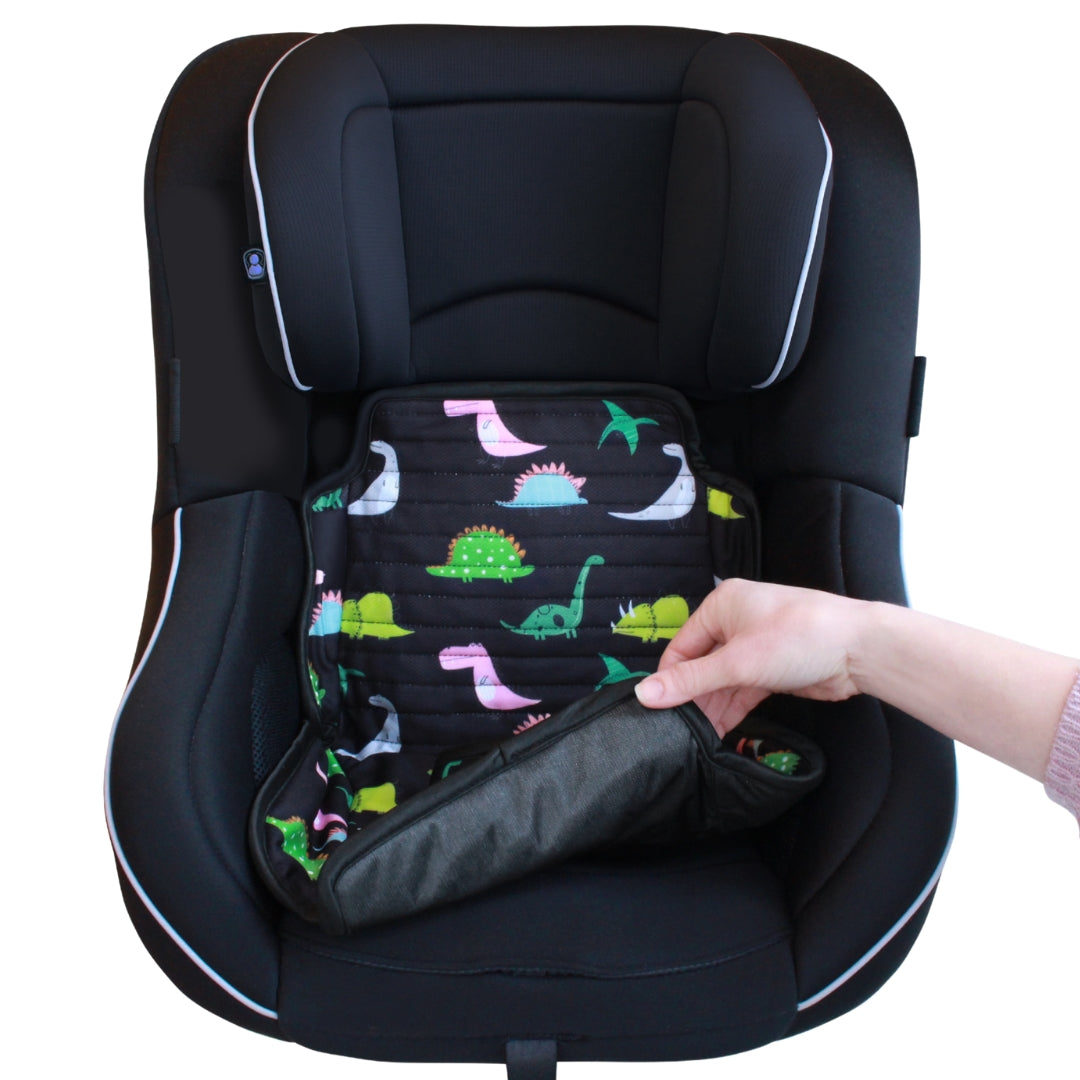
Nocturnal enuresis (adult bedwetting), can be a difficult and emotional experience, particularly for adults who have previously had control over their bladder at night.
While stress does not necessarily cause bedwetting on its own, periods of increased pressure, anxiety, poor sleep or major life changes can affect the systems involved in sleep and bladder control. For some people, these changes may coincide with or contribute to nighttime accidents.
The relationship between stress, sleep and bladder control can be complex, but understanding it may help reduce some of the worry and shame surrounding adult bedwetting.
A Common Connection
Stress can have a significant effect on sleep. When you are worried or under pressure, it can be harder to switch off, fall asleep or stay asleep throughout the night.
This is not unusual. Research from the Mental Health Foundation found that the average UK adult gets just three days of good quality sleep each week. In the same survey of 2,000 UK adults, 34% said worry and stress reduced their control over their sleep, while 38% said poor sleep negatively affected their mental health at least once a week.
Our own survey of people living with incontinence or caring for someone who does found that 88% said incontinence had affected their sleep. For someone already experiencing bladder problems, disrupted sleep can add another layer of difficulty.This highlights how sleep and incontinence can become closely connected. An accident can interrupt sleep, while ongoing worry about another accident can make it harder to relax in the first place.
Can Stress Really Cause Bedwetting?
Stress does not simply “turn off” bladder control. Your bladder and brain are constantly communicating, including while you sleep.
During the night, your brain needs to respond to signals from a filling bladder and either wake you up or allow you to continue sleeping without needing to empty your bladder.
Stress and anxiety can affect some of the processes involved in this by influencing:
-
Sleep quality and sleep patterns
-
Hormones involved in urine production
-
Muscle tension, including around the pelvic floor
-
How the brain responds to bodily signals
-
Normal eating, drinking and toileting routines
For some adults, these changes may make nighttime bladder symptoms more noticeable.
However, it is important not to assume that stress is the cause of adult bedwetting. Bedwetting that starts in adulthood can have a number of possible causes, which is why persistent or unexplained symptoms should be discussed with your GP.
Everyday Stress Can Affect Sleep Too
Stress does not only come from major life events. Everyday pressures can also affect how well you sleep and how your body copes with prolonged periods of pressure.
Work-related stress
Deadlines, increased responsibility, workplace pressure and burnout can all make it difficult to switch off at the end of the day.
HSE figures estimate that 964,000 workers in Great Britain experienced work related stress, depression or anxiety in 2024/25. These conditions accounted for 52% of all work related ill health and resulted in an estimated 22.1 million working days lost.
If work related stress is affecting your sleep, it may also affect your energy levels, routines and overall wellbeing.
Major life changes
Significant changes can place additional emotional and practical pressure on the body. These might include:
-
Moving house
-
Starting a new job
-
Becoming a parent/grandparent
-
Relationship changes
-
Caring for someone else
-
Bereavement or other major personal changes
Even positive changes can affect sleep, routines and stress levels.
Emotional stress or anxiety
Periods of worry, uncertainty or emotional strain can affect sleep and wellbeing. If you are also experiencing bedwetting, worrying about another accident can add another layer of stress.
Illness or changes to your routine
Being unwell, recovering from an operation or experiencing changes to your usual daily routine can also affect sleep and nighttime bladder habits.
The Wider Impact of Incontinence
The effects of incontinence can extend far beyond bladder control.
Our survey found that:
-
88% said incontinence had affected their sleep
-
74% said it had affected their social life
-
56% said it had affected their physical health
-
53% said it had affected their mental health
-
39% said it had affected their finances
-
38% said it had affected their relationships
-
16% said it had affected their work
These findings show that incontinence can be a round the clock issue, rather than something that only affects a person when they need to use the toilet.
Poor sleep, concerns about accidents and the practical challenges of managing incontinence can all have a knock on effect on confidence, relationships, social activities and everyday life.
Is Stress Related Bedwetting Permanent?
If stress or changes in sleep are contributing to nighttime bladder problems, symptoms may improve when the stressful period passes and sleep and routines become more settled. However, it is important not to assume that stress is the only explanation. We have written another blog on “Can Adult Bedwetting Improve?” which could help further.
Adult bedwetting that starts unexpectedly can have a number of possible causes. Speak to your GP if:
-
Bedwetting starts suddenly
-
It happens regularly
-
You have pain or burning when urinating
-
You notice changes in how often you need to urinate
-
You experience daytime bladder control problems
-
You are unusually thirsty
-
You notice other unexplained changes in your health
They can help investigate the underlying cause and recommend appropriate support.
How to Support Better Sleep
You cannot always remove the source of stress from your life, but there are things you can do to support better sleep and look after your bladder.
Create a calming bedtime routine
Giving yourself time to wind down can help your body and mind transition towards sleep.
You could try:
-
Reducing screen time before bed
-
Reading or listening to calming music
-
Trying breathing or relaxation exercises
-
Going to bed and waking at similar times each day
-
Keeping your bedroom comfortable and relaxing
Look after your bladder habits
Rather than drastically reducing your fluid intake, focus on maintaining healthy habits throughout the day.
Try to:
-
Drink enough fluids during the day
-
Avoid leaving most of your drinking until the evening
-
Be mindful of large amounts of fluid immediately before bed
-
Limit caffeine and alcohol in the evening
-
Go to the toilet before going to sleep
Staying properly hydrated is still important. Restricting fluids too much is not a recommended solution for bedwetting.
Reduce the pressure and embarrassment
Worrying about an accident can add another layer of stress to an already difficult situation.
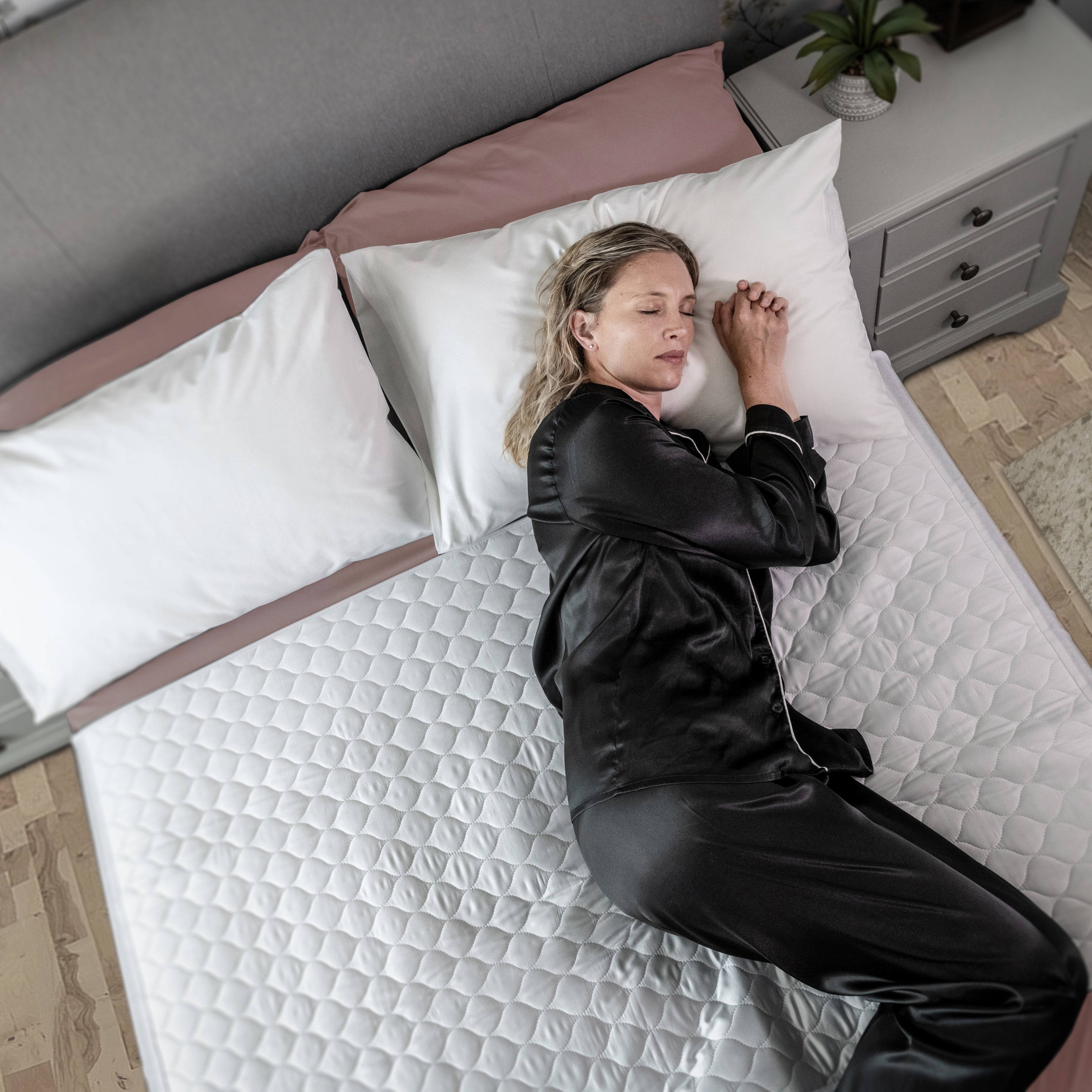
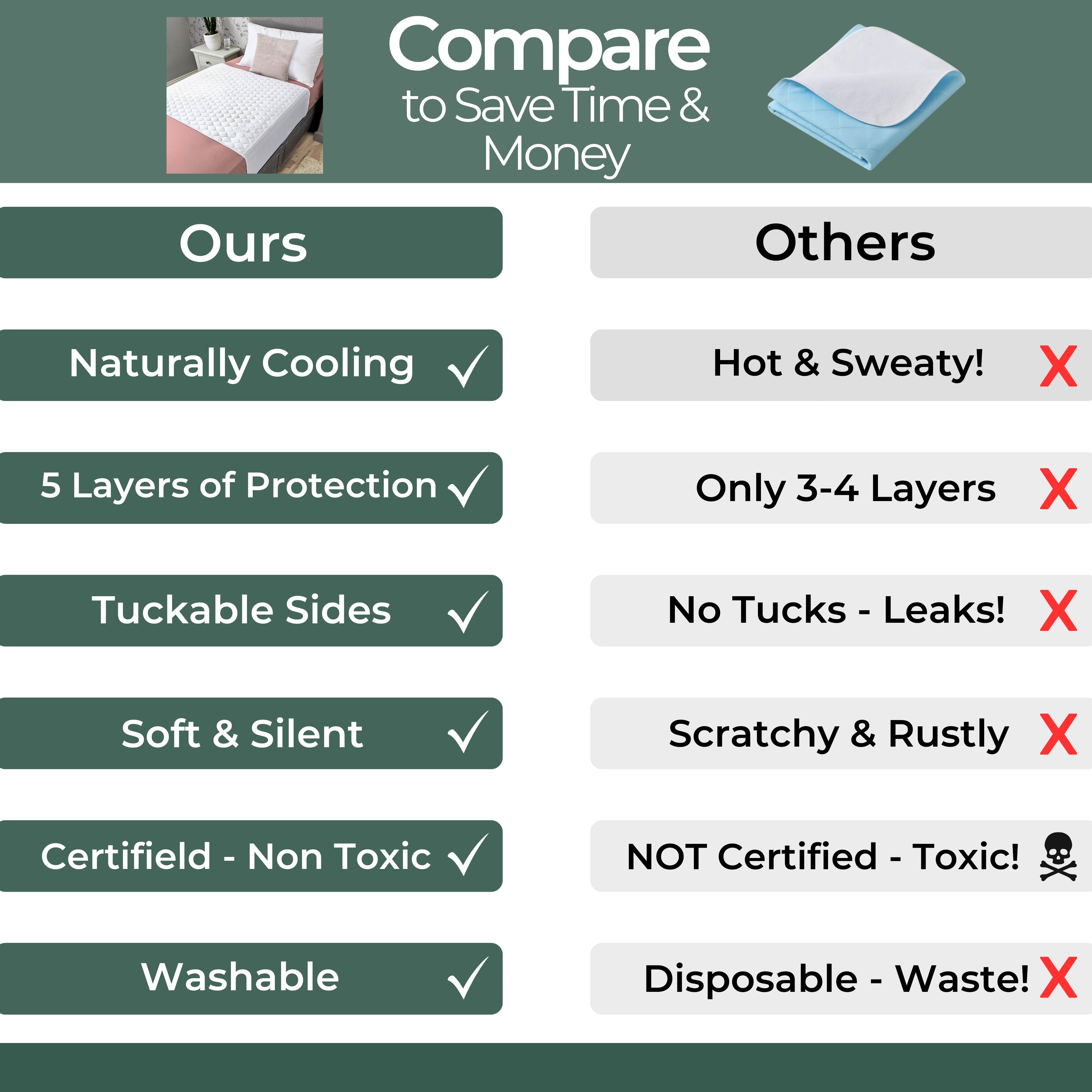
Having practical protection in place, such as a waterproof mattress protector, can help you feel more prepared. Using protection is not admitting defeat. It is simply a practical way to make life easier while you understand what is causing your symptoms or work towards managing them.
You Are Not Alone
Experiencing adult bedwetting or incontinence can feel isolating, particularly when it affects your sleep, confidence or social life.
But both wider UK research and our own survey highlight how closely sleep and emotional wellbeing can be connected to the experience of incontinence.
If stress, anxiety or poor sleep appear to be making your nighttime bladder problems more difficult, try to be kind to yourself. Needing support or protection does not mean you have failed.
Most importantly, you do not have to simply put up with adult bedwetting. If it is new, persistent or affecting your everyday life, speaking to your GP can help you understand what may be causing it and what support is available.
Follow our Instagram page for more helpful tips and advice.