






















Bedwetting is one of those topics that almost no one talks about openly especially when it happens in adulthood. Because it’s so closely associated with childhood, many adults who experience bedwetting carry a heavy sense of shame, embarrassment, or isolation.
If this is something you’re dealing with, let’s start with the most important truth:
“You are not alone, and there is nothing “wrong” with you.”
Millions of adults experience bedwetting (also called adult nocturnal enuresis) for a wide range of reasons. Shame thrives in silence, so we’re here to gently break that silence and support adults with bedwetting no matter what the reason is.
Why Adult Bedwetting Feels So Shameful
For many people, bedwetting is wrapped up in ideas of control, maturity, and independence. Society often teaches us explicitly or implicitly that adults should have complete control over their bodies. When that expectation isn’t met, self-blame can creep in.
These thoughts are common and often sound like an internal critic replaying the same messages, “you should have grown out of this by now”,”others will judge you if they knew”, or “why am I the only person dealing with this”. While these feelings are understandable in a society that equates bodily control with maturity, they are also inaccurate and deeply unfair to yourself.
Bedwetting is not a moral failing, a lack of discipline, or a sign of immaturity. It’s a health related issue, and like many health issues, it’s often invisible.
You’re Far From Alone
Adult bedwetting is more common than most people realise. Bladder & Bowel UK reported that for 1- 2% of children bedwetting continues as they become teenagers and adults. It can also restart at any time in life. It is often associated with stress, illness, or life changes.
People of all ages, genders, and backgrounds are affected. The reason it feels rare is simply because almost no one talks about it, it is seen as a taboo subject. Silence can make a shared experience feel deeply personal and isolating but the reality is that countless adults are navigating the same challenges, often quietly.
Common Causes of Adult Bedwetting
Understanding why bedwetting happens can help reduce self-blame. Some common contributing factors include:
-
Stress and anxiety - The body processes stress in various ways, including during sleep.
-
Sleep disorders - Very deep sleep or disrupted sleep patterns can affect bladder signals.
-
Hormonal changes - Including those related to pregnancy, menopause, or ageing.
-
Medical conditions - Such as urinary tract issues, diabetes, or neurological conditions.
-
Medications - Some medications can affect bladder control or sleep cycles.
In many cases, it’s not caused by a single factor but a combination.
A Mindset Shift
Shame tells us to hide; but reframing how you think about bedwetting can often help. This is a health issue, not a personal flaw, and it does not define your worth. Your value as a person is not connected to bladder control, and you are just as deserving of comfort, dignity, and rest as anyone else. Just as you wouldn’t judge someone for needing glasses, medication, or mobility support, bedwetting deserves the same compassion and normalisation. We have also written an article on how you can support a loved one going through bedwetting. So perhaps it isn’t yourself but someone you care about going through this, we have outlined some tips to help.
Practical Steps That Support Emotional Wellbeing
While medical guidance is important, emotional support matters just as much.
1. Positive Sleep Environment
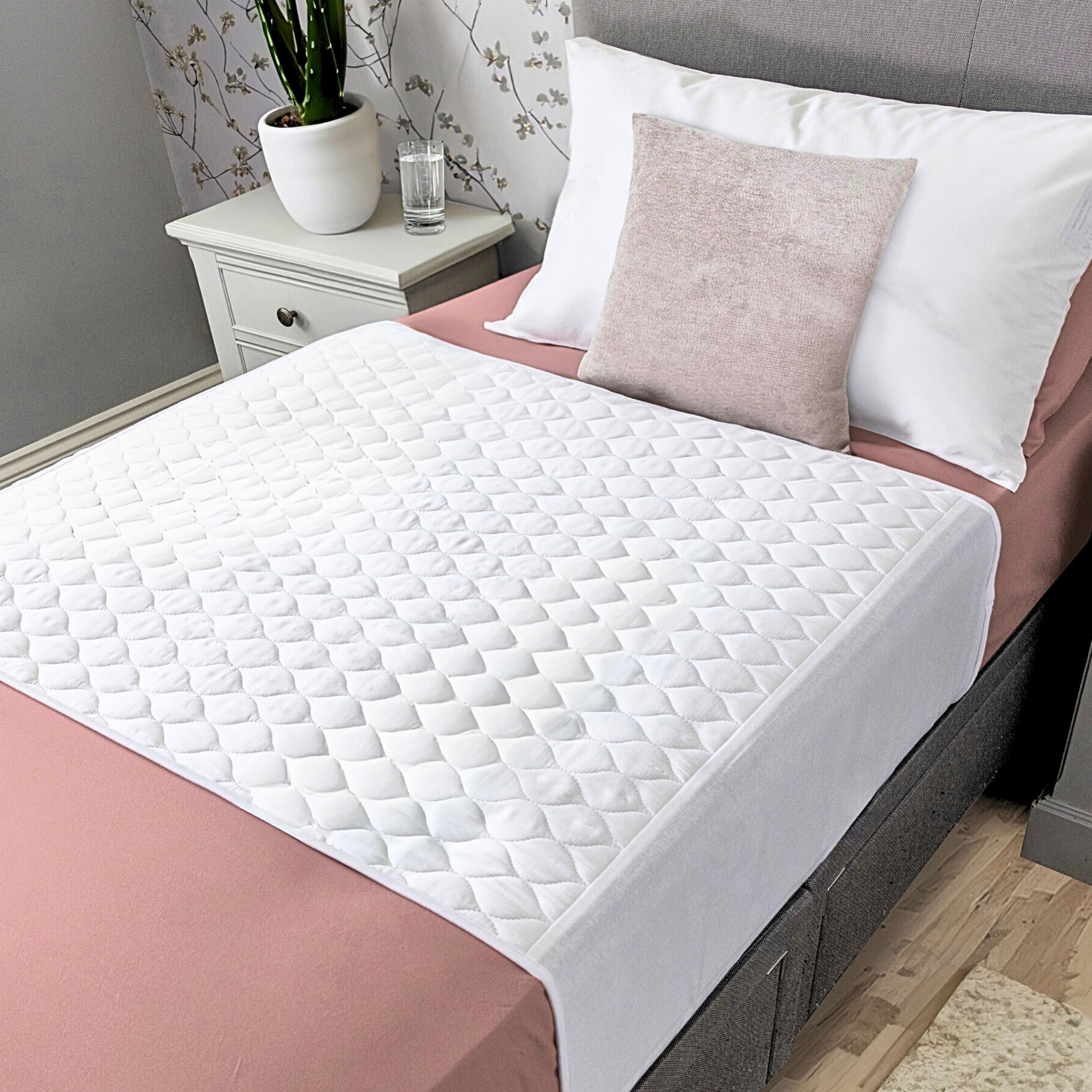
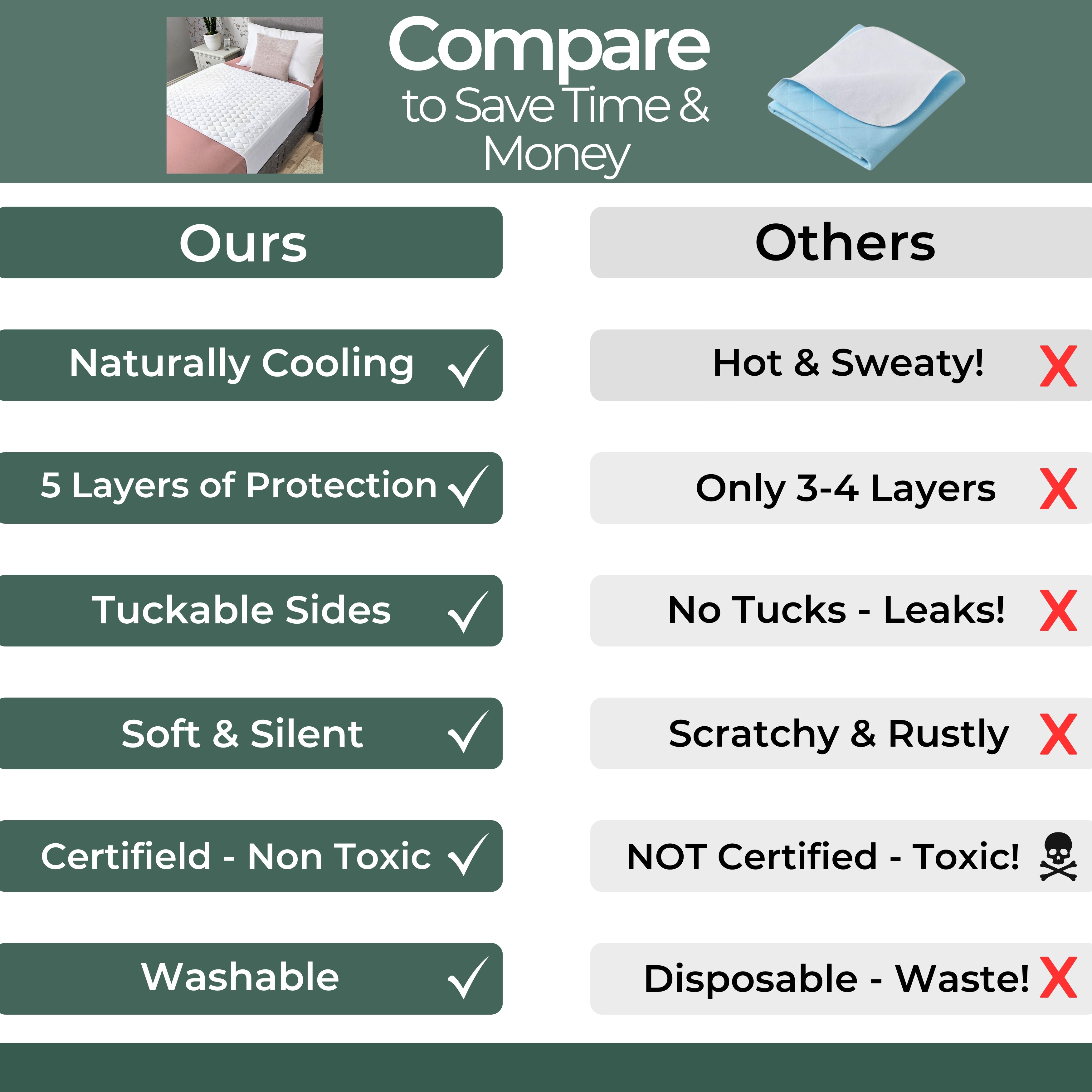
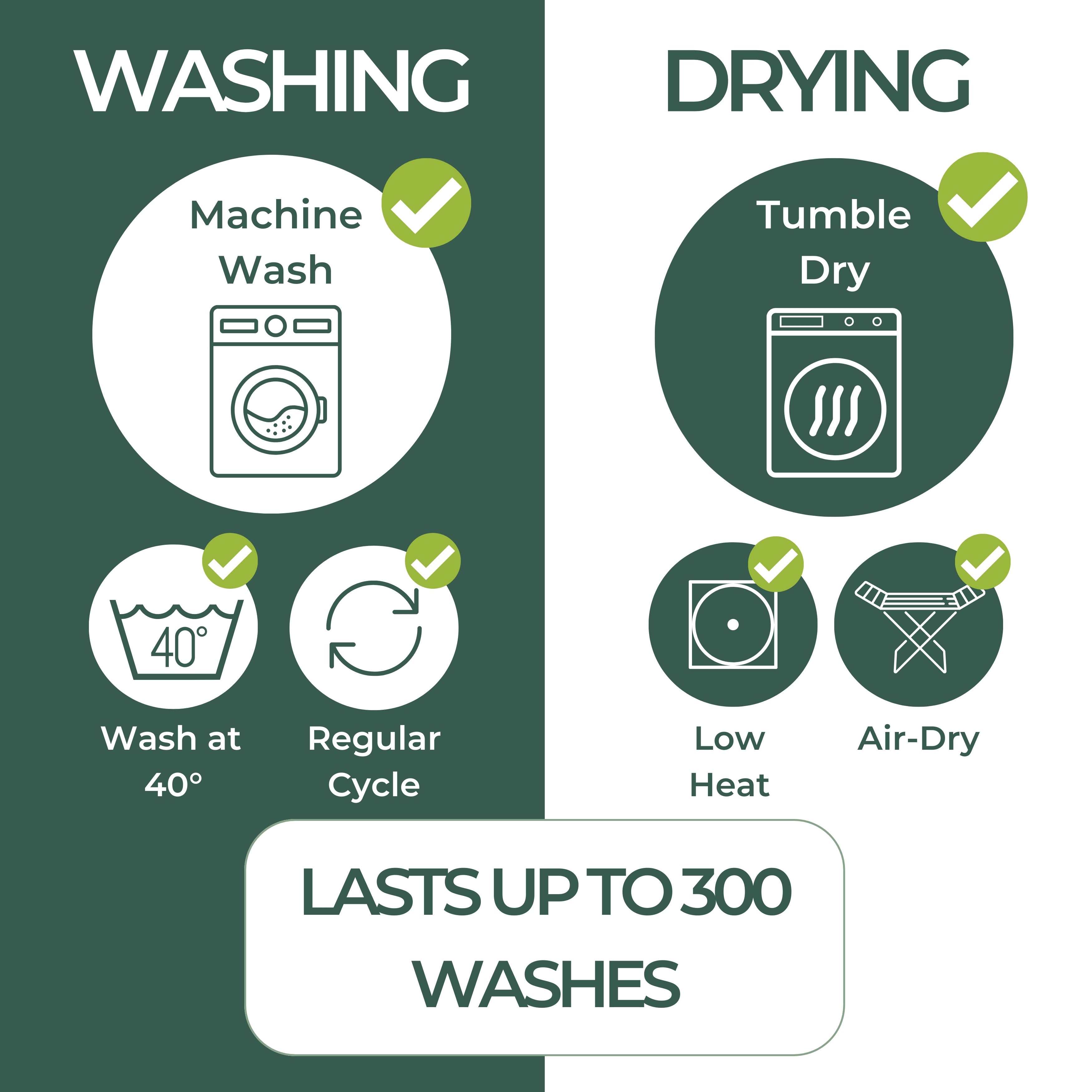
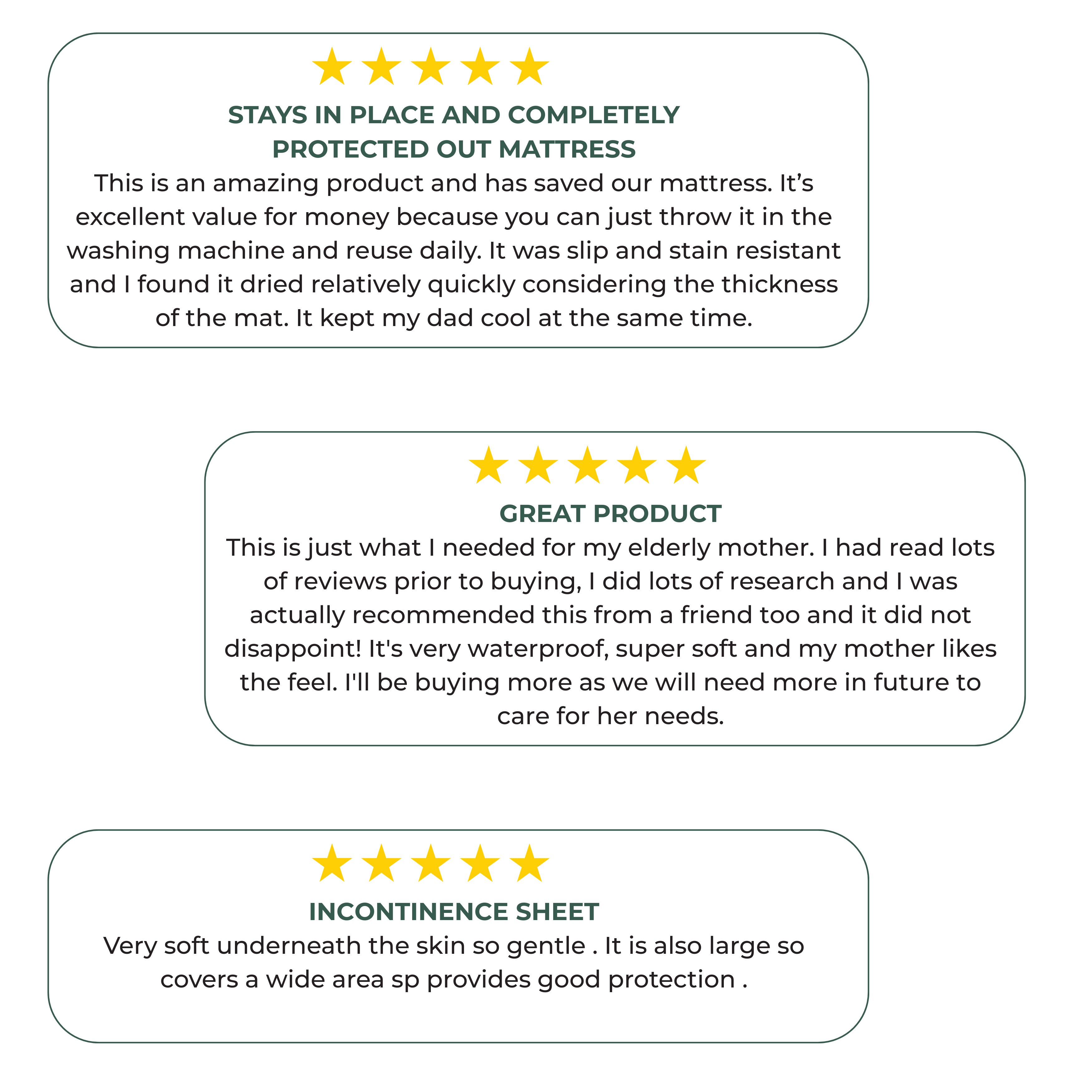
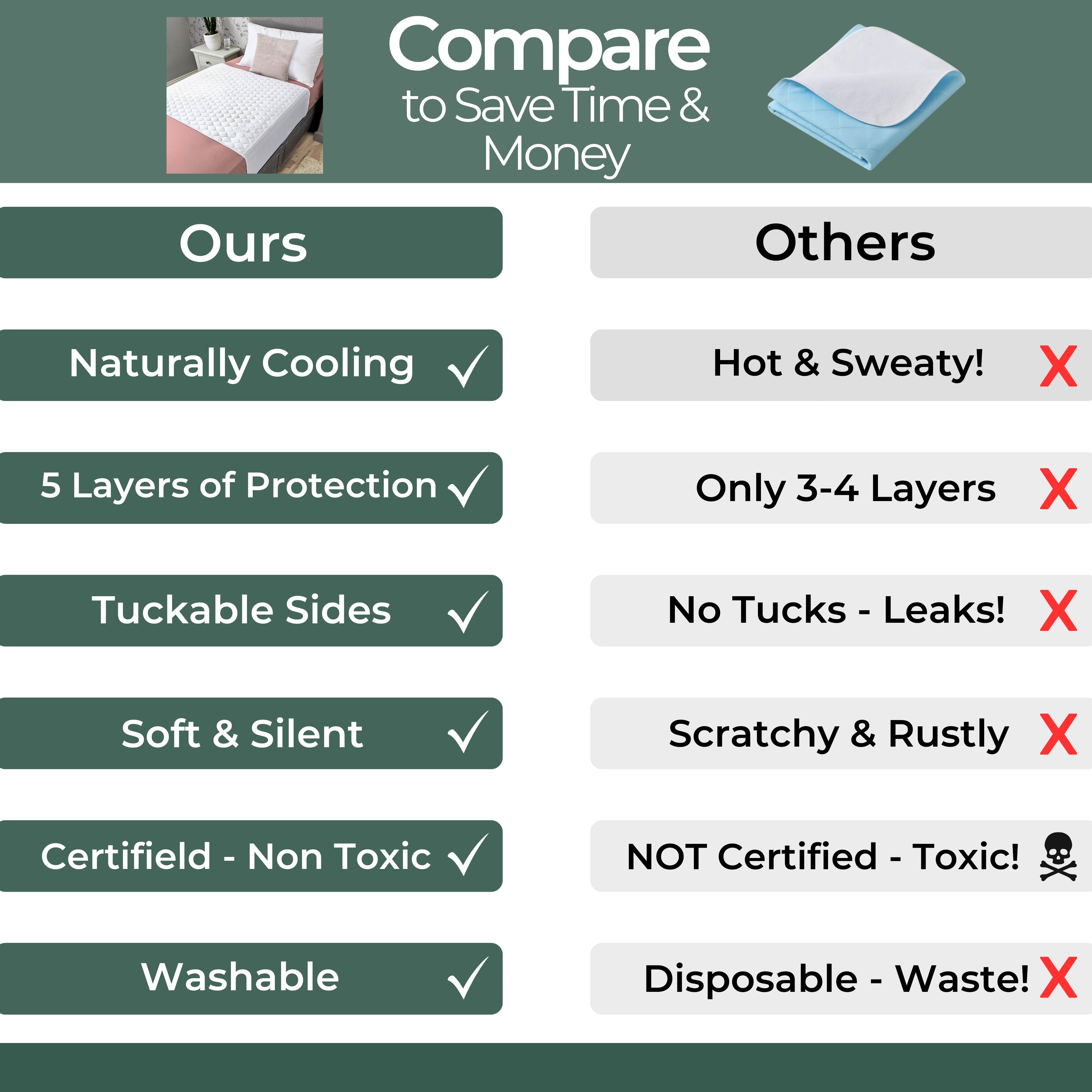
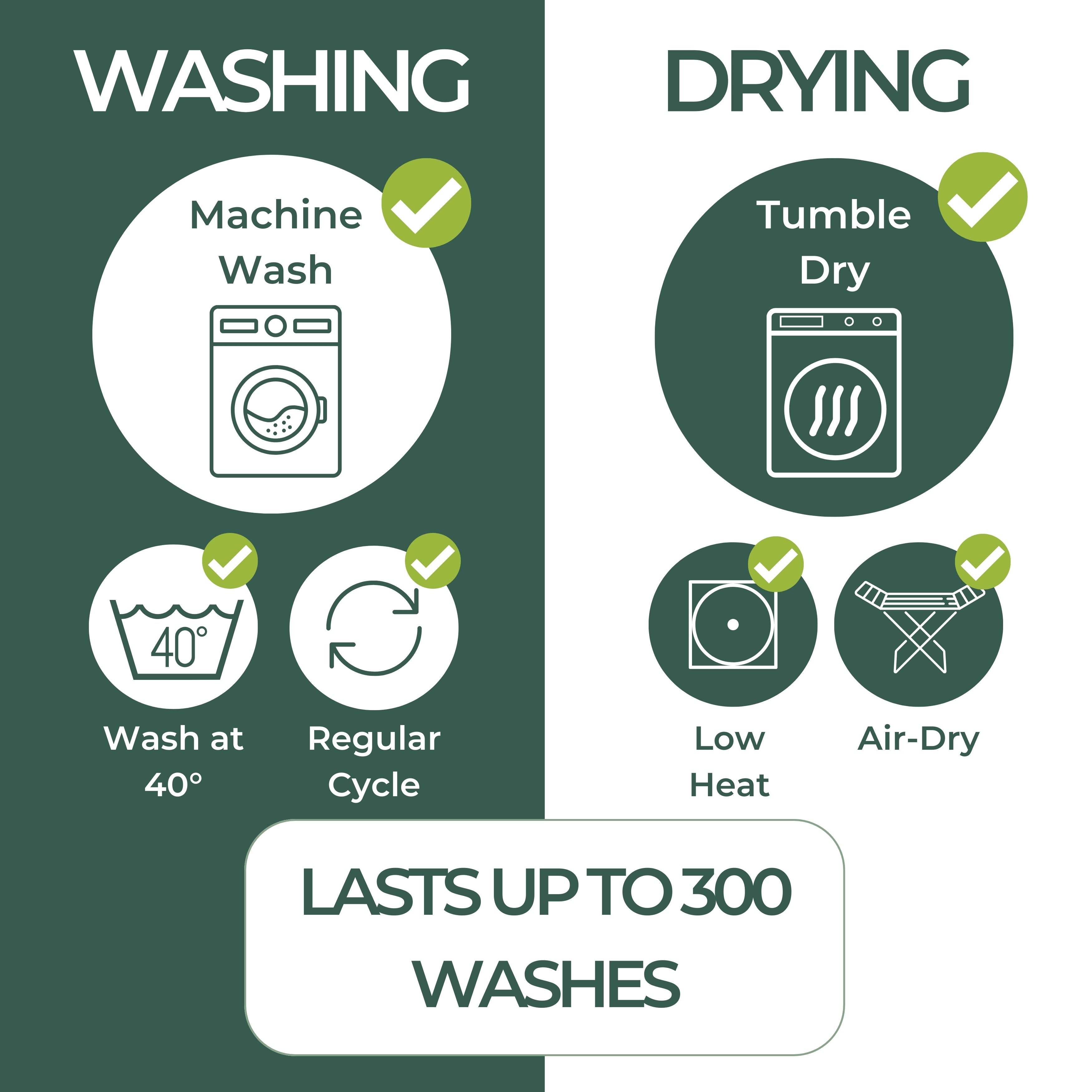
Use products such as a waterproof bedsheet that protects your bed and reduces any washing stress. Knowing your mattress is safe can significantly reduce nighttime anxiety which, in turn, may help reduce accidents.
2. Talk to Someone You Trust
This could be a partner, close friend, or healthcare professional. Even telling one person can lift an emotional weight.
3. Seek Professional Support
A GP can help identify causes and treatment options. A therapist can also help unpack shame and anxiety linked to the experience.
4. Practice Self-Compassion
Notice your inner voice, they can be pretty harsh! Ask yourself, would I speak this way to someone I love?
You Deserve Rest, Comfort, and Dignity
Bedwetting can affect sleep quality, relationships, and self-esteem but it does not diminish your value or adulthood.
You are allowed to protect your space, ask for help, and use tools that make life easier. You are allowed to prioritise your comfort and sleep, and to move through the world feeling confident and worthy, regardless of this challenge.
Shame loses its power when met with understanding and support. If you take nothing else from this article, remember this: You are not broken. You are not alone. And you deserve compassion from others and from yourself.
Follow our Instagram page for more helpful tips and advice.