


























Daytime & Nighttime Potty Training – Are They Actually Linked?
Daytime potty training is widely discussed among parents, health visitors, and online communities but nighttime dryness often gets far less attention.
This can leave many parents asking an important question:
If my child is dry during the day, should they also be dry at night? And when do we stop using nighttime nappies or pull-ups?
The lack of understanding and education around this topic can sometimes lead to confusion and stress for parents. To help, we’ve compiled some useful information below, which I hope will not only guide you but also put your mind at ease.
Are Daytime and Nighttime Potty Training Linked?
The short answer is: not directly.
A child can be fully dry during the day but still regularly wet the bed at night for months or even years afterwards.
This is because nighttime dryness depends far more on biological development than learned behaviour.
Daytime potty training is largely about:
- Awareness
- Routine
- Behavioural control
Nighttime dryness, however, depends on:
- Hormones
- Sleep cycles
- Bladder development
- Nervous system maturity
Because these systems develop at different speeds, it is completely normal for the two milestones not to align.
When Should You Start Nighttime Potty Training?
Continence specialists and UK health guidance continue to emphasise that there is no fixed age to begin nighttime potty training. Instead, readiness is determined by the child’s body, not the calendar.
Some children achieve nighttime dryness shortly after daytime training, while others take several years. Both patterns are normal.
Training or Hormones?
Nighttime bladder control is not something that can be fully “trained” in the same way as daytime toilet use. I often hear from parents who have had one child become dry at night immediately after daytime potty training, while their other child took two years to reach the same stage. This highlights that all children are different, and their bodies develop at different paces.
Being dry at night depends on several factors, including:
- The size of a child's bladder
- The production of vasopressin, the hormone that reduces urine production at night
- A child’s ability to wake up when their bladder is full, which is linked to nervous system development
- The ability to wake up when the bladder is full is still developing in many children.
While much of this process is about waiting for the child to be ready, other factors may need to be considered. Certain factors can delay nighttime dryness:
- Constipation (a very common and often overlooked cause)
- Drinking large amounts close to bedtime
- Not emptying the bladder fully before sleep
- Stress or major routine changes
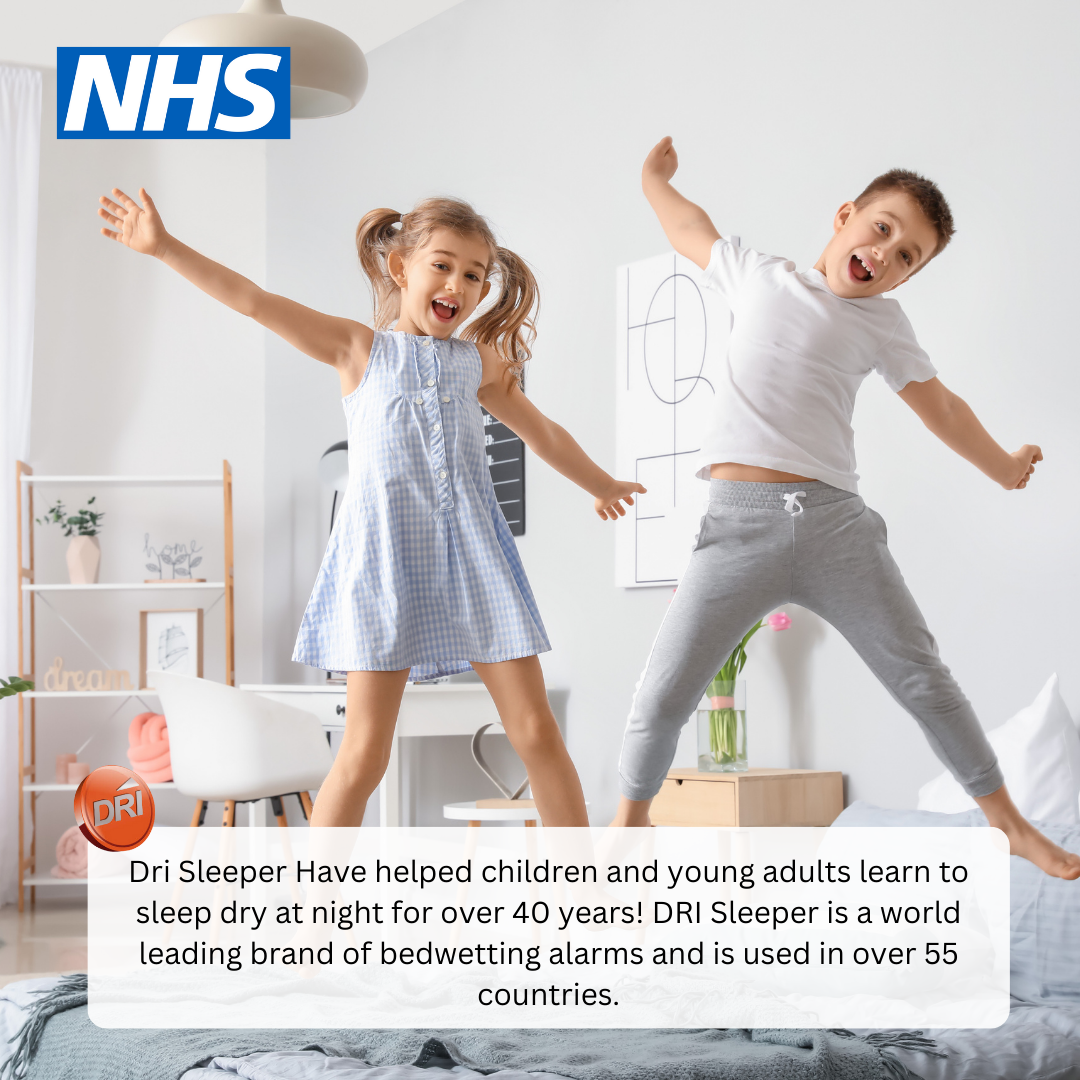
Addressing these can sometimes improve night dryness without formal “training". If you feel your child is ready but still experiencing frequent bedwetting, a bedwetting alarm like this one can help train their brain to wake up when they need the toilet.
What Signs Should You Look Out For?
Rather than age, look for consistent patterns and signs that indicate your child may be ready to ditch nighttime nappies or pull-ups:
- They wake up with a dry pull-up for two consecutive nights
- They are getting up on their own to use the toilet at night
- They express a desire to stop wearing a pull-up or nighttime nappy (though this one can be tricky if they aren't actually ready)
- Longer stretches of dry nights becoming more frequent
One-off dry nights are not usually enough on their own, consistency matters more than isolated success.
What to Do When You Start Transitioning Away from Nighttime Nappies
When you begin moving away from pull-ups or nighttime nappies, it helps to focus on support rather than pressure.
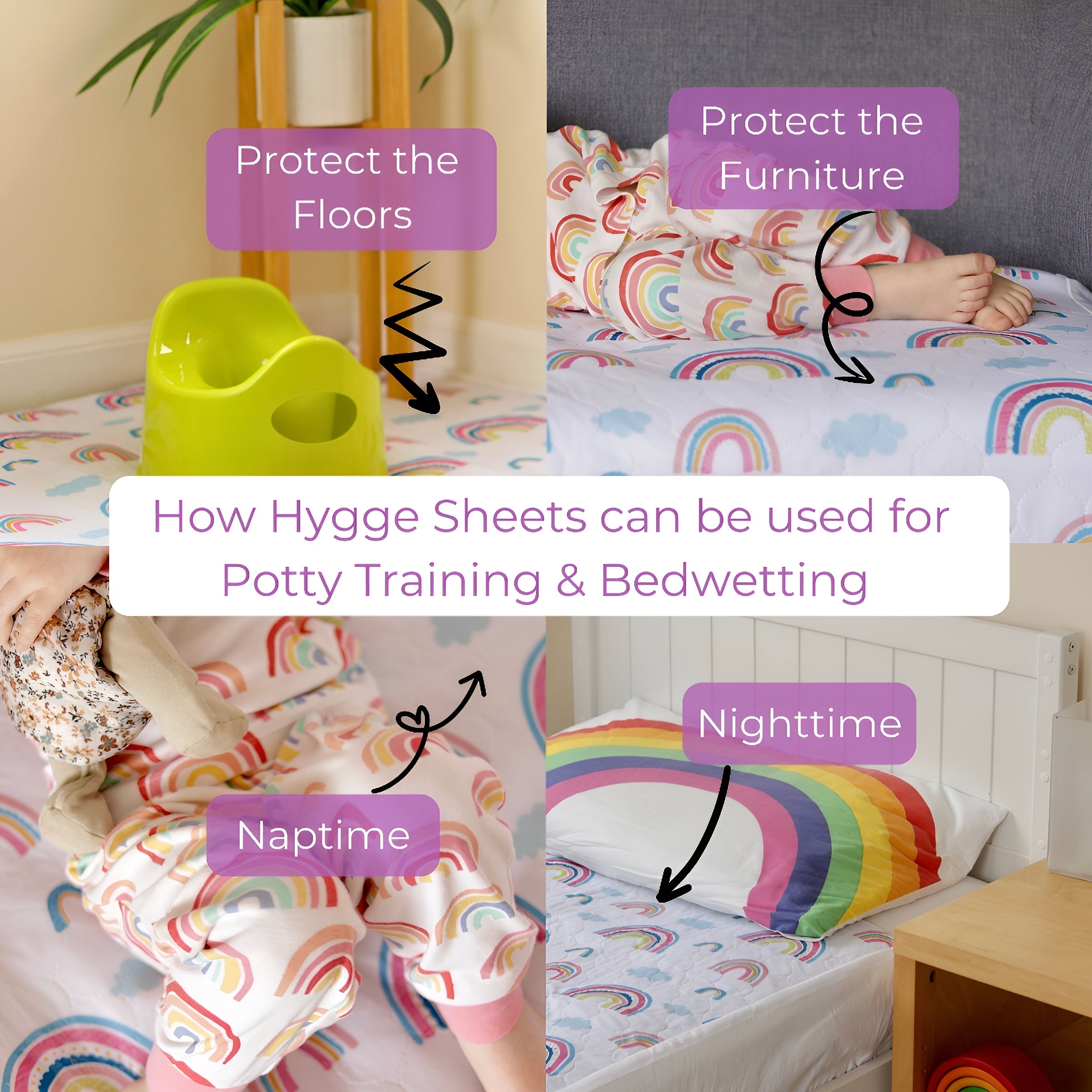
Waterproof Bed Protection
Accidents are still very normal during this transition stage.
Waterproof bed pads and coverless duvets help by:
- Protecting the mattress
- Making night changes quicker
- Reducing stress for both parent and child
- Allowing children to sleep comfortably without worry
Night Lights for Confidence
Many children avoid getting up at night simply because the dark feels intimidating.
A soft nightlight can:
- Help them locate the toilet safely
- Reduce anxiety
- Support independent nighttime routines
Bedwetting Alarms (If Needed)
If bedwetting continues beyond the expected age range or is frequent despite readiness signs, bedwetting alarms remain one of the most evidence-based tools available.
They work by helping children gradually build awareness of bladder signals during sleep.
A Key Point Many Parents Miss
One of the most important things to understand is this:
Nighttime dryness is not a training milestone in the same way as daytime potty training. It is a developmental process.
That means:
- It cannot be rushed
- It cannot always be taught
- It often resolves naturally over time
Daytime and nighttime potty training may feel connected, but they are driven by very different developmental systems.
The most effective approach in 2026 is to:
- Focus on readiness, not age
- Avoid pressure or punishment
- Use supportive tools like waterproof bedding and night lights
- Understand that bedwetting is still normal for many children
Most children eventually outgrow bedwetting naturally as their bodies mature and with the right support, the process can be much less stressful for everyone involved.