




















Potty training is a big milestone, and while learning to stay dry during the day can feel like a huge achievement, nighttime dryness often takes a little longer.
Many parents are surprised to discover that it’s completely normal for children to continue wetting the bed for months or even years after they’ve mastered daytime potty training. Staying dry overnight relies on physical development that happens naturally as children grow, including bladder capacity, hormone production, and the ability to wake when they need the toilet.
The important thing to remember is that nighttime accidents are a normal part of the process and not a sign that your child is falling behind.
With a little patience, encouragement, and the right tools, you can help your child build confidence while making nighttime potty training much less stressful for the whole family.
Daytime Potty Training Comes First
Before focusing on dry nights, it’s important that your child is comfortable and confident using the toilet during the day. Once daytime potty training is well established, you can begin supporting the transition to nighttime dryness.
Some children naturally stay dry at night soon after they ditch daytime nappies, while others need much longer. Both experiences are completely normal, and there’s no "right" timeline.
What Should Toddlers Wear to Bed During Nighttime Potty Training?
Start with Nappies or Pull-Ups
For many children, continuing to wear a nappy or pull-up at bedtime is the best place to start. It protects the bed while allowing your child’s body to develop the skills needed for nighttime dryness.
Signs that your child may be getting closer to staying dry overnight include:
- Waking up with a dry nappy or pull-up most mornings.
- Having less urine in the nappy or pull-up when they wake up.
- Waking during the night to use the toilet.
- Going to the toilet straight after waking because their bladder feels full.
When you begin to notice these signs consistently, your child may be ready to take the next step.
When Is It Time to Stop Using Pull-Ups?
You might consider removing the nappy or pull-up once your child is having more dry nights than wet ones. If they regularly wake up to use the toilet or are consistently dry in the morning, it could be a good opportunity to give it a try.
It’s important to remember that accidents are likely to happen and that’s perfectly okay. Nighttime dryness isn’t usually a straight line, and occasional setbacks are completely normal.
When you make the transition:
- Be prepared for accidents! This is part of the process.
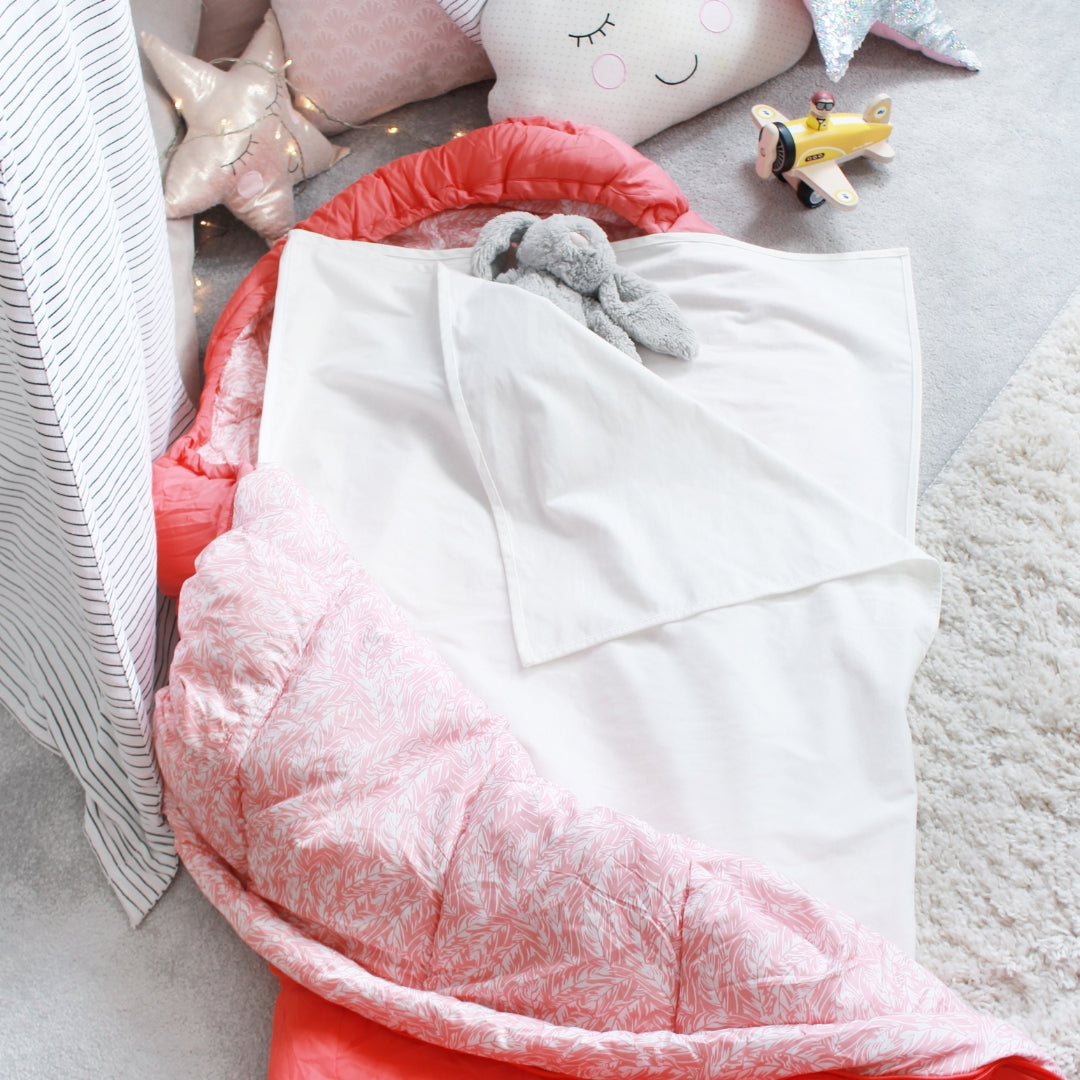
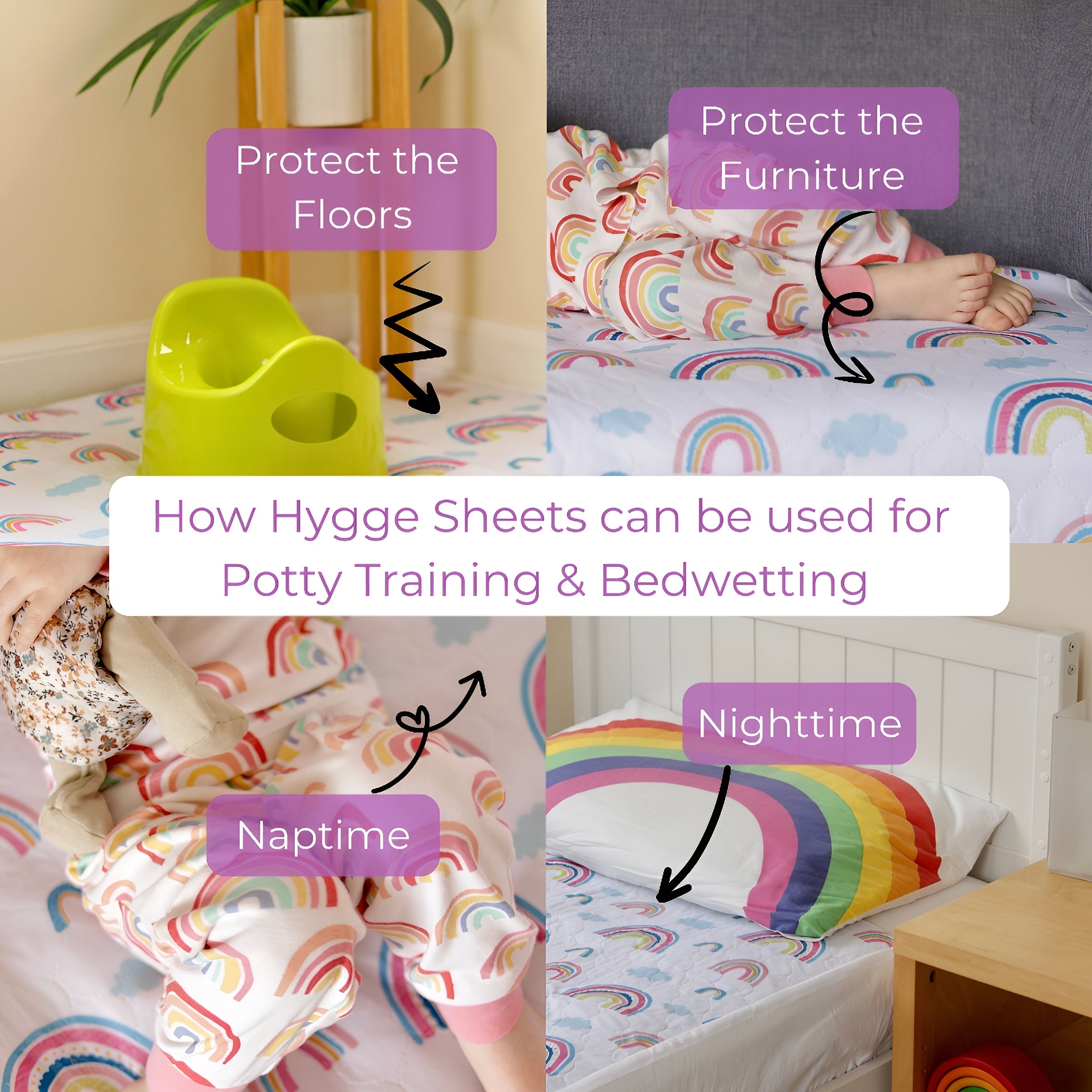
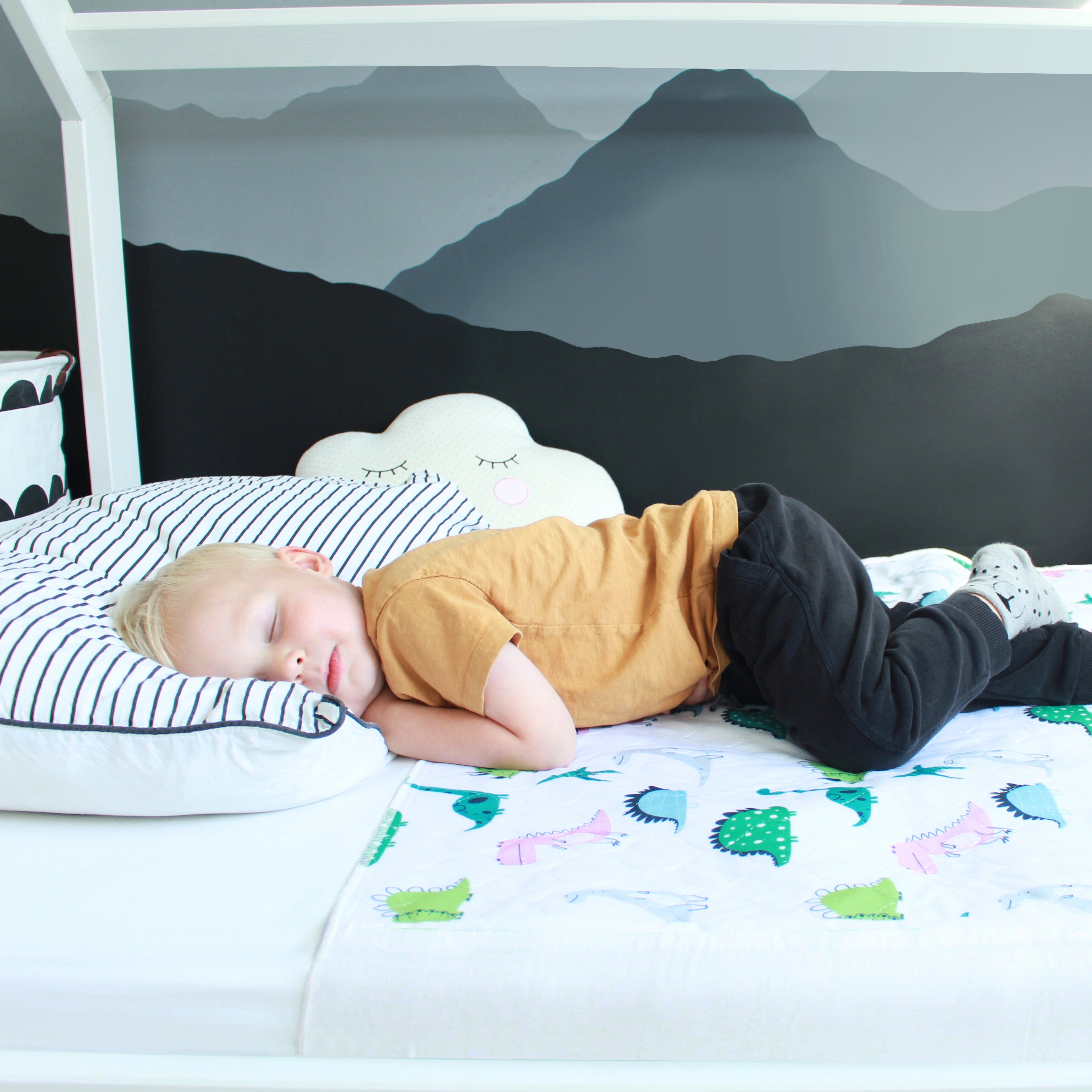
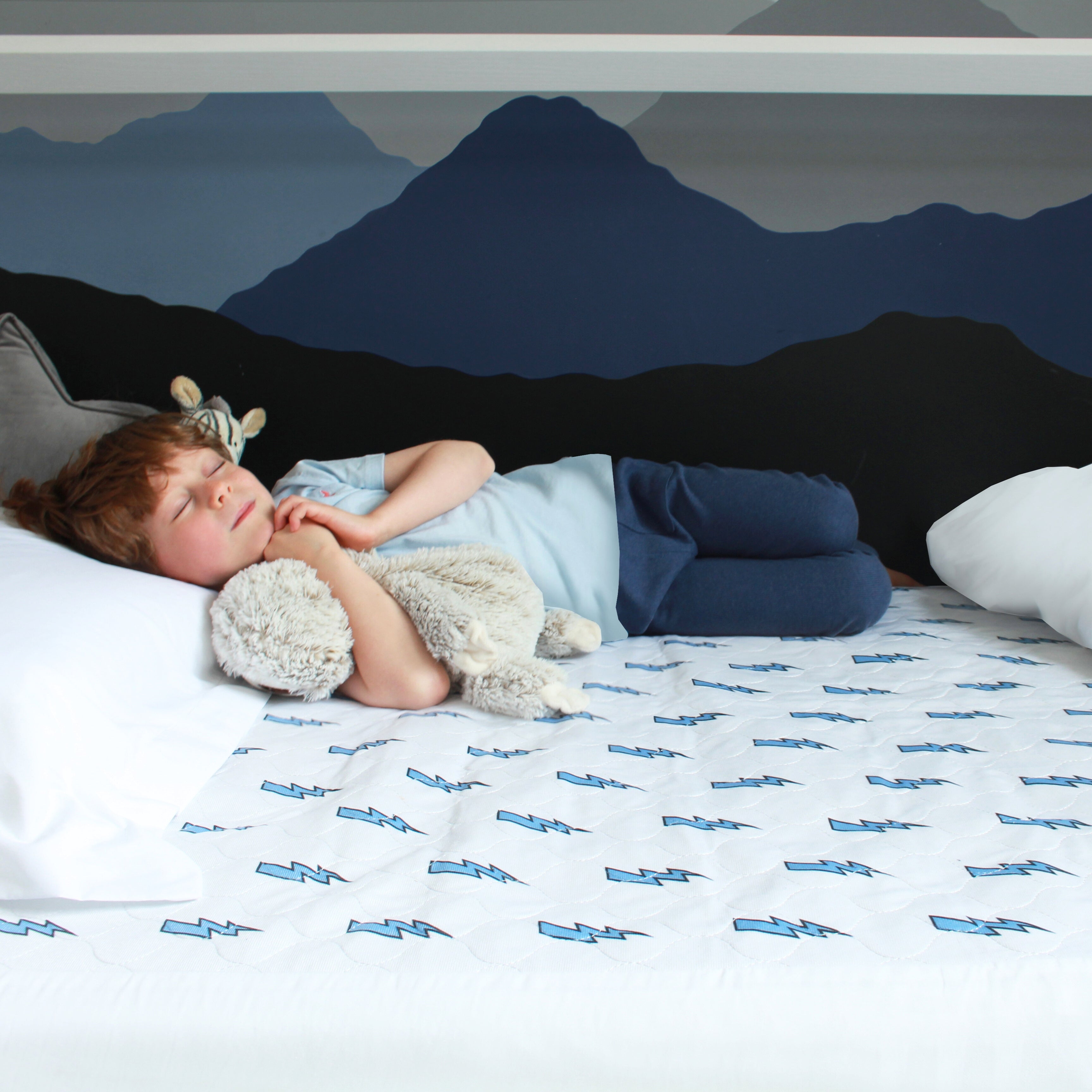
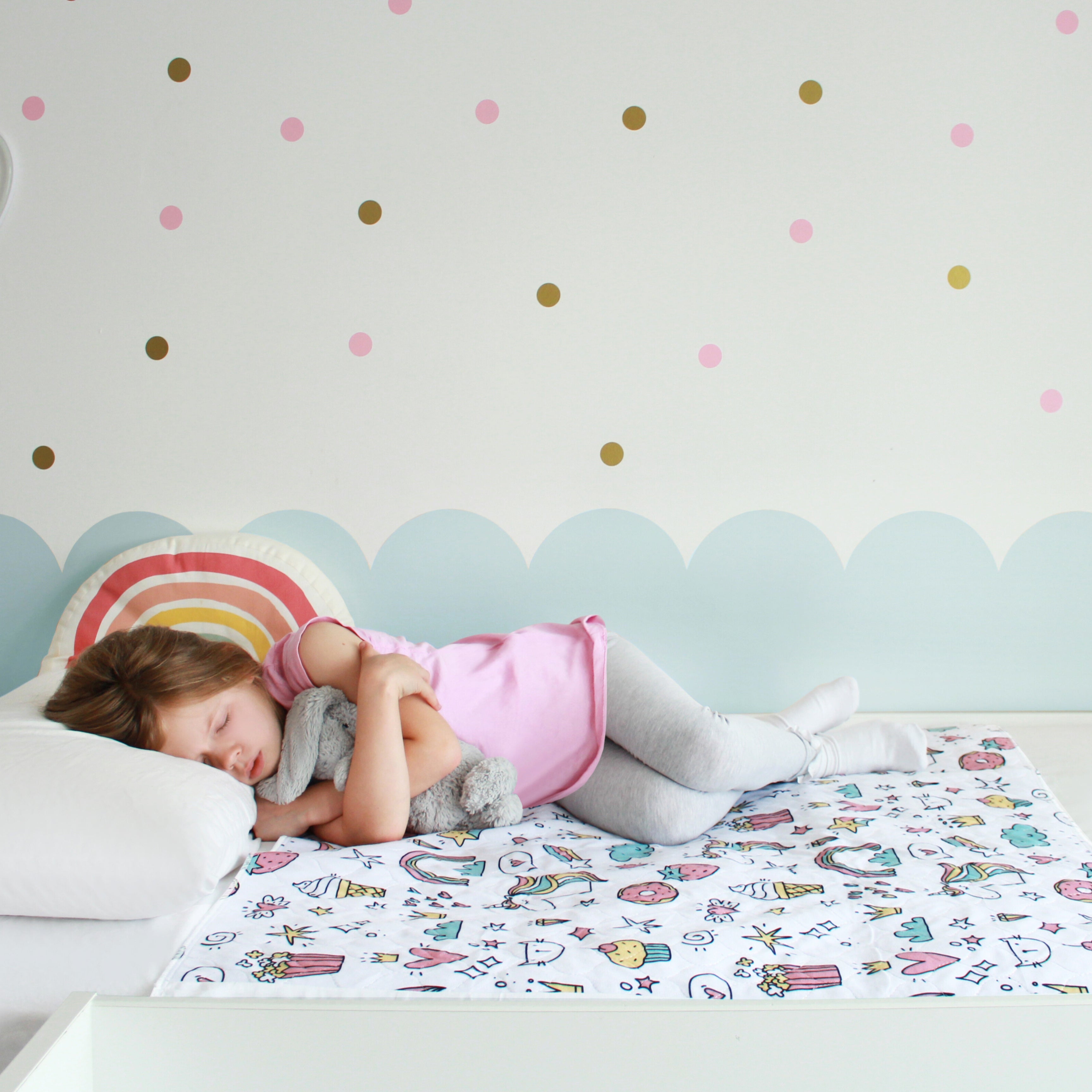
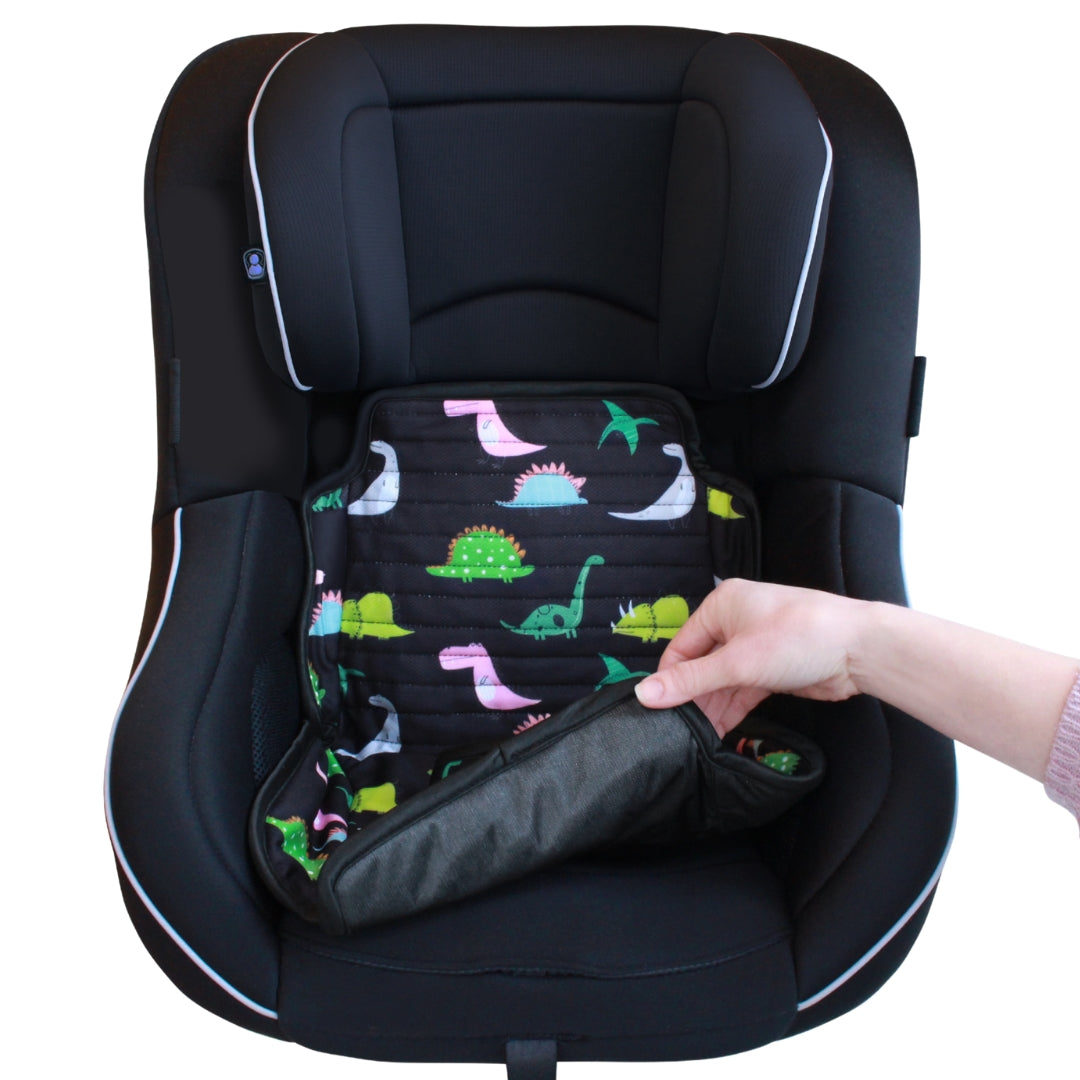
- Use a bed pad, such as waterproof bed pads, to protect the mattress. These make changing the bed quick and easy, even after your child seems to have achieved nighttime dryness.
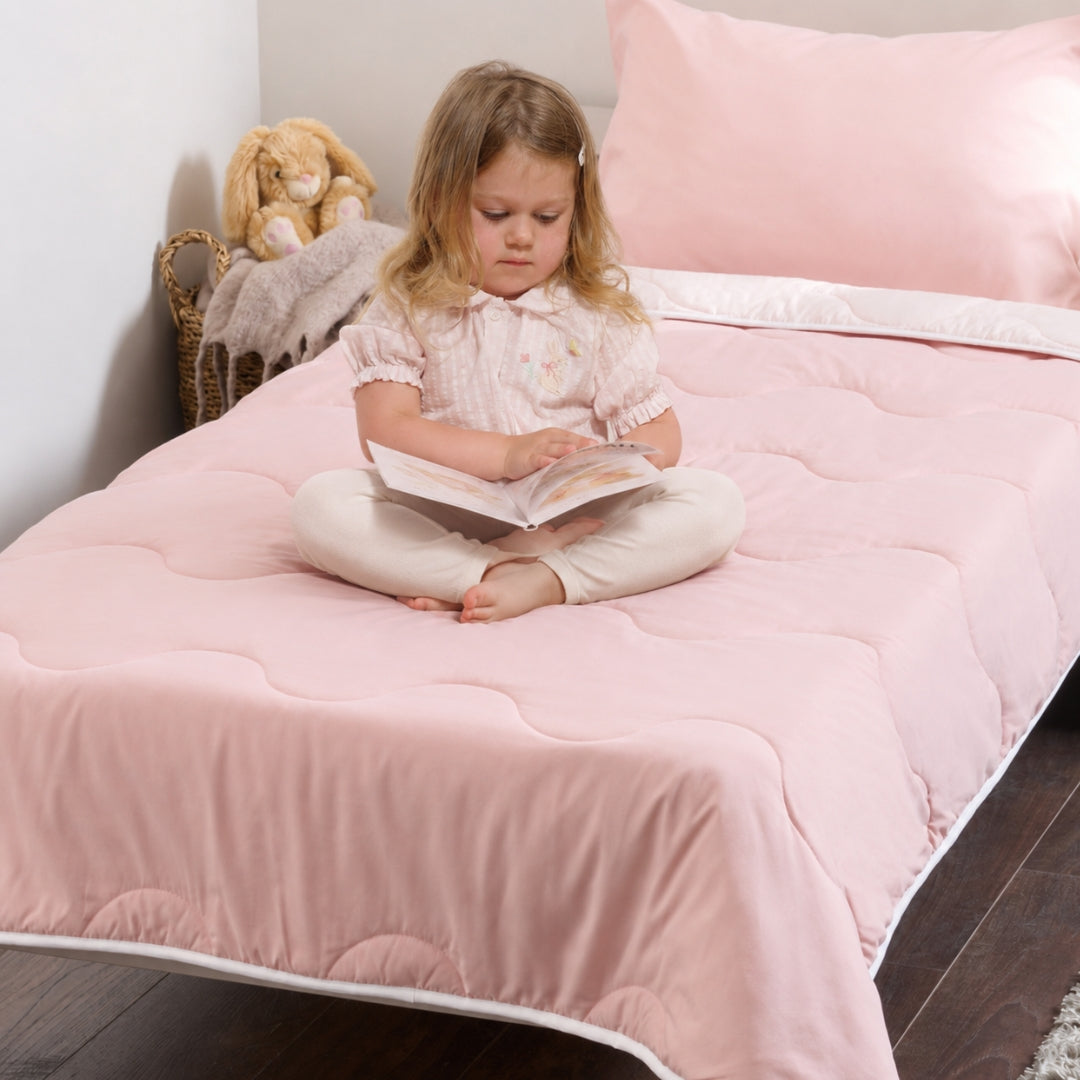
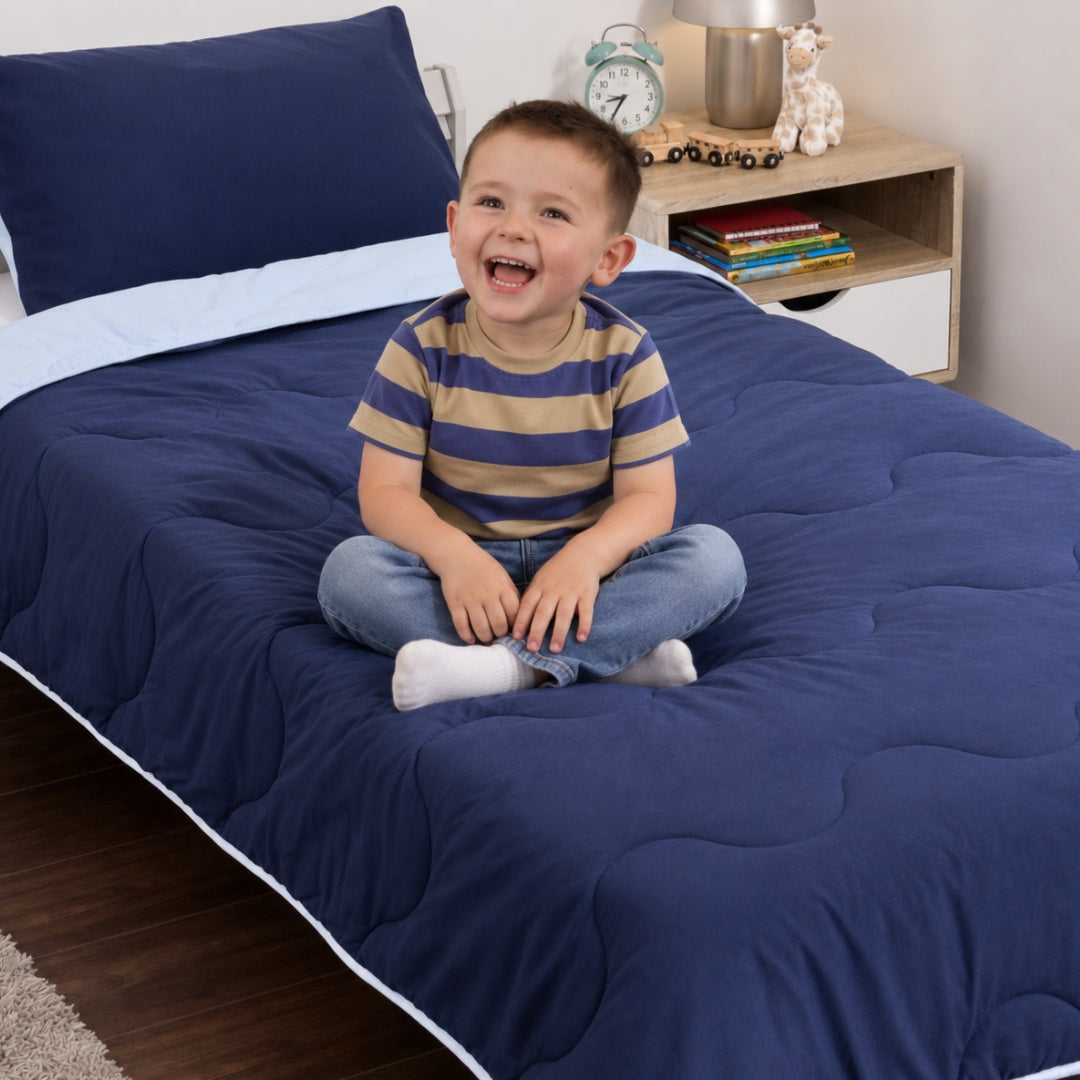
- Consider using one of our coverless duvets. With a super-soft built-in cover, there's no duvet cover to wrestle with after an accident, and the quick-wash, quick-dry design means it's ready to use again much faster. Available in reversible Blue and Pink colourways, they're designed to make busy family life that little bit easier.
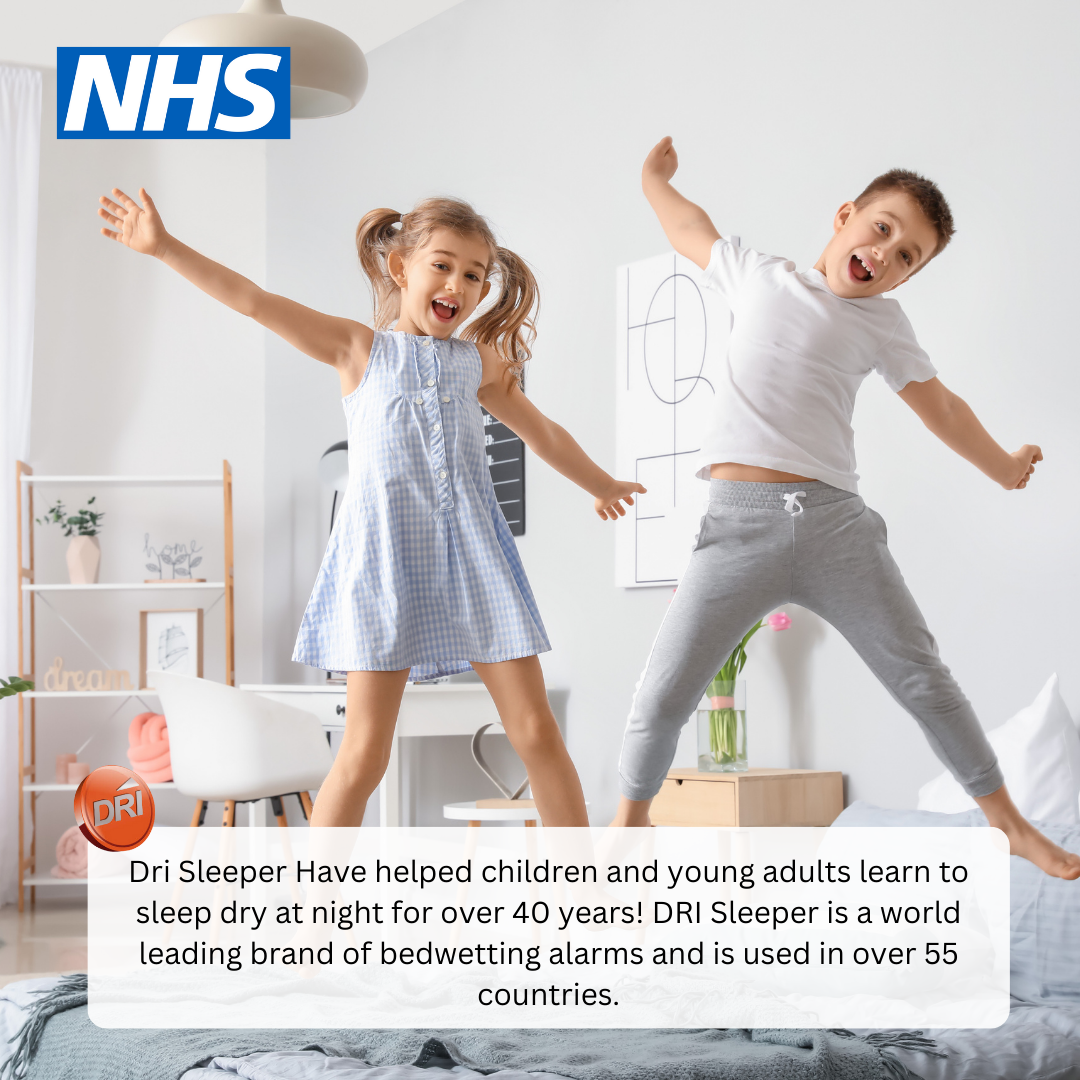
- Consider using a bedwetting alarm like the Dri Sleeper Bedwetting Alarm, which can help your child wake up when they need to go to the toilet.
Some children also benefit from feeling the sensation of being wet, as it can help reinforce the connection between bladder signals and waking up. However, readiness depends largely on their individual development.
Should Your Child Wear Underwear or Just Pyjamas?
Many parents wonder whether wearing underwear to bed instead of a pull-up can encourage nighttime dryness. While there’s no evidence that this works for every child, some families find that treating bedtime more like daytime helps reinforce the routine.
If your child feels ready to stop wearing pull-ups, absorbent training pants can be a useful middle step. They provide the familiarity of underwear while offering a little extra protection during the transition.
Ultimately, the best choice is the one that helps your child feel comfortable and confident.
Involve Your Child in the Process
Nighttime potty training can be confusing. Children are often encouraged to stop wearing nappies during the day, only to be told they still need one at bedtime.
Explaining that their body is still learning can help them understand the difference. Reassure them that lots of children need a little extra time to stay dry at night and that bedwetting is never something to feel embarrassed about.
Try to keep the experience positive:
- Avoid punishment or criticism after accidents.
- Celebrate progress, even if it’s small.
- Encourage your child to help with simple tasks like changing pyjamas or putting wet bedding in the laundry, without making it feel like a consequence.
A small nightlight can also be a helpful addition, making it easier for your child to find the toilet if they wake during the night.
Download Our Free eBook
If you’re just starting the journey to dry nights, our free eBook is a great place to begin. It’s designed to help parents and children understand nighttime potty training together, with simple advice and encouragement along the way. Download it here
Remember: Dry Nights Take Time
Every child develops at their own pace, and nighttime dryness often comes later than daytime potty training. The most important thing is to stay patient, supportive, and consistent.
To recap:
- Focus on daytime potty training first.
- Keep using nappies or pull-ups until your child is regularly waking up dry.
- Transition gradually when they show signs of readiness.
- Expect a few accidents along the way they’re a normal part of learning.
- Use practical tools like waterproof bed pads and mattress protectors to make life easier.
With time, encouragement, and the right support, your child will get there. And until they do, a little preparation can help everyone enjoy a better night's sleep.