






















Potty training can be a challenging milestone, especially when it comes to nighttime dryness. Even if your child is dry during the day, nights are a completely different developmental stage. However, with the right preparation and a positive approach, nighttime potty training can be a smooth and stress-free experience for both you and your child.
If you’re wondering how to potty train a 4-year-old at night, the most important thing to know is this: bedwetting at age 4 is still very normal, and most children are not fully ready for consistent night dryness yet.
This guide will help you understand readiness, reduce stress, and choose the right tools to support your child.
Is a 4 Year Old Too Young for Nighttime Potty Training?
Most children achieve daytime dryness between 2-4 years old, but staying dry through the night often takes longer. Bedwetting in 4-year-olds is completely normal. In most cases, no training is actually needed at this age because the body is still developing nighttime bladder control.
By age 4:
- Many children are dry during the day
- Nighttime dryness is still developing
- Accidents are extremely common
According to the NHS, one in five 5-year-olds still occasionally wet the bed and this is considered developmentally normal. There is no fixed age to start nighttime potty training. Instead of strict “training,” the focus at this age is usually on supporting readiness.
When Is a Child Ready for Nighttime Dryness?
Rather than focusing on age alone, readiness signs are much more reliable.
Your 4 year old may be getting ready for dry nights if they:
- Wake up dry most mornings
- Stay dry during naps
- Wake or call out when they need the toilet at night
- Show awareness of a full bladder
- Their pull-ups or pyjama pants are often dry in the morning.
If these signs are not present consistently, they likely still need time rather than structured nighttime training.
What Actually Helps with Nighttime Potty Training?
Modern potty training guidance focuses less on “forcing dry nights” and more on building independence while protecting sleep and confidence. Preparation is key to making the process as easy as possible for both you and your child. Here are some essential items to help with nighttime potty training:
Waterproof Mattress Protector
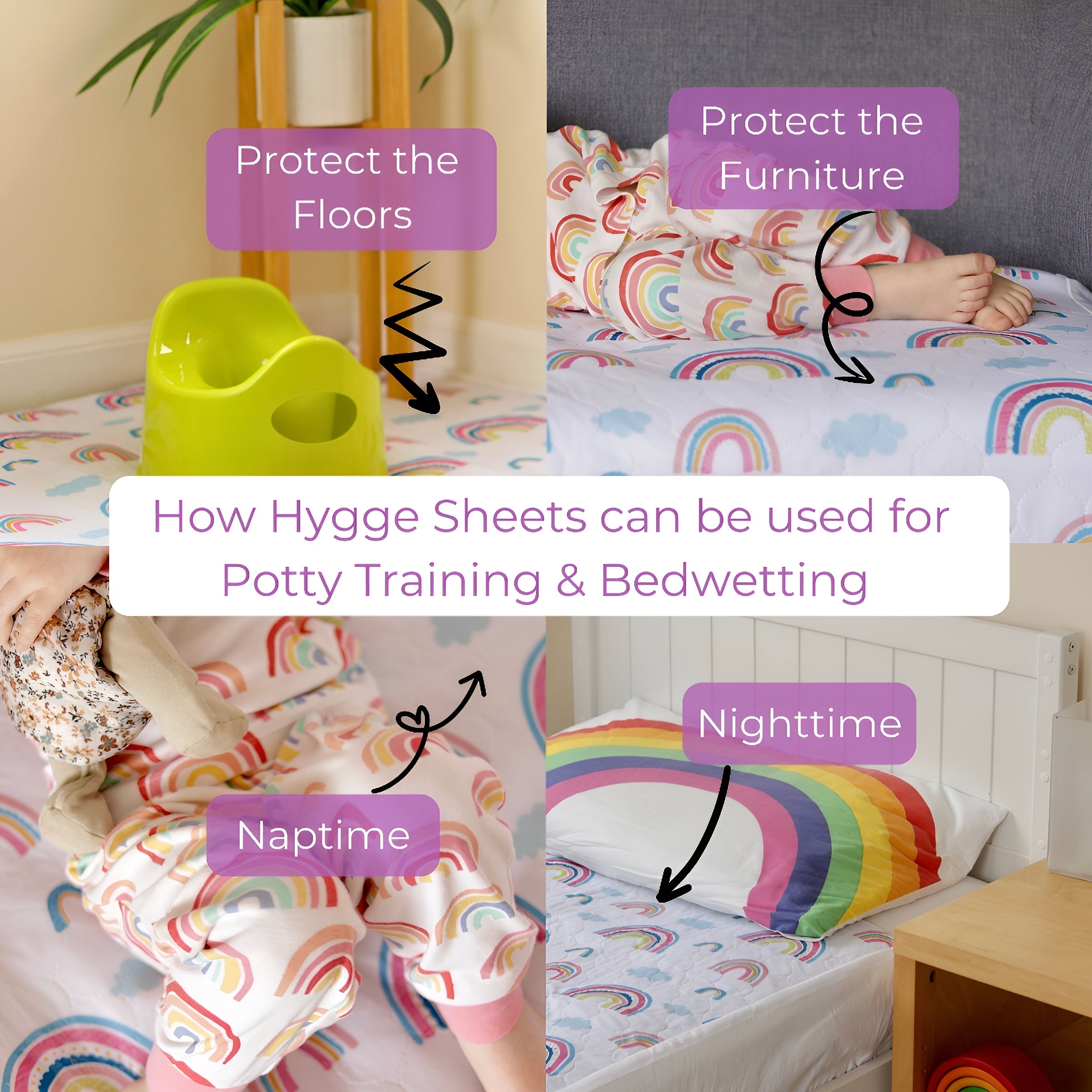
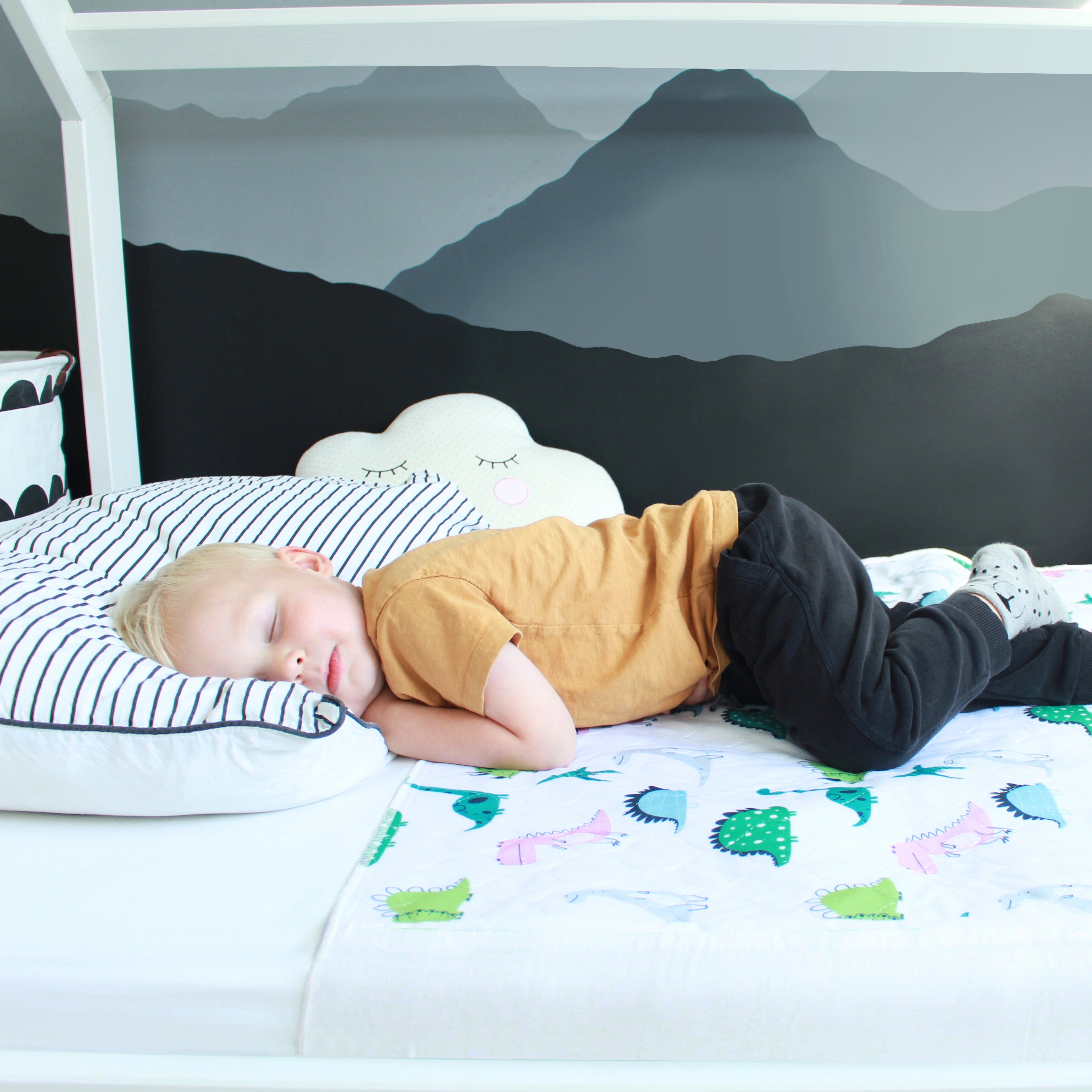
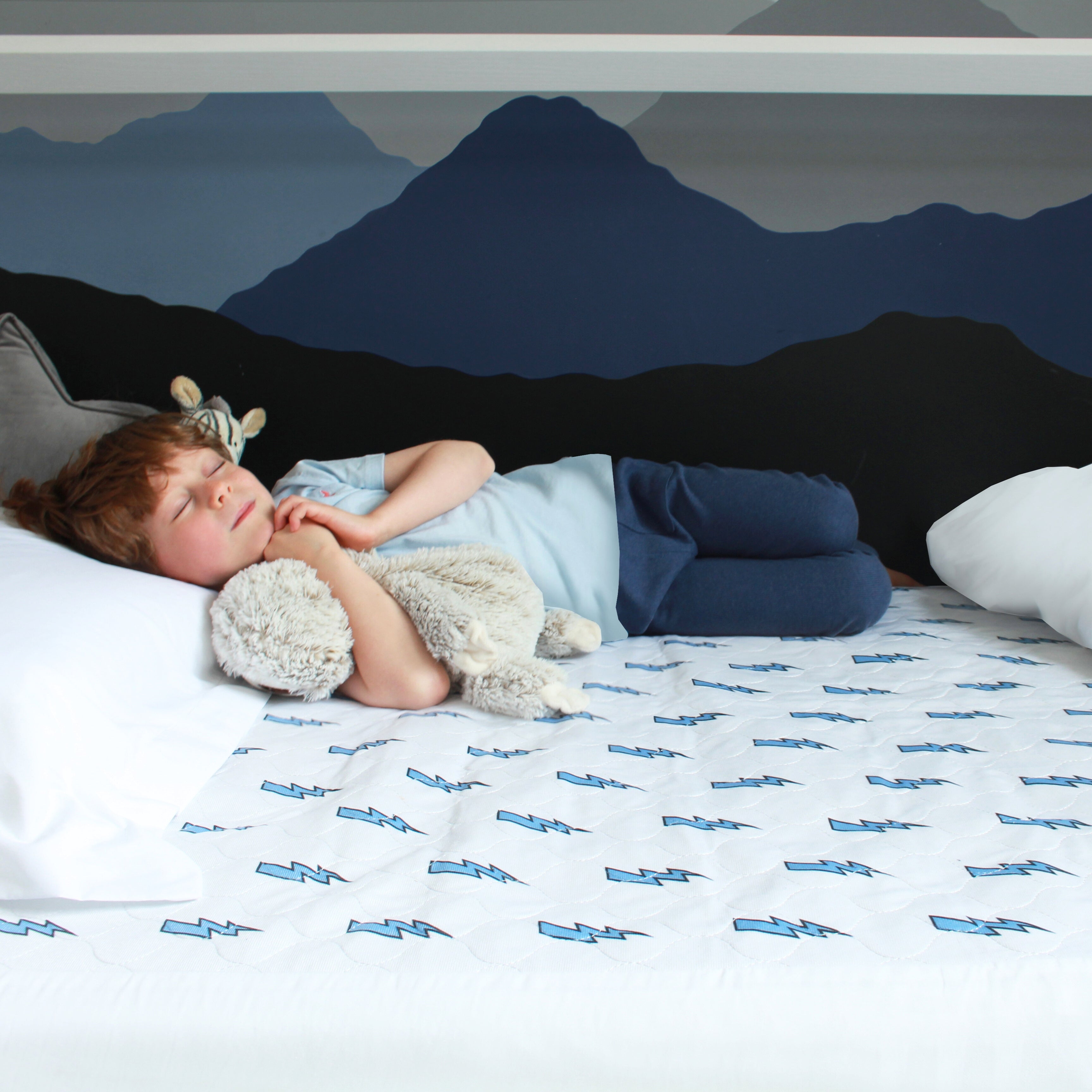
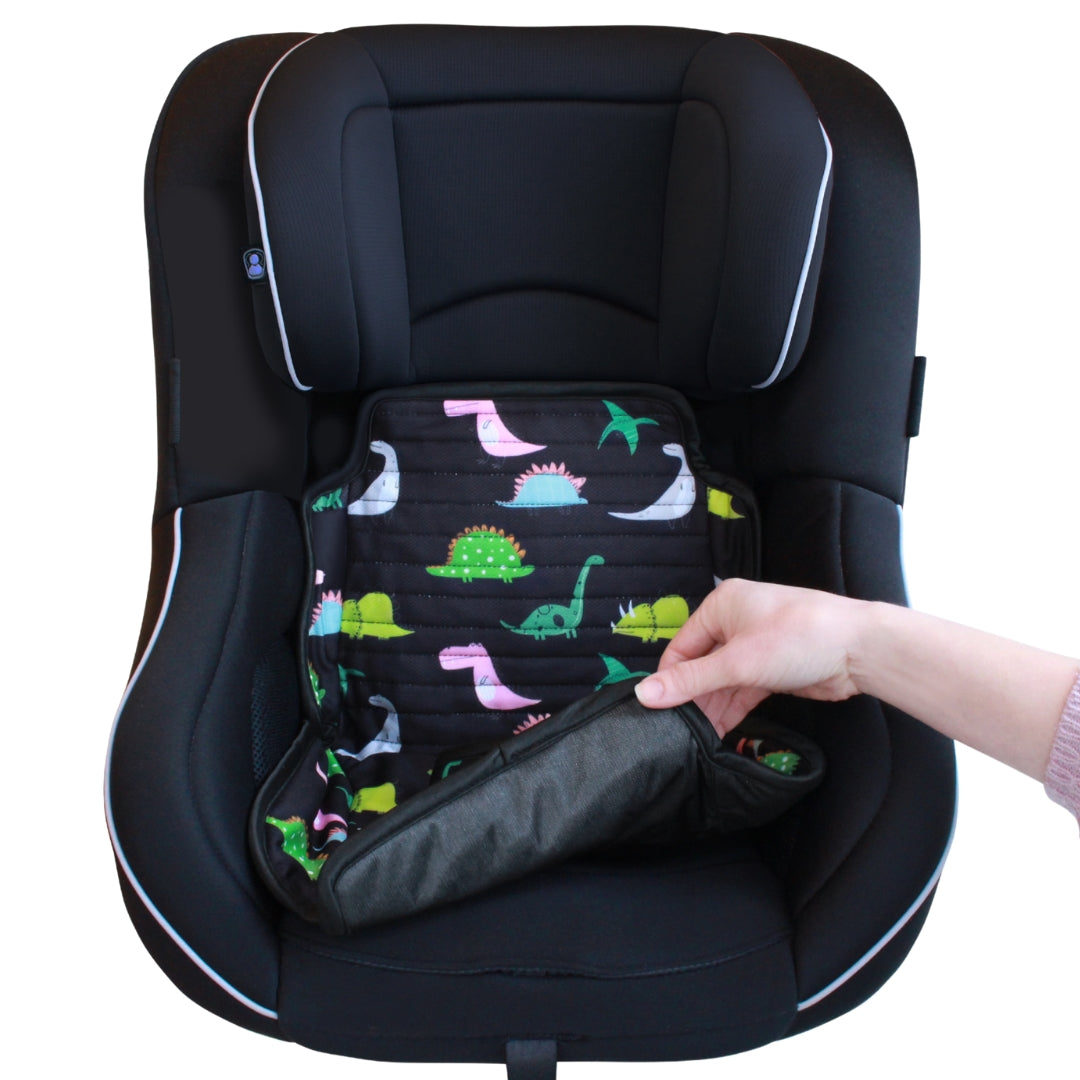
Accidents are a normal part of nighttime potty training, so protecting your child’s mattress is essential. Using a waterproof sheet makes cleanup quick and easy, ensuring your child can get back to sleep with minimal disruption.
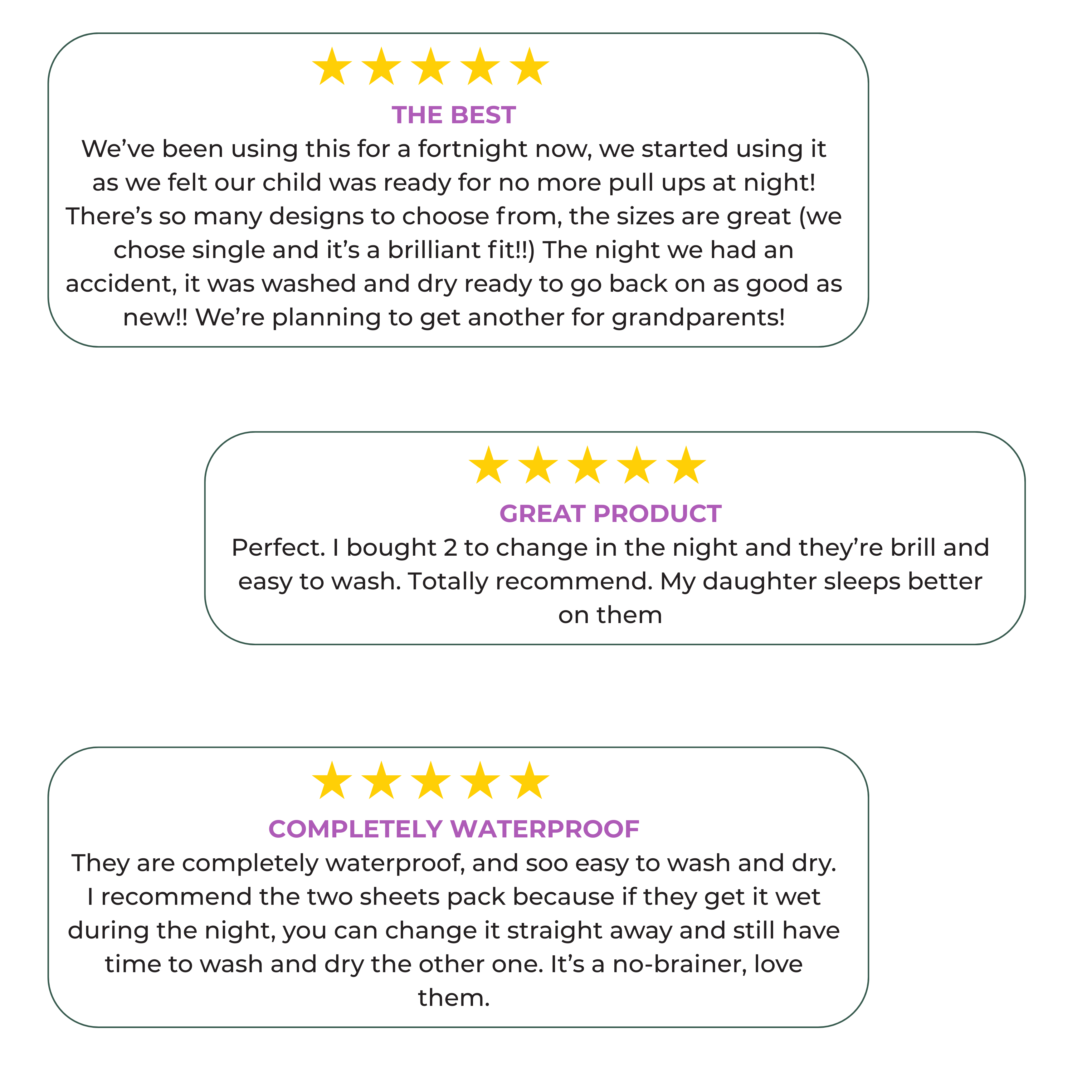
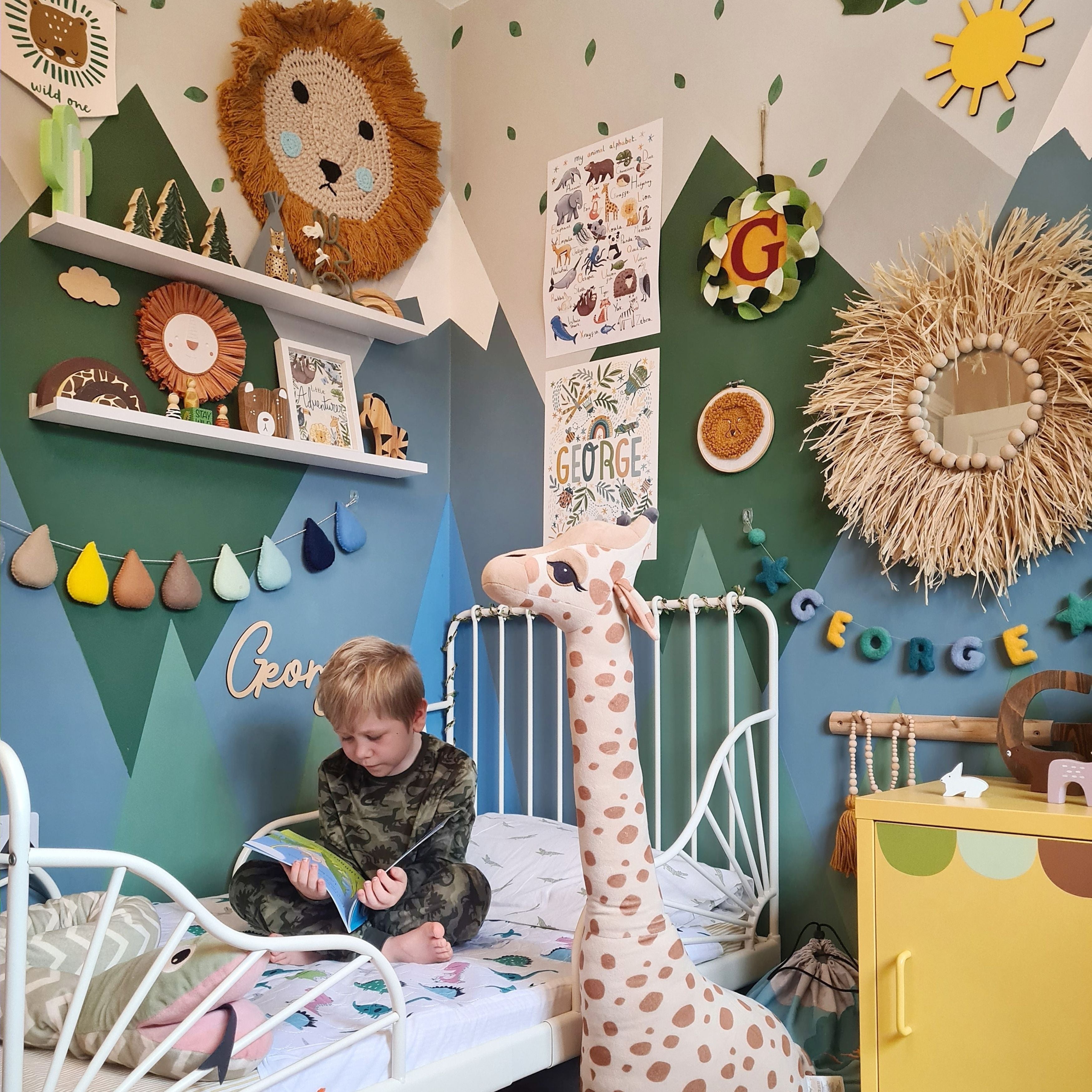
Check out our Bed Pads for Bed Wetting. These machine-washable and tumble-dry-friendly bed mats come in fun, colourful designs that kids love, making the potty training process less stressful for parents and more engaging for little ones.
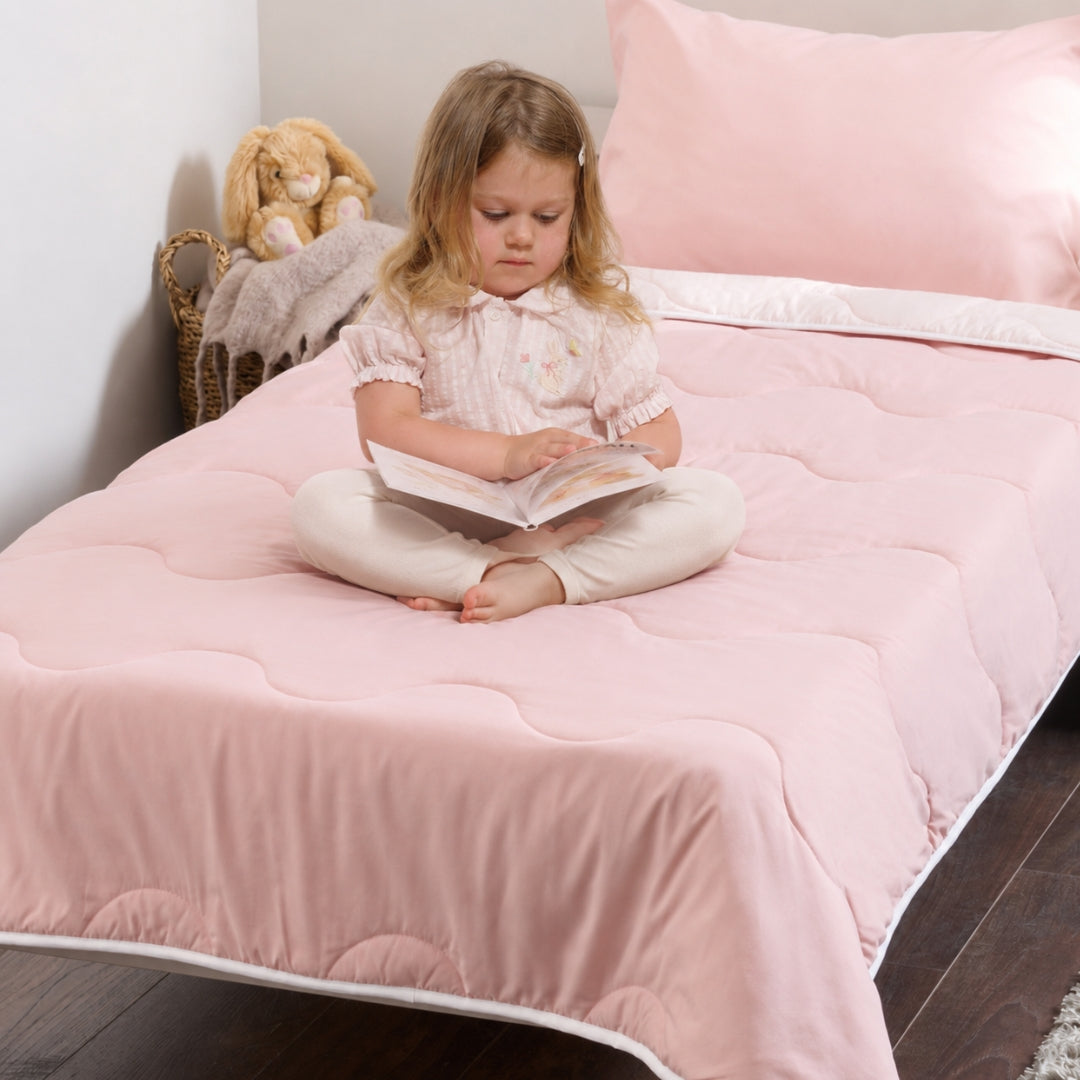
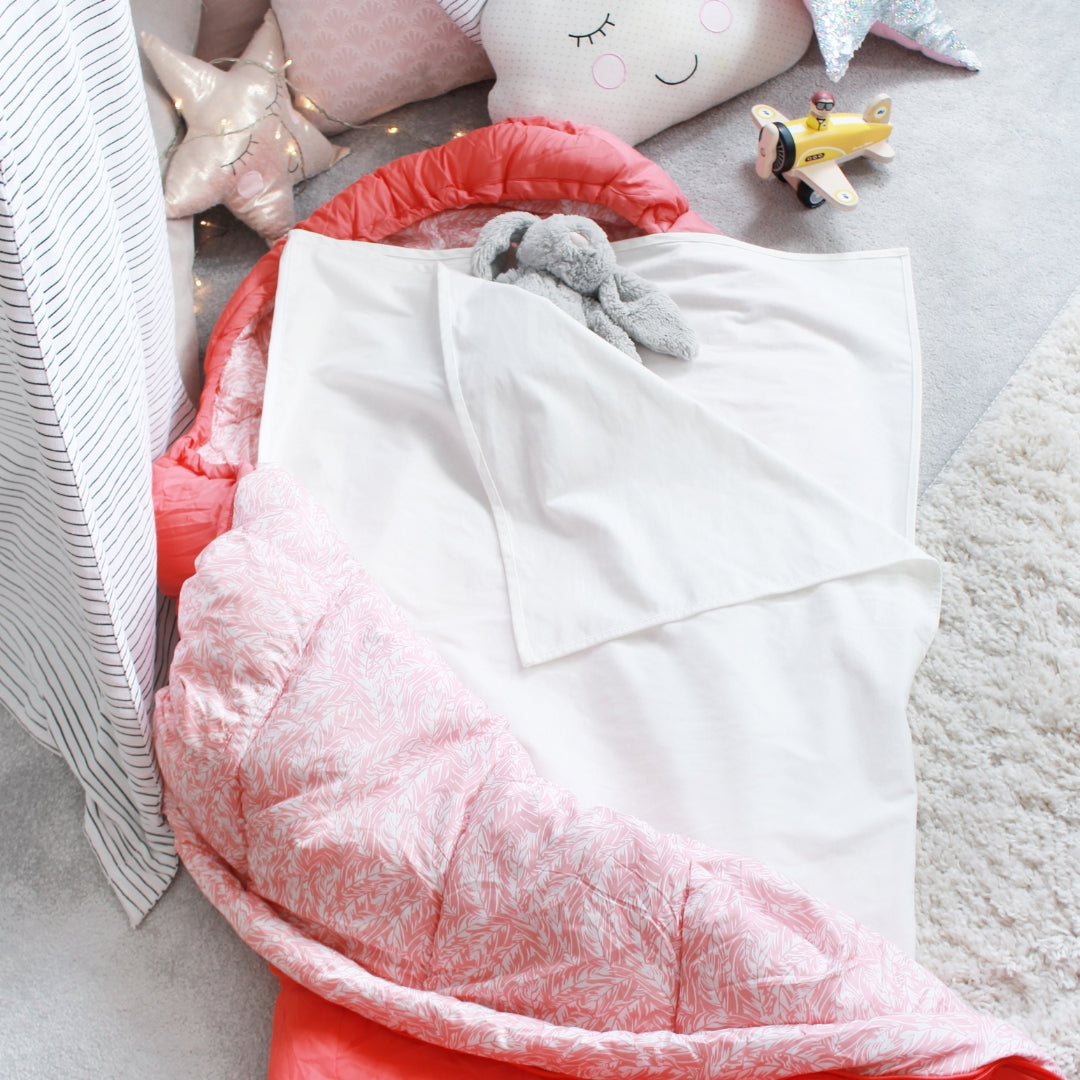
For even easier nights, pair your waterproof bed pad with one of our coverless duvets. The super-soft built-in cover means there's no separate duvet cover to remove after an accident, while the quick-wash, quick-dry design helps get the bed ready again faster perfect for busy families navigating nighttime potty training.
Potty in Your Child’s Room
Having a potty close to your child’s bed makes it much easier for them to get up and go if they need to wee during the night. If the bathroom is too far away or they struggle to reach it in time, this can lead to bed wetting. Placing a potty near their bed ensures they have an accessible option.
Gentle Night Light
Bright lights can wake your child up too much, making it harder for them to fall back asleep. Instead, use a soft night light that provides just enough illumination for them to find their way to the potty or bathroom.
Check out our Nightlights, designed to give a comforting glow that helps children navigate their way to the potty without fully waking up.
Practical Night Clothes
Simple clothing makes a big difference in independence.
Best options:
- Two-piece pyjamas
- Loose-fitting bottoms
- Avoid complex buttons, zips, or onesies
The goal is quick, independent toileting without frustration or delays.
Bedwetting Alarm
If your child is struggling with frequent accidents, a bedwetting alarm can be a useful tool. These alarms detect moisture and gently wake your child as soon as they start to wee, helping them learn to recognise the sensation of needing to go during the night.
Explore our Dri Sleeper Bedwetting Alarm, designed to support nighttime potty training by gradually training your child’s brain to wake up when they need to wee.
What If Nighttime Potty Training Isn’t Working?
Every child is different, and nighttime dryness doesn’t happen overnight. Accidents will happen, and that’s perfectly normal. It’s important to stay patient and supportive throughout the process.
If your child is consistently having more wet nights than dry ones after a week, it might be a good idea to pause nighttime training and try again later. You can continue using pull-ups or nighttime nappies until they show more readiness.
In that case, it’s often best to:
- Pause active training
- Continue with pull-ups or protection
- Reintroduce later when readiness improves
Progress is often non-linear.
When Should You Speak to a GP?
In the UK, it may be helpful to speak to a GP or health visitor if:
- Your child is over 5 and still regularly wetting the bed
- There is a sudden change after being dry
- You suspect constipation or urinary issues
- Bedwetting is causing distress
They may check for common contributors such as constipation, urinary tract issues, or sleep-related factors, and refer to an enuresis clinic if needed.
Final Thoughts
Nighttime potty training a 4 year old is less about instruction and more about supporting natural development while keeping sleep calm and stress-free.
The most effective approach is:
- Watch for readiness, not age
- Avoid pressure or punishment
- Protect sleep and comfort
- Use tools like mattress protection, night lights, and pull-ups when needed
Most importantly, bedwetting at this age is normal and with time, most children naturally grow out of it when their bodies are ready.