

Are you in the midst of potty training or about to start? A common question for parents is, "When will my child stay dry at night?" I remember asking myself this when I began this journey with my daughters.
If you’ve asked yourself this, you’re not alone. Nighttime dryness is often the most unpredictable part of potty training, and every child’s journey looks a little different.
Some children become dry at night shortly after daytime potty training, while others take months or even years longer. This is completely normal and not a reflection of progress or effort. Understanding what’s happening in your child’s body can make the process feel much less stressful.
What Age Do Children Stay Dry at Night?
There is no fixed age when children should be dry at night.
In fact:
- Many children are still wet at night at age 5
- A significant number are not consistently dry until ages 5 to 7
- Some children take longer, and this can still be completely normal
Nighttime dryness depends far more on development than training.
Understanding a Child's Development
Understanding a child’s development can help explain why some kids master nighttime dryness sooner than others. Physiologically, children typically gain control over their bladder during waking hours before they can consistently do so during sleep. This involves the maturation of the nervous system, especially the signals between the bladder and the brain that dictate when it's time to go.
Hormones are another piece of the puzzle. The release of antidiuretic hormone (ADH), which reduces urine production at night, matures at different rates in children. Some kids produce enough of this hormone early on, while others might need more time to reach this milestone. Because these systems develop at different rates, nighttime dryness cannot be fully “trained” in the same way as daytime toileting.
What NOT to Do During Nighttime Potty Training
Avoiding pressure is just as important as encouraging good habits.
Try not to:
- Wake your child regularly to use the toilet
- Punish or shame accidents
- Compare them to siblings or other children
- Rush to remove pull-ups before they are ready
These approaches can increase stress and often slow progress rather than improve it.
Signs That Your Little One Is Nighttime Ready
Spotting signs that your child might be ready for nighttime potty training is crucial:
- Dry Pull-Ups in the Morning: Consistently waking up with dry pull-ups is a promising sign that their bladder is up for the nighttime challenge.
- Nighttime Bathroom Visits: Some kids naturally wake up during the night to visit the bathroom, signaling a level of bladder control necessary for dry nights.
But don't worry, you don't need to rush the process. Pushing your child into nighttime training before they're physically and emotionally ready can lead to frustration and setbacks. Instead, look out for signs and remove the nighttime pull-ups when they are ready.
Practical Tips to Navigate the Night
Once the readiness signs are obvious, follow these practical tips to ease the transition to dry nights:
- Establish a Routine: Encourage regular bathroom visits before bedtime to empty their bladder. Consistency in bedtime routines helps signal to the body that it's wind-down time.
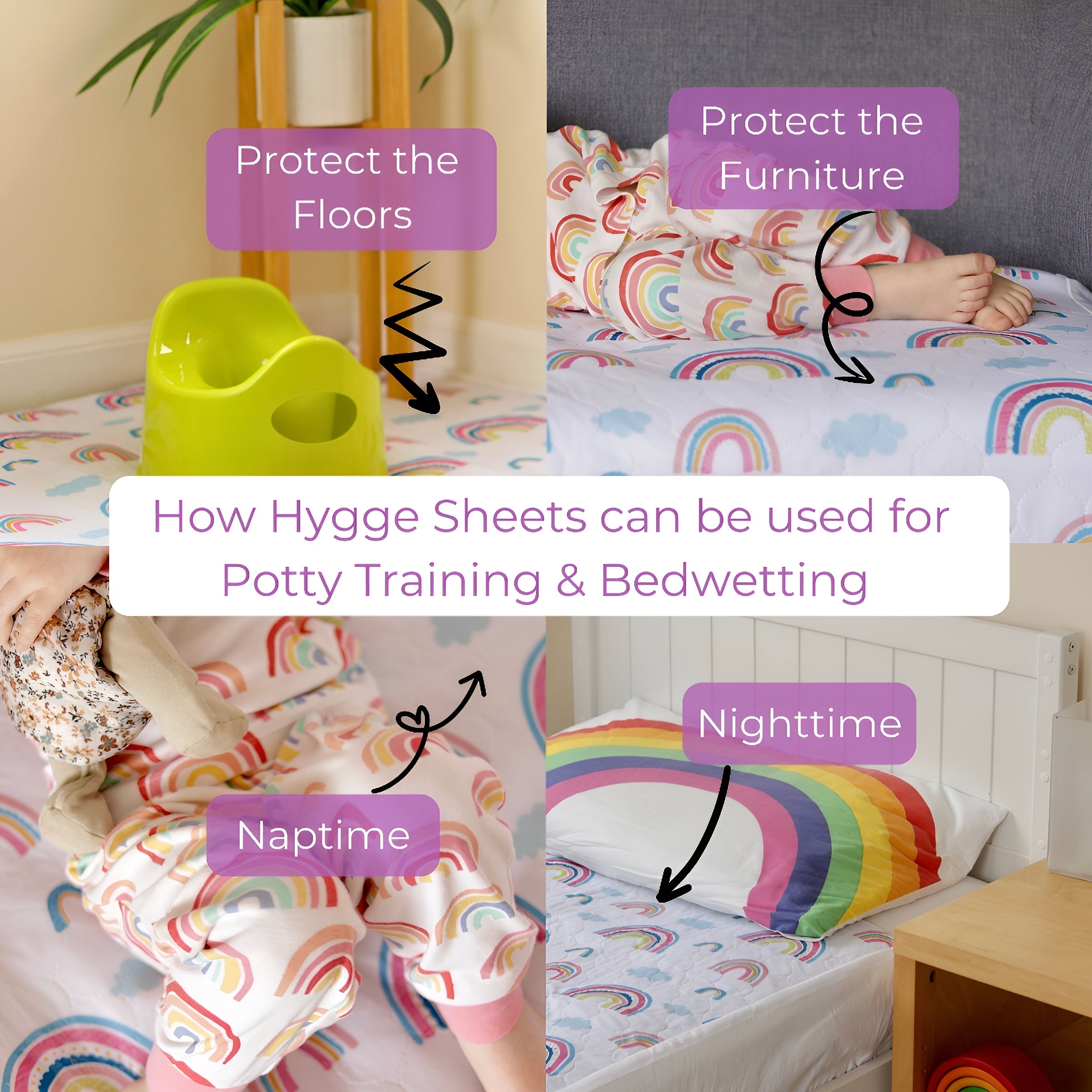
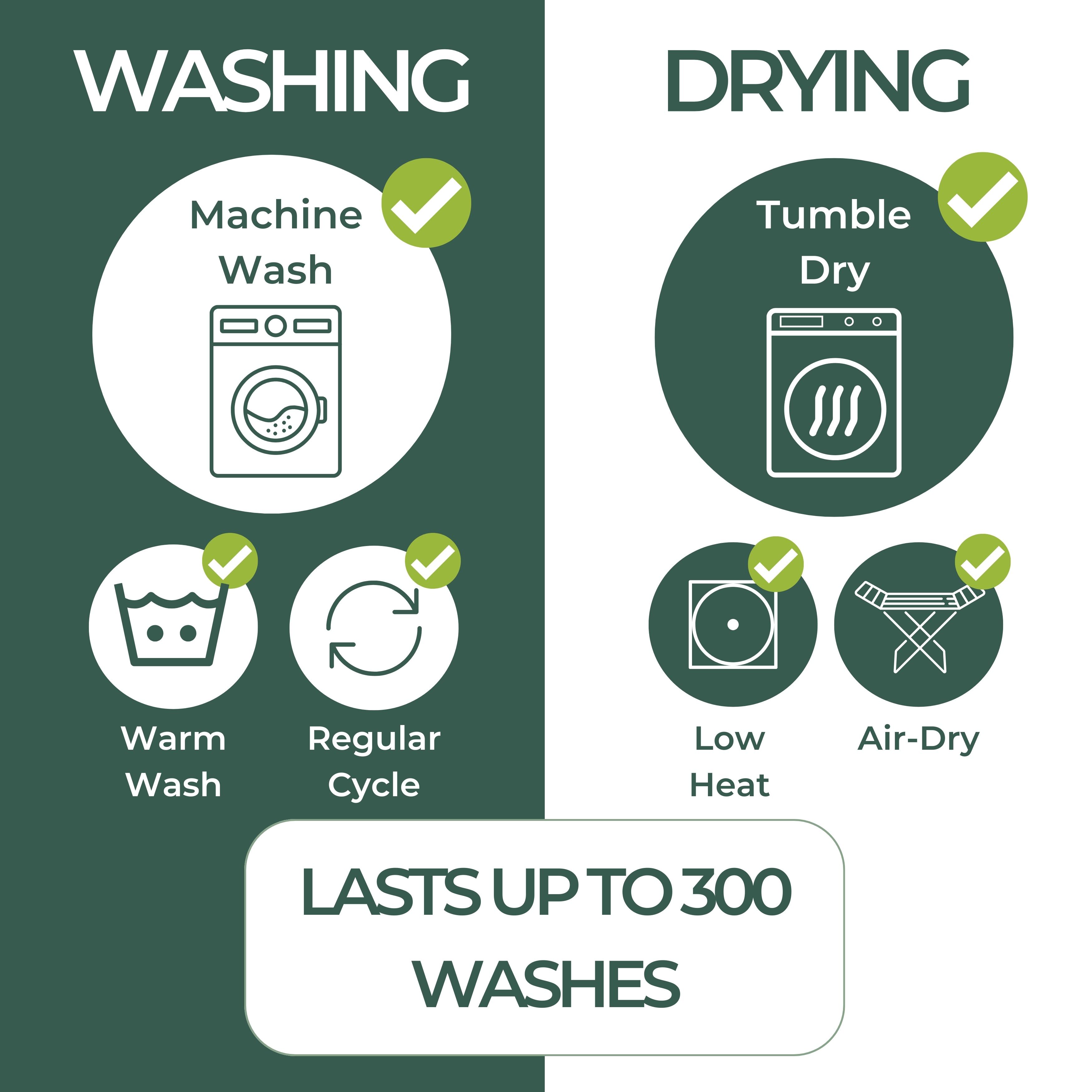
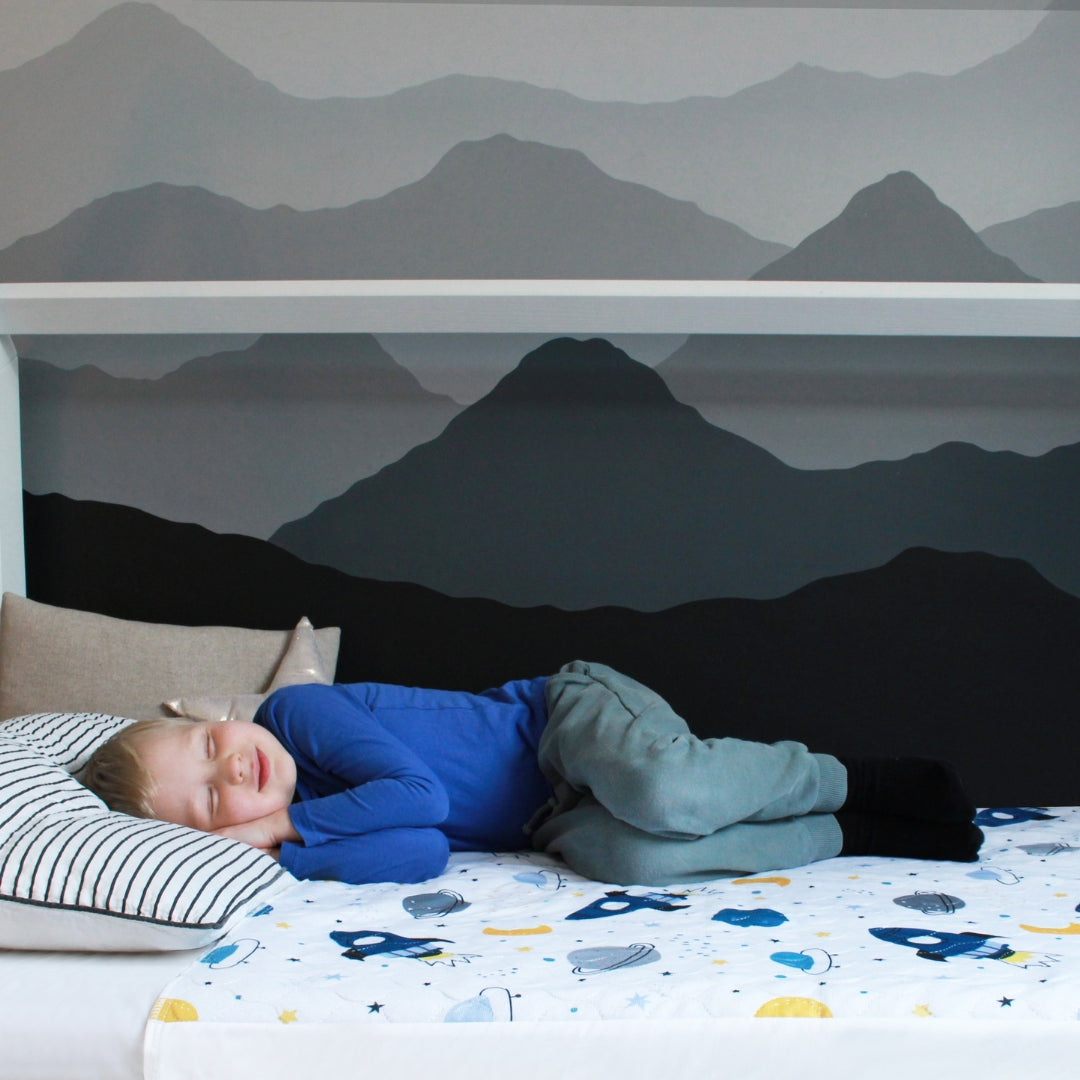
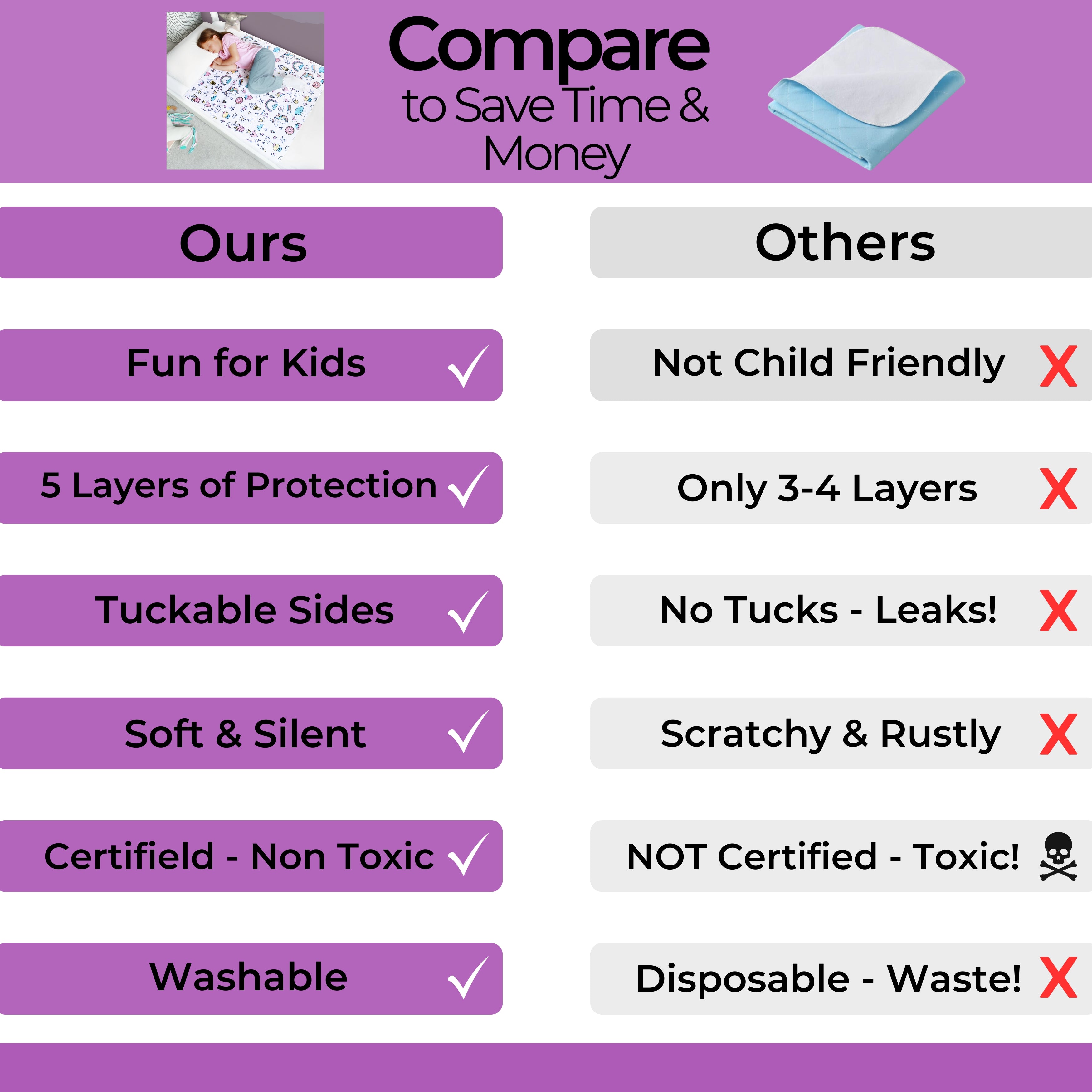
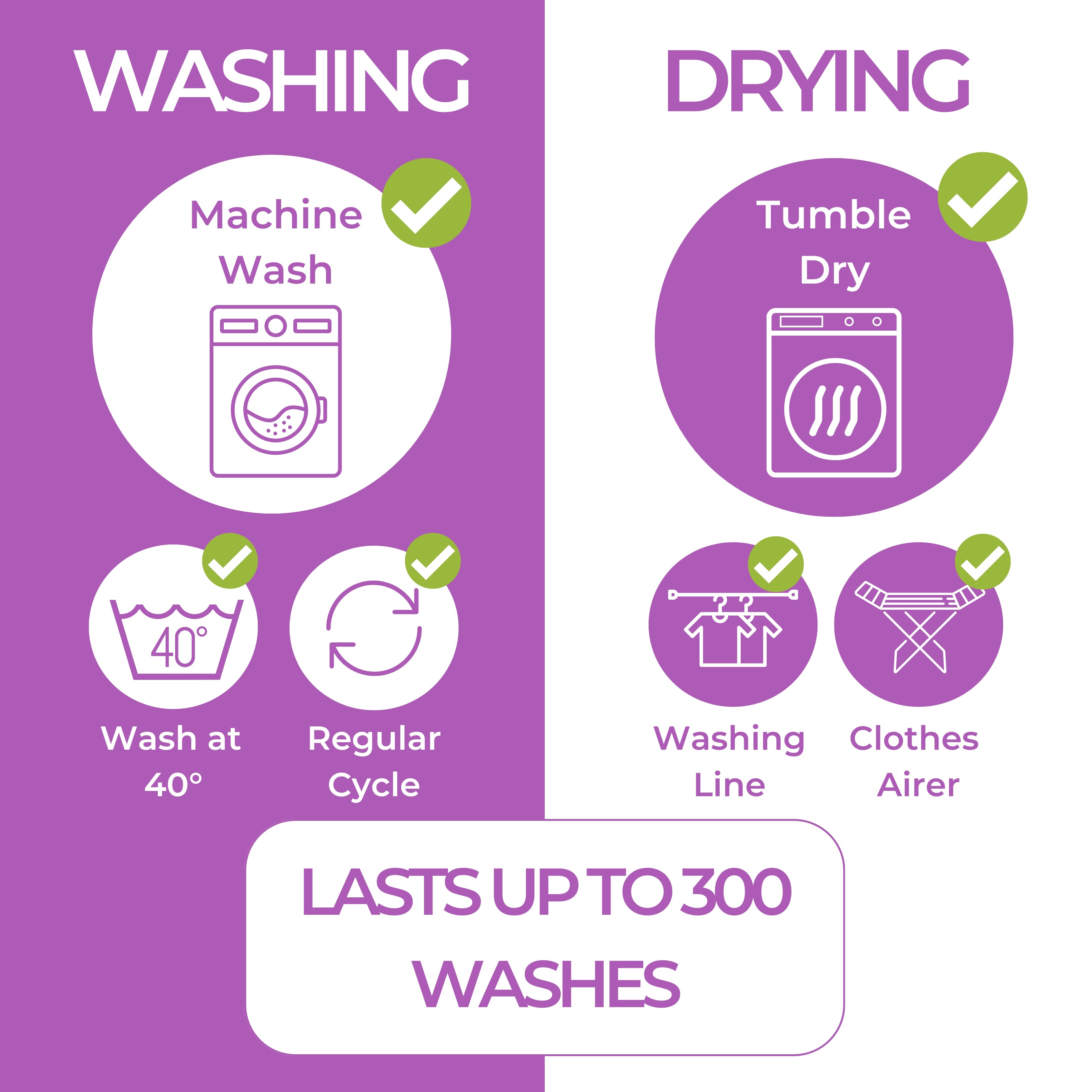
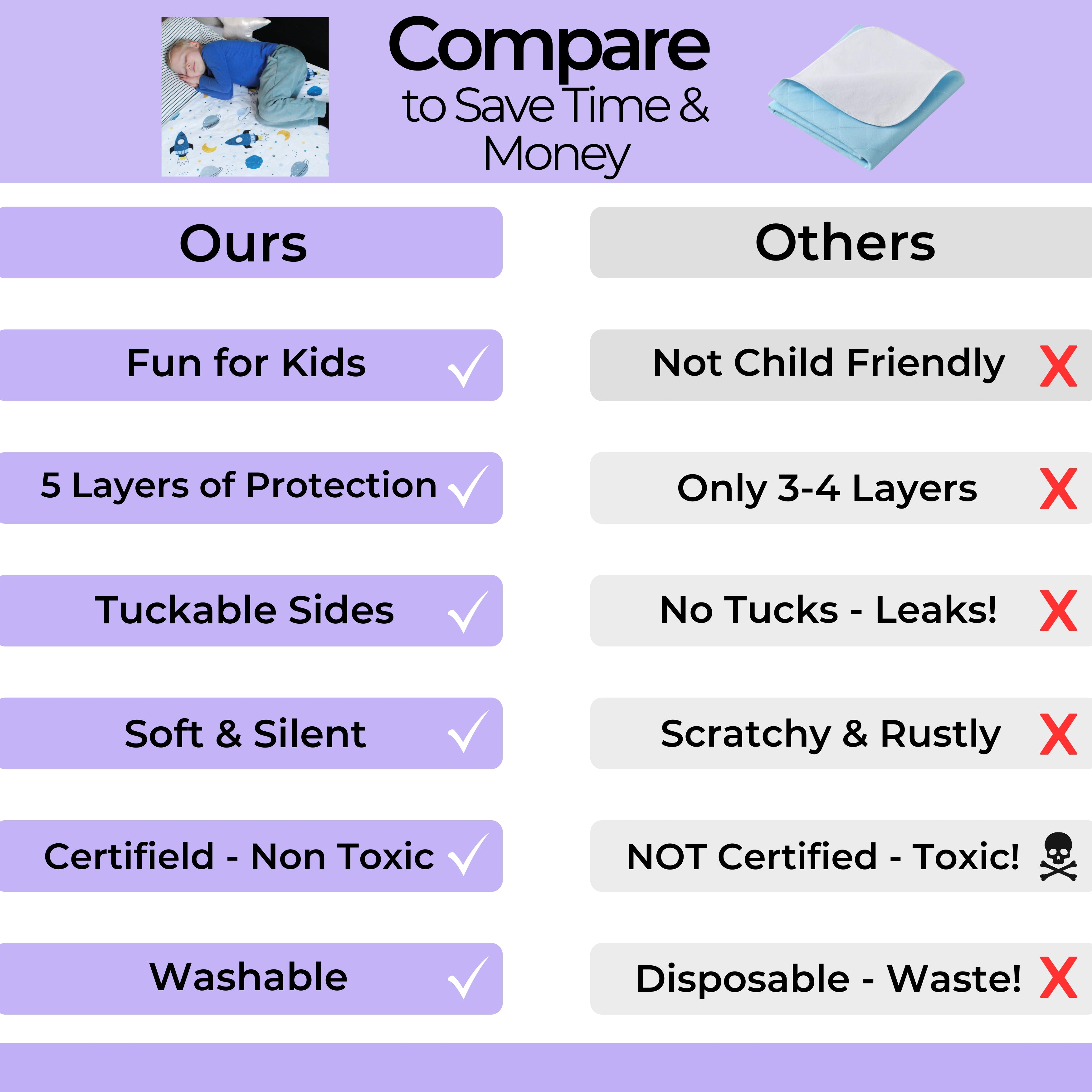
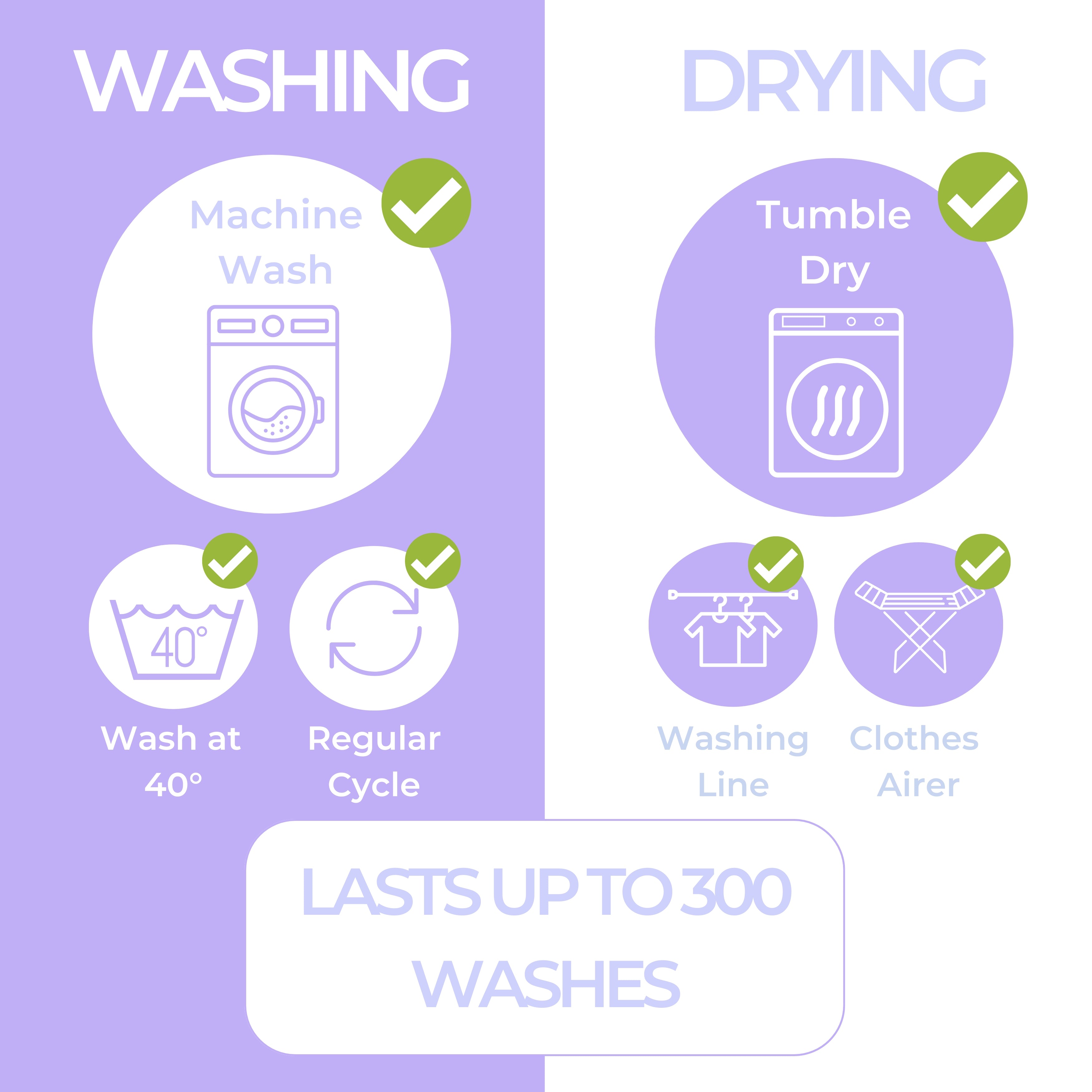
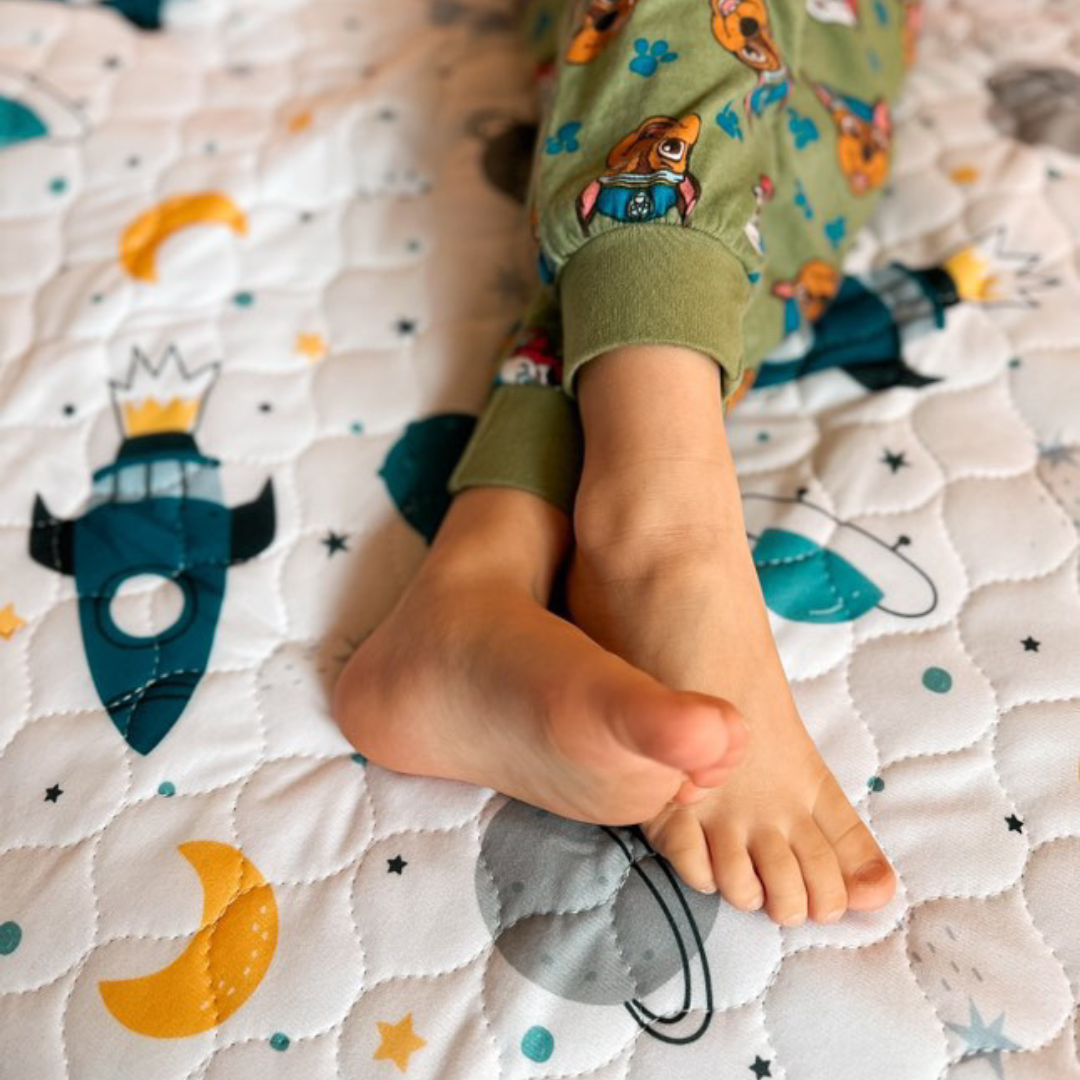
- Invest in Waterproof Bedding: A high-quality mattress protector is essential for managing accidents. Place the Hygge Sheet over your child's fitted sheet for quick and hassle-free removal if it gets wet. With super fun designs for your little ones, they’ll love them too! (And it will save you on washing!)
- Use a Bedwetting Alarm: A bedwetting alarm can help train your child’s brain to wake up when they need to go.
- Consider a Nightlight: Some children feel reluctant to get up in the dark to use the bathroom. A soft nightlight can make it easier for them to find their way.
- Hydration Balance: Keep your child hydrated during the day but taper off liquid intake close to bedtime to minimise the risk of wetting at night.
Embracing the Ups and Downs
Accidents are part of this nighttime journey. Handling these challenges well can make a significant difference:
- Stay Positive: Accidents happen—keep the mood light and reassure your child with heaps of positivity. Steer clear of punishment, and avoid focusing on them becoming “a big boy/girl” as nighttime wetting is often beyond their control.
- Offer a Helping Hand: When accidents happen, remain calm during cleanup. Keep the vibe supportive and remind them that bumps in the road are part of the journey. Download our eBook to help introduce your child to the concept of no pull-ups at night.
- Assess Readiness: If accidents persist or your child seems overwhelmed, it might be wise to pause nighttime training. While it's fine to have another attempt later, try not to have too many attempts within a short space of time, as this can confuse the child and lead to demotivation. It's okay to take a break before trying again. During that break, focus on improving bowel and bladder health by ensuring your child drinks enough throughout the day, avoids holding in wee, visits the bathroom frequently, and rules out any constipation.
Cheers to Progress and Little Victories
Celebrate small wins, like drinking plenty of water during the day or mastering the routine of going to the bathroom before bed. Encourage and support your child. Focus on their efforts and healthy habits, as positive reinforcement builds confidence and helps them develop a healthy bladder.
Summing Up with Support
Navigating nighttime potty training takes time and patience. Every child progresses at their own pace, and there's no universal approach. By listening to your child's needs, providing consistent support, and maintaining a positive attitude, you set the stage for successful dry nights.