















How Hydration Can Affect Adult Bedwetting
When the weather gets warmer, routines change or you go away, staying hydrated becomes even more important. Longer days, higher temperatures and spending more time outdoors can all mean reaching for a glass of water more often.
For adults who experience bedwetting, or those who care for someone who does, changes in fluid intake during the warmer months can sometimes make managing nights a little more challenging.
The impact of nighttime wetting can extend far beyond the practicalities of changing a bed. In a recent survey we conducted of people living with incontinence or caring for someone who does, 88% said incontinence had affected their sleep, while 49% said their sleep was disrupted every night.
But staying hydrated is still important. The answer isn't to avoid drinking enough during the day. Instead, understanding how fluids, timing, sleep and bladder habits can work together can help you make informed choices about managing your nights.
Why is hydration important for adults?
Good hydration supports many essential body processes, including temperature regulation, digestion and the normal function of the kidneys and bladder. During hot weather, we can lose more fluid through sweating, so it's particularly important to replace what the body loses.
It is recommended that people aim for around 6 to 8 cups or glasses of fluid a day, although you may need more when the weather is hot or you're physically active.
For someone who experiences bedwetting, it can sometimes feel tempting to reduce fluids significantly to try to prevent an accident overnight. However, regularly restricting fluids isn't a good solution. In fact, health providors advise that not drinking enough can result in more concentrated urine, which may irritate the bladder and contribute to incontinence.
Can drinking more water cause bedwetting?
Drinking fluids doesn't necessarily cause adult bedwetting, but the amount and timing of your fluid intake can affect how much urine your body produces. Having a large amount of fluid shortly before bed can increase the amount of urine in your bladder overnight. For someone already experiencing nocturnal enuresis, this may make nighttime urination or an accident more likely.
This doesn't mean you should stop drinking in the evening altogether. Instead, try to drink regularly throughout the day rather than consuming a large proportion of your daily fluids just before bed.
It's also worth remembering that bedwetting can have many different causes. Changes in sleep, bladder function, medication and certain underlying health conditions can all play a role.
Why can summer make nighttime wetting harder to manage?
Summer can bring changes to everyday routines that may affect sleep and bladder habits. For example:
-
Drinking more fluids because of the hot weather.
-
Later evenings with longer daylight hours can mean later meals, drinks and bedtimes.
-
Changes in routine due to holidays, family visits, travel and time away from home.
-
Different sleep patterns and warmer nights can make it harder to get comfortable and sleep well.
-
Alcohol and caffeine during summer socialising can sometimes mean consuming more drinks that may affect bladder habits or sleep.
These changes don't mean that bedwetting will necessarily become worse during summer, but being aware of them can help you identify anything that may be affecting your nights.
What if you're caring for someone who wets the bed?
Supporting someone with adult bedwetting can involve more than simply helping them manage the physical side of it.
Our survey found that 63% of respondents were caring for someone else, with the majority being unpaid carers. The impact of incontinence also extended beyond sleep, with 74% saying it had affected their social life, 56% their physical health and 53% their mental health. For carers, disrupted nights can be particularly difficult. Nearly half of everyone surveyed said their sleep was disrupted every night because of incontinence or caring responsibilities.
It's important to approach the subject with patience, dignity and understanding. Bedwetting can feel embarrassing or upsetting, particularly when someone feels that they have little control over it. We have written a blog on how to overcome bedwetting shame as an adult, which you may find useful.
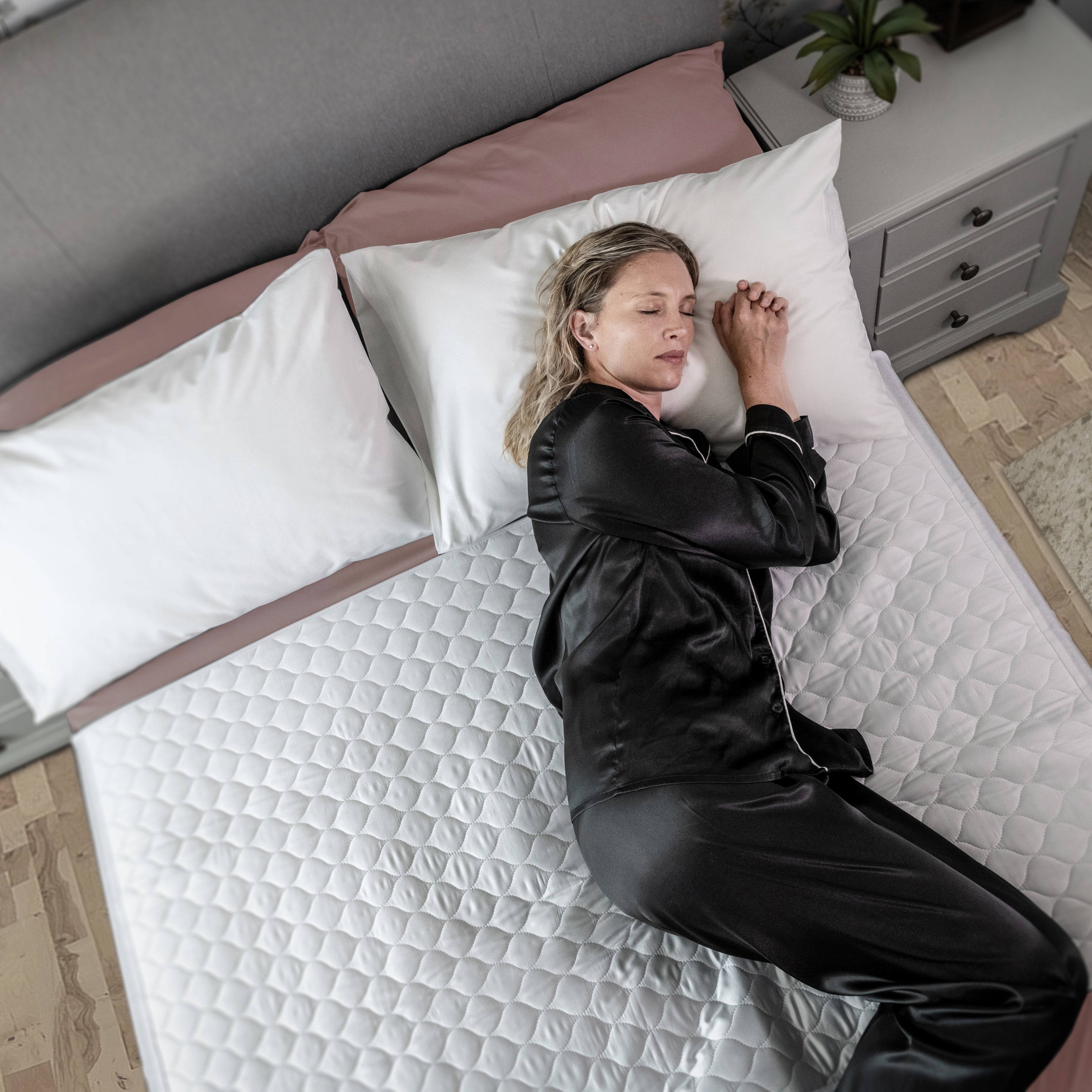
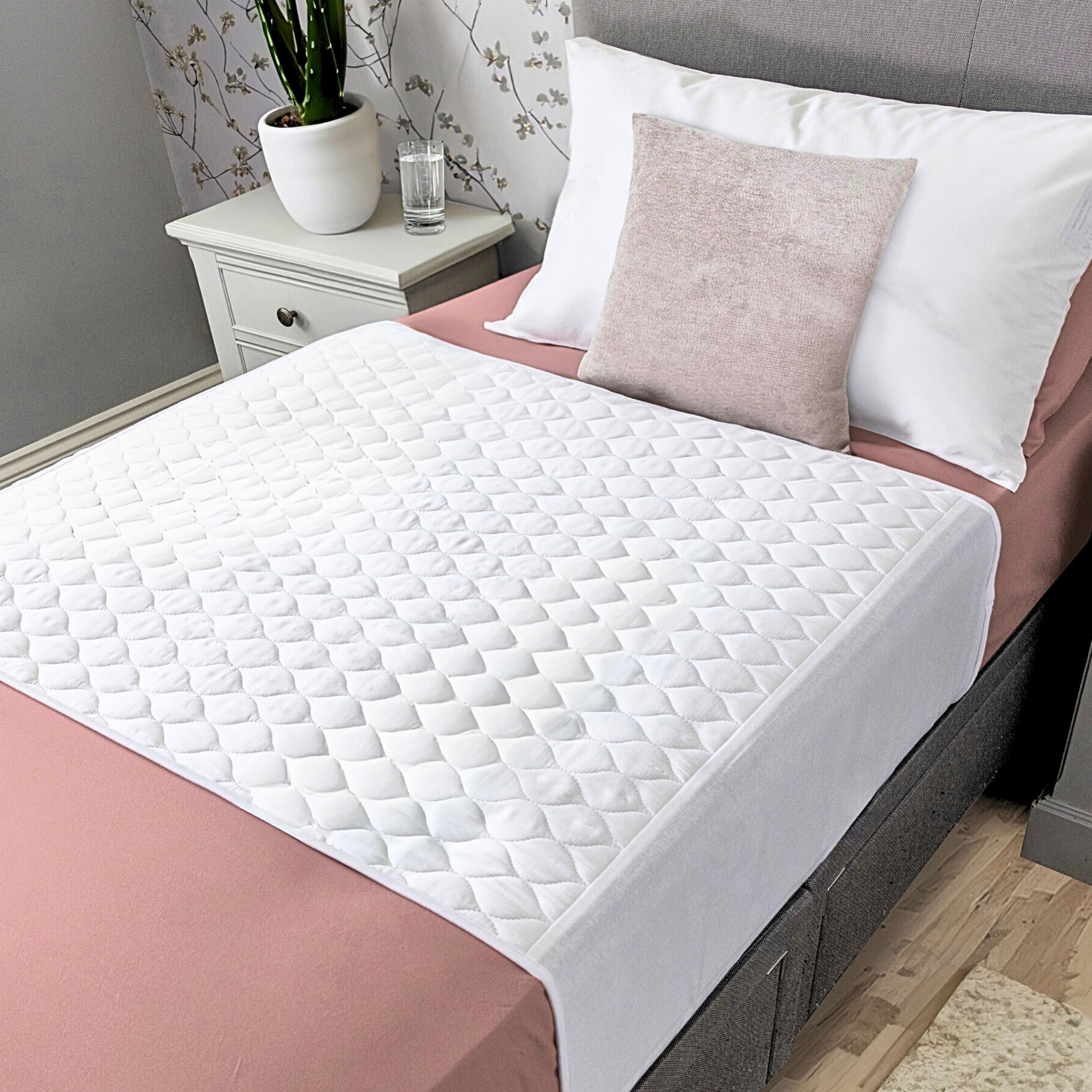
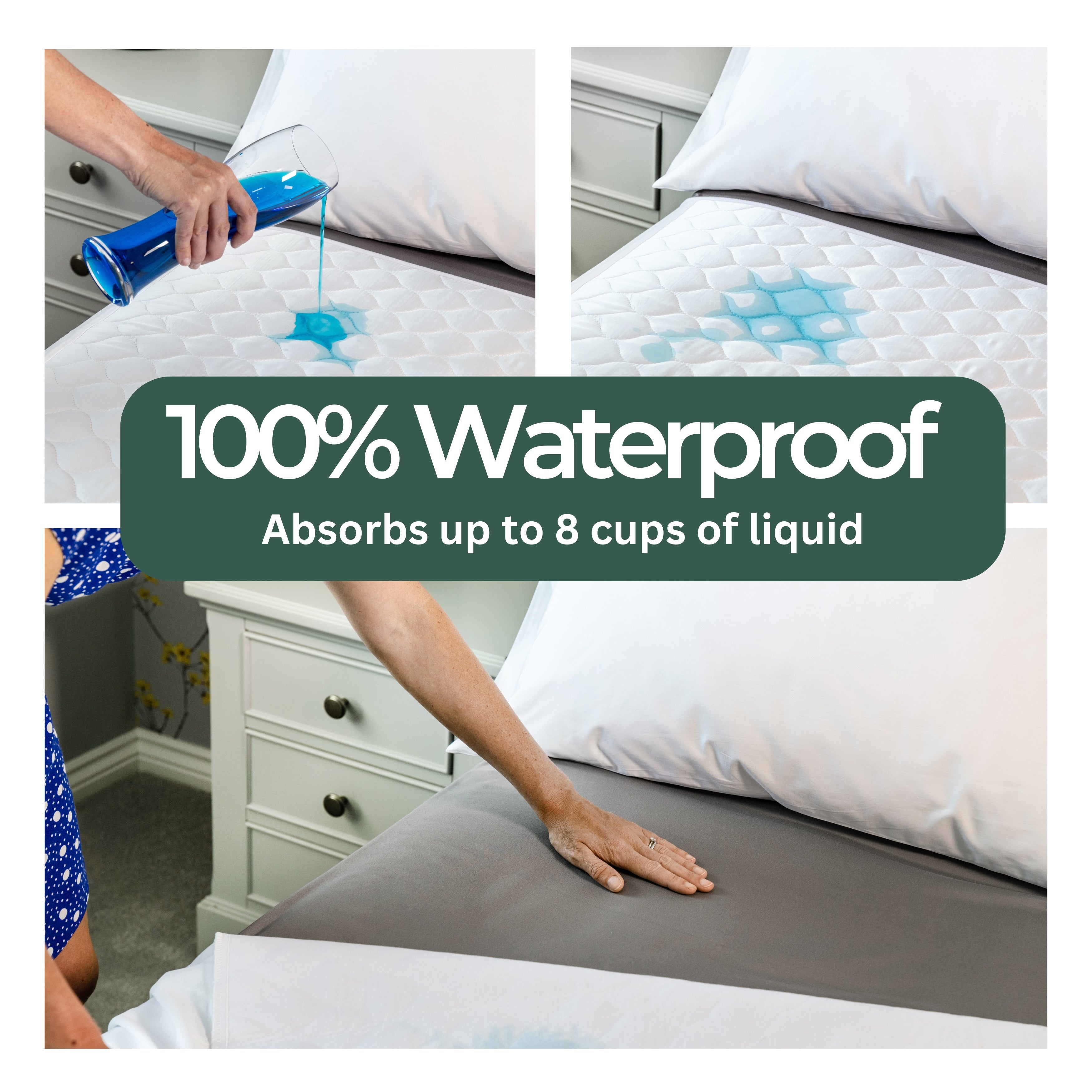
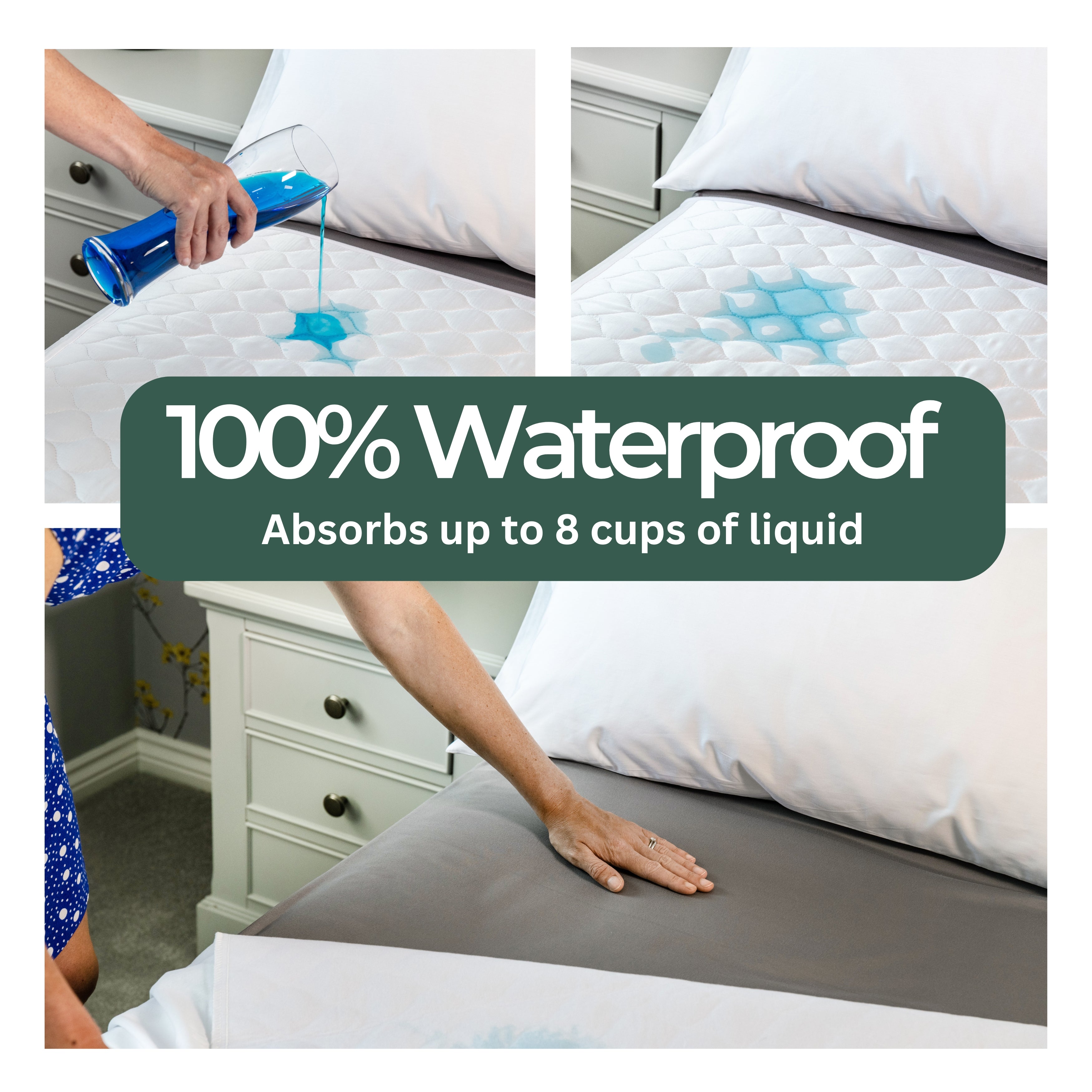
Rather than encouraging someone to stop drinking, focus on helping them stay hydrated while creating a comfortable and practical nighttime routine. Simple measures can also make accidents less stressful. Waterproof bed protection, for example, can help protect the mattress and make changing the bed quicker and easier.
For carers, having the right protection in place can mean less time worrying about the washing and more time focusing on the person's comfort and wellbeing.
Making summer nights easier
If bedwetting becomes more difficult to manage during warmer weather, don't feel that you have to simply put up with it.
Start by looking at any changes to your routine. Are you drinking more in the evening because of the heat? Going to bed later? Sleeping differently? Spending more time away from home?
Keeping a simple record of drinks, bedtime and nighttime wetting may help you spot patterns. Remember, staying hydrated is important. Managing bedwetting shouldn't mean avoiding the fluids your body needs.
The impact of incontinence can also extend well beyond the night. In our survey, 74% said it had affected their social life, 38% their relationships and 39% their finances. These findings highlight that incontinence can be a 24-hour issue, affecting sleep, daily routines and quality of life, not simply something that happens at night.
If you experience bedwetting as an adult, particularly if it is new or has changed, it's worth speaking to your GP. There can be a number of underlying causes, and getting the right advice can help identify what may be contributing to it.
Practical support for better nights
Whether you're experiencing adult bedwetting yourself or supporting someone who does, having practical protection in place can help take some of the stress out of managing accidents.
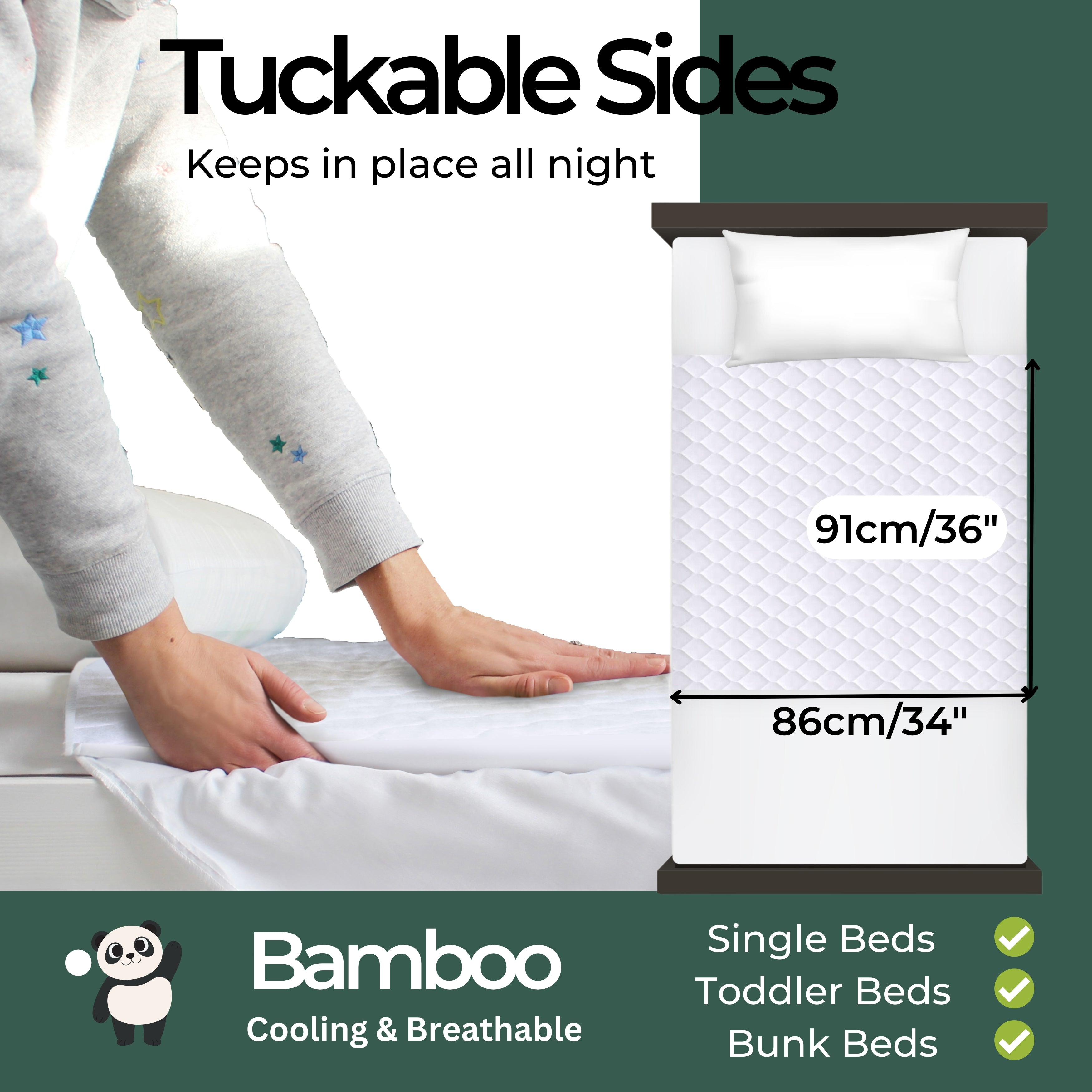
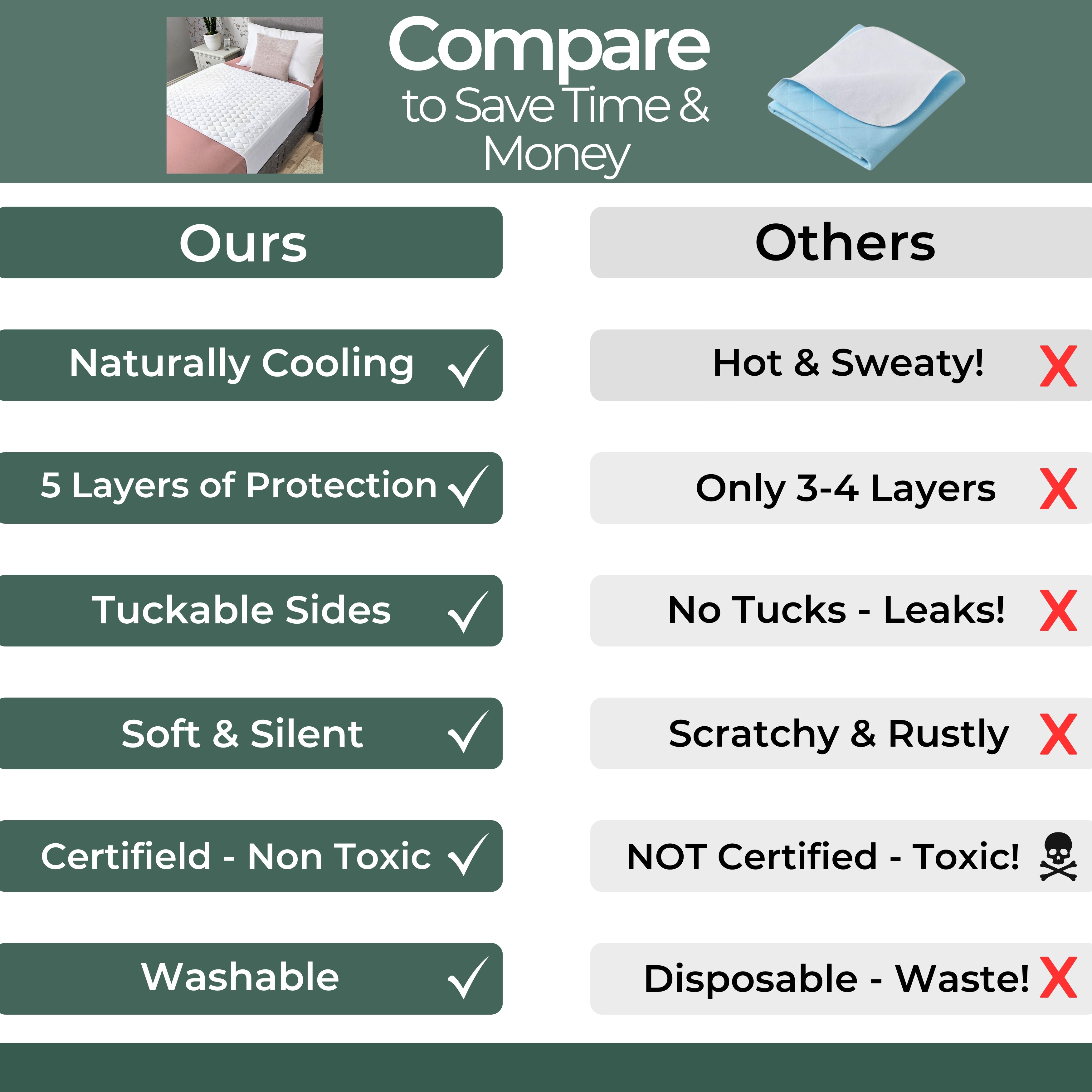
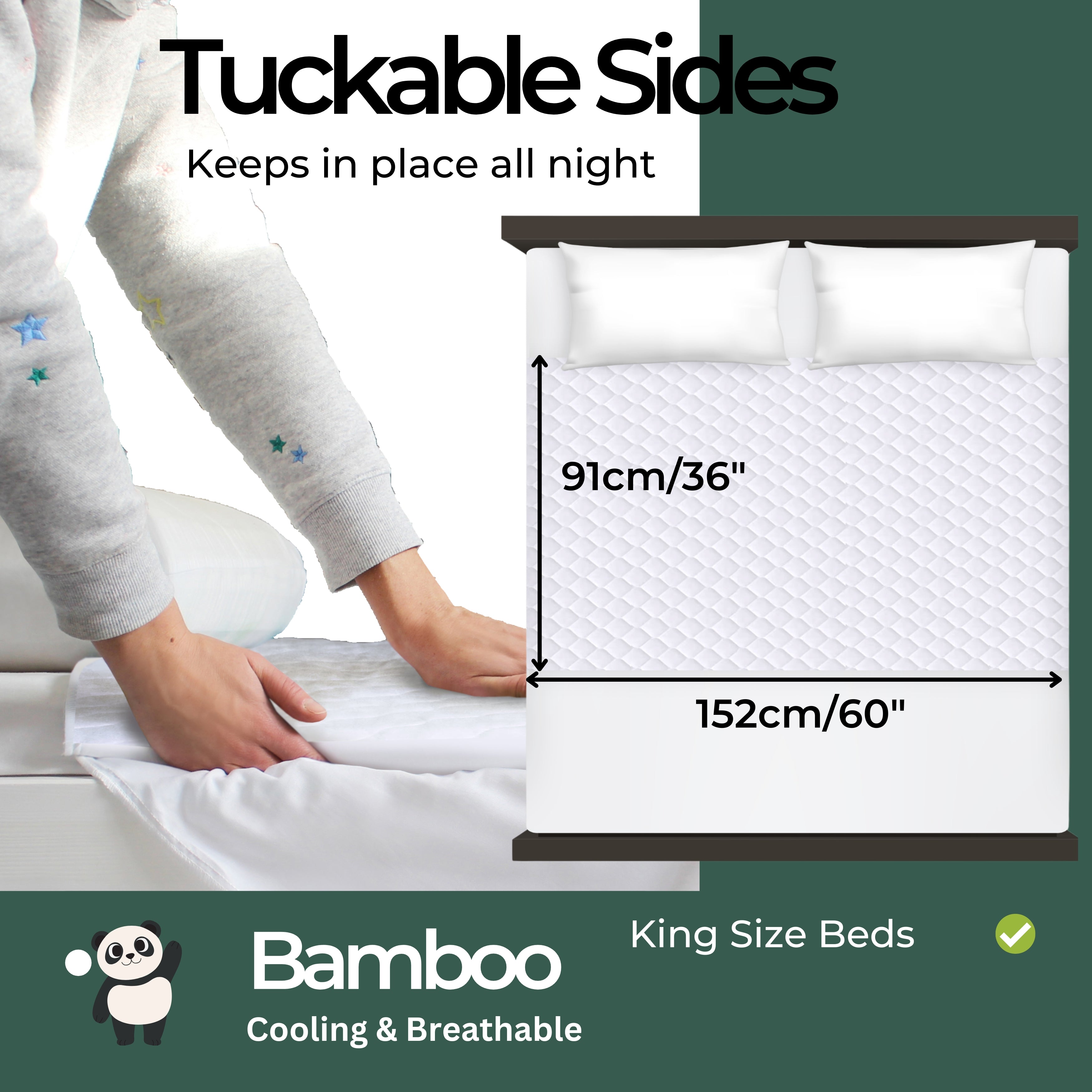
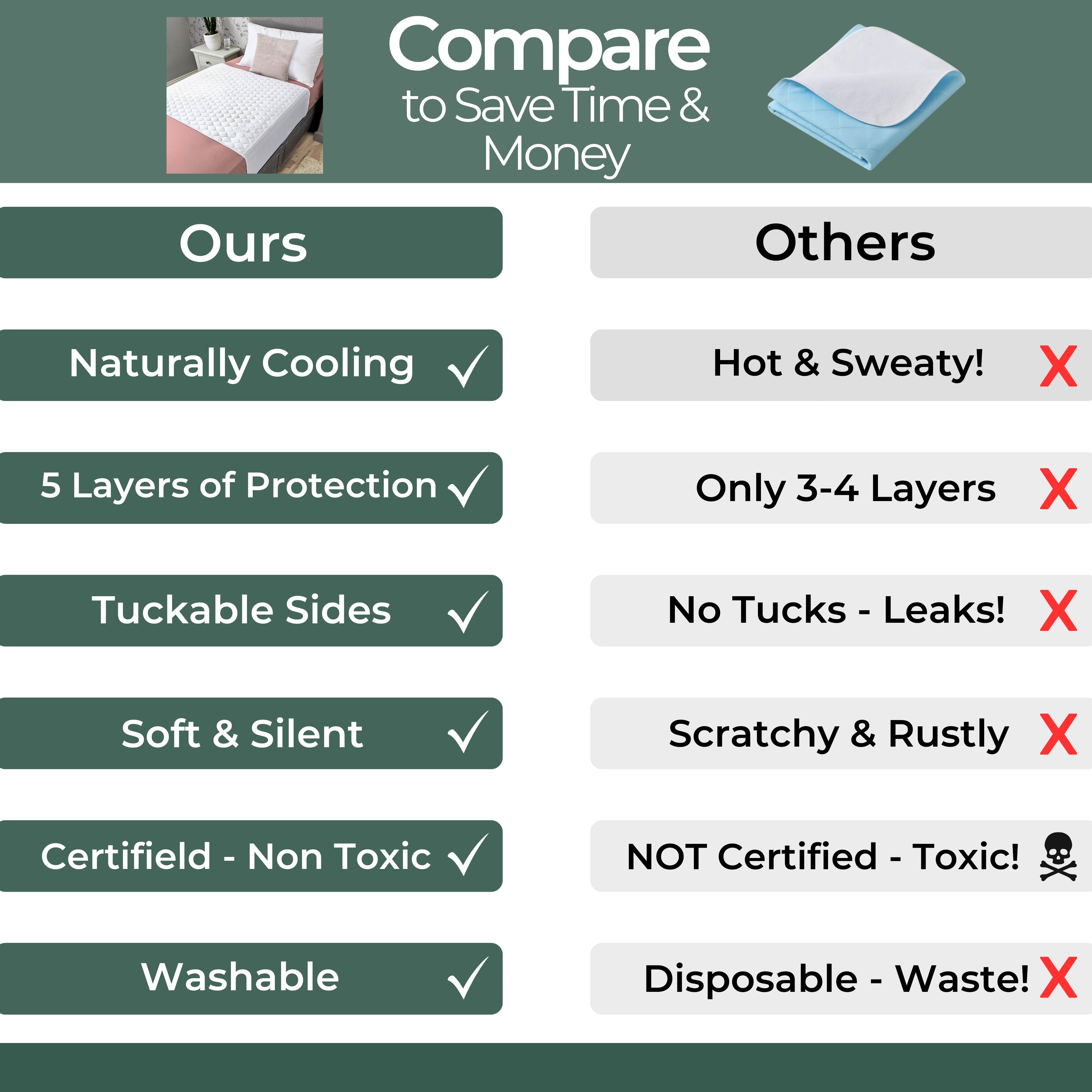
A waterproof bed sheet can help protect the mattress while providing a discreet and comfortable layer between the sleeper and the bed.
With the right combination of healthy hydration, practical routines and suitable bed protection, summer nights can feel much more manageable.
