























Key Signs and When to Seek Help in the UK
Adult bedwetting, also called nocturnal enuresis, can feel isolating but it’s more common than many people realise, and often manageable. In the UK, NHS guidance recommends starting with lifestyle adjustments, while also recognising when medical assessment is necessary.
This guide explains signs that adult bedwetting may improve with lifestyle changes, shares evidence based strategies, and outlines when to seek help from a GP or specialist.
Understanding Adult Bedwetting
Adult bedwetting can start due to a range of factors:
-
Lifestyle habits, including fluid intake, alcohol, and caffeine
-
Sleep patterns, such as deep or irregular sleep
-
Medical conditions, including UTIs, diabetes, overactive bladder, or sleep apnoea
-
Post-surgery recovery, particularly after prostate surgery in men
-
Neurological conditions or bladder dysfunction
While occasional episodes may not be serious, frequent or sudden bedwetting should always be assessed. Bladder and Bowel UK report that primary enuresis affects 1-2% of all adults.
Signs Bedwetting May Improve With Lifestyle Changes
Lifestyle adjustments can dramatically reduce or eliminate episodes for many adults. Look for these signs:
-
Episodes are infrequent or trigger based – often linked to evening drinks, caffeine, or alcohol.
-
Clear lifestyle triggers exist – stress, irregular sleep, or bladder irritants.
-
Simple adjustments reduce episodes – timed voiding, before bed routine, or bedtime alarms.
-
No daytime symptoms – no leakage or urgency while awake.
-
Otherwise healthy – no chronic conditions or medications affecting bladder function.
Lifestyle Strategies That Often Help
Many adults find that practical, consistent lifestyle and behavioural changes can significantly reduce bedwetting episodes. While results may not be immediate, building a routine and sticking to it often leads to noticeable improvements over time.
Evening Routine
Evening habits play a key role in reducing night time bladder pressure. Limiting fluids two to three hours before bed helps prevent the bladder from becoming overly full overnight. It’s also important to avoid caffeine and alcohol in the evening, as both can increase urine production and irritate the bladder. Some herbal teas can also act as diuretics, so it’s worth being mindful of these as well. A simple but effective approach is to keep a drink diary for a few nights to spot patterns and identify triggers that may be contributing to bedwetting.
Bladder Training
Bladder training focuses on improving control and increasing bladder capacity. This typically involves emptying your bladder at regular intervals during the day, usually every two to three hours, rather than waiting until urgency builds. Always using the toilet before going to bed is another important step. In addition, pelvic floor exercises (Kegels) can help strengthen the muscles responsible for bladder control. Keeping a bladder diary to track fluid intake, urination times, and any episodes can provide valuable insights and help monitor progress over time.
Sleep & Bladder Training
Good sleep habits can have a direct impact on bedwetting. Maintaining a consistent sleep schedule helps regulate your body’s natural rhythms, including those that affect bladder function. It’s also important to develop healthy daytime toilet habits both going too infrequently and going too often (just in case) can affect how the bladder learns to hold urine properly.
Some individuals benefit from setting gentle nighttime alarms to wake and use the toilet. Creating a bedroom environment that is dark, quiet, and cool can support deeper, more restorative sleep. It’s also advisable to avoid heavy meals late in the evening, as these can sometimes contribute to increased nighttime urination.
Stress Management
Stress and anxiety can interfere with the signals between the brain and bladder, increasing the likelihood of night time accidents. Incorporating relaxation techniques such as mindfulness, deep breathing, or yoga into your evening routine can help calm the nervous system. For those dealing with ongoing anxiety related to bedwetting, cognitive behavioural therapy (CBT) may be a helpful option. Even setting aside five to ten minutes before bed to unwind can reduce stress levels and improve overall sleep quality.
General Health and Lifestyle
Overall health plays an important role in bladder function. Maintaining a healthy weight, exercising regularly, and managing chronic conditions such as diabetes or sleep apnoea can all contribute to better control. It’s also important to review any medications with your GP, as some can affect bladder activity or increase urine production. In most cases, combining several lifestyle changes tends to be more effective than relying on a single adjustment.
Practical Support Tools
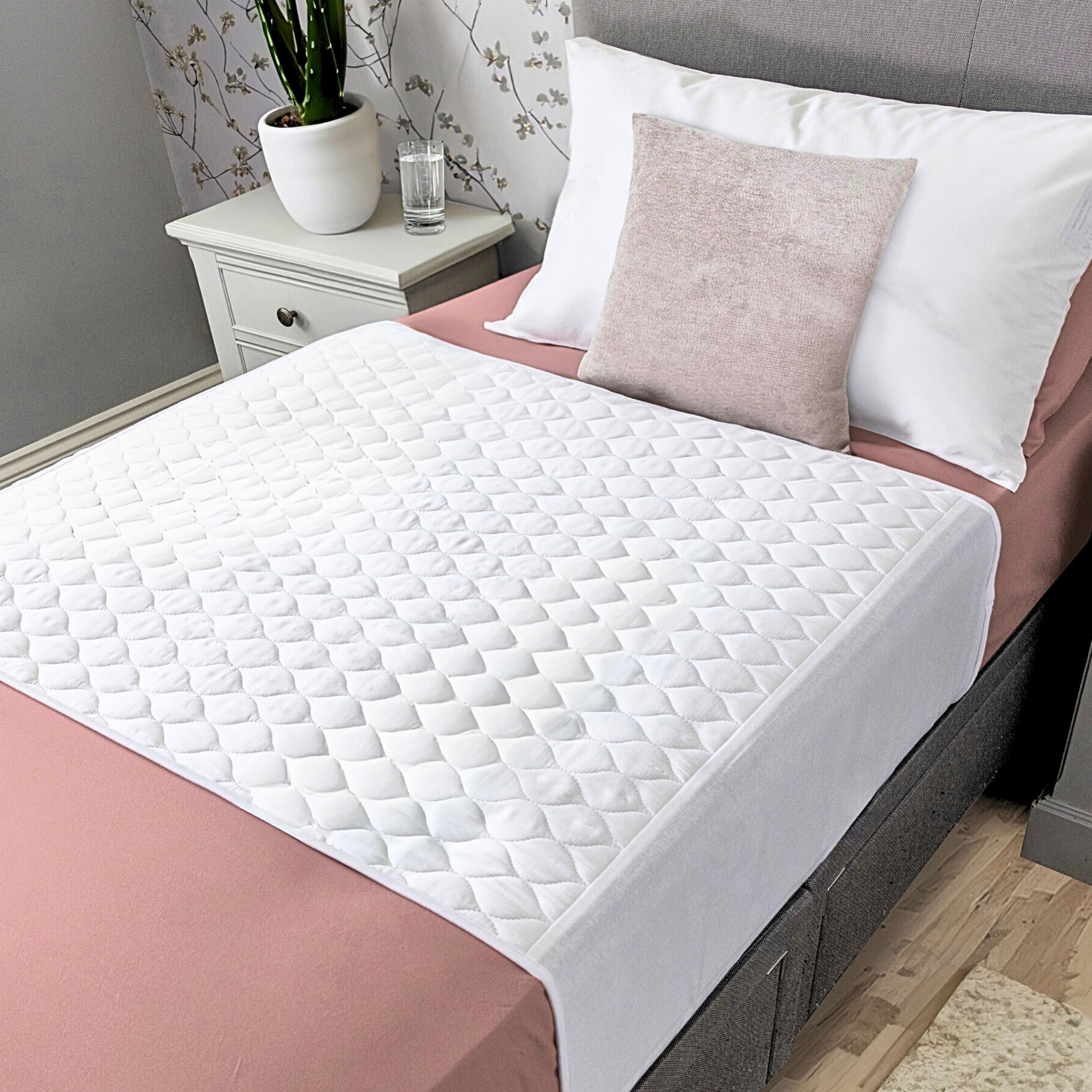
Practical support tools can make a significant difference while you’re implementing lifestyle changes. Absorbent bed pads or waterproof mattress protectors can help protect your bedding and reduce anxiety around accidents. Bedwetting alarms are another useful option, as they detect moisture and gradually train the brain and bladder to respond more effectively over time. Using these supportive products alongside behavioural strategies can improve confidence and make the process feel far more manageable.
Hygge Sheets Review:
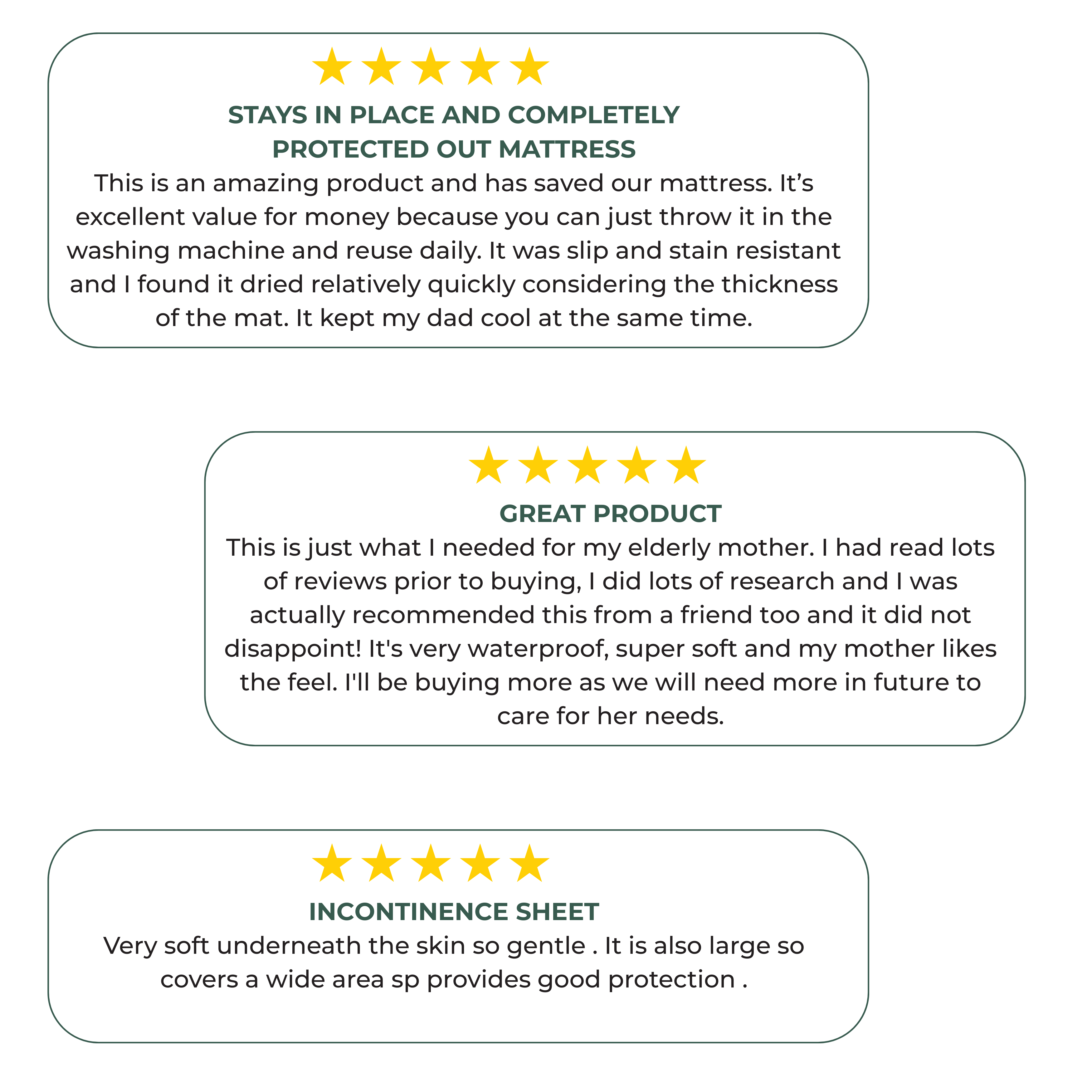
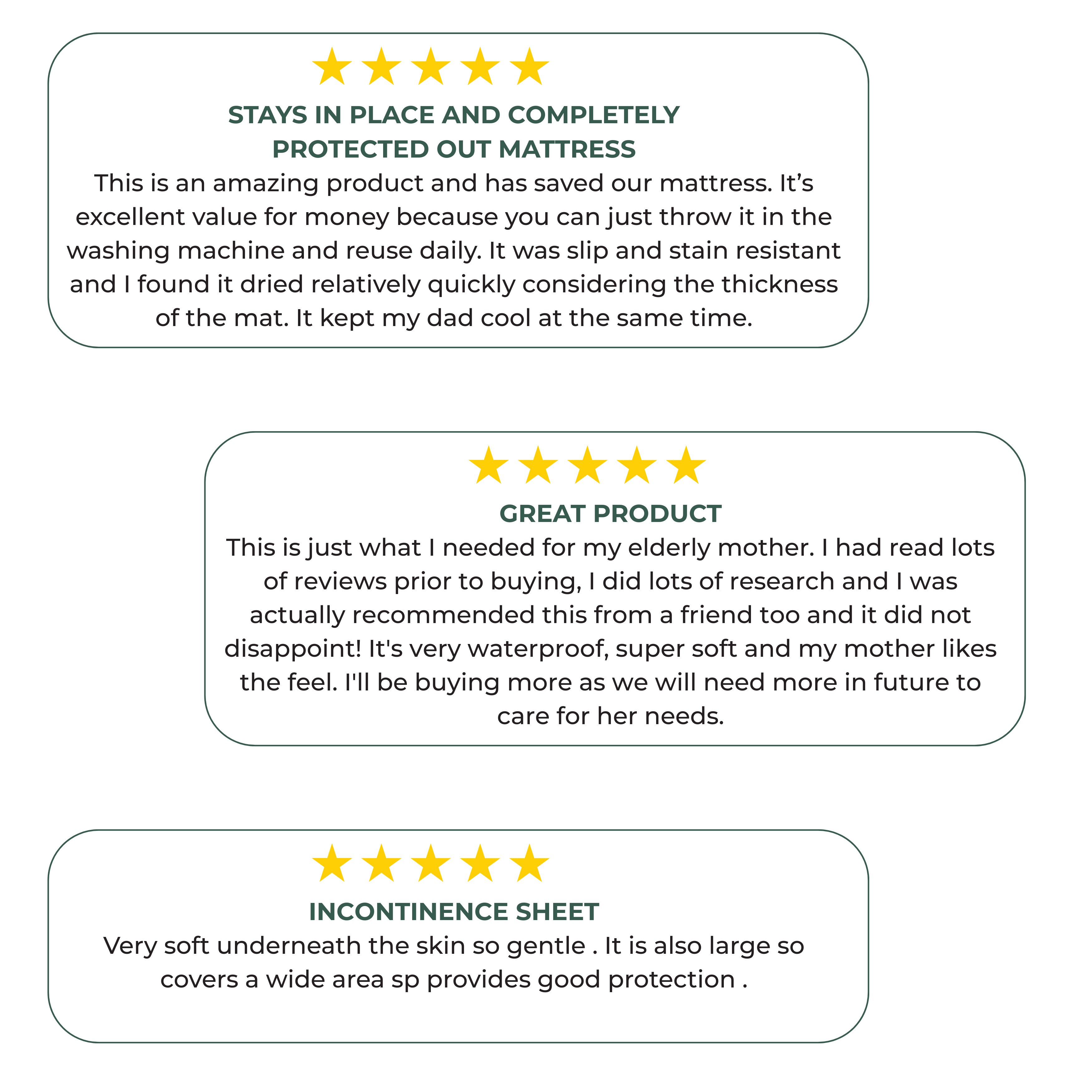
“Purchased two Organic Bamboo Waterproof Mattress Protector’s, for my return home from hospital after major surgery for cancer. Even though I’ve had a waterproof protector fitted on top of my Tempur mattress for several years; these mattress protectors are fitted on top of the bedding which makes it much quicker and simpler. So far so good, comfort has been excellent. Overall I’m delighted to have found these mattress protectors, which for the price offers amazing quality, comfort and fantastic reassurance protection, whilst I undertake my recovery from surgery.”
When to Seek Medical Help
Even with lifestyle strategies, according to the NHS medical assessment is important if you notice:
-
Sudden adult bedwetting – may indicate infection, diabetes, sleep apnoea, or neurological issues
-
Frequent or persistent episodes – more than once or twice a week
-
Additional urinary symptoms – pain, burning, urgency, or daytime leakage
-
Post-surgery recovery issues – especially after prostate or bladder surgery
-
Impact on mental health or quality of life
A UK GP or urologist may perform:
-
Medical history and bladder diary review
-
Urinalysis and blood tests
-
Bladder scans or urodynamics
-
Medication review
Severe or persistent cases may benefit from specialist interventions, including pelvic floor exercises, medication, or surgical options.
Follow our Instagram page for more helpful tips and advice.
