

























A Guide To Help You And Your Family
Starting school is a huge milestone for both you and your kids. With new routines, new teachers, new friends and lots of exciting things to adjust to. But for some families, starting school can also bring worries about bedwetting.
One of the biggest misconceptions is that a child needs to be dry at night before they start school. This isn't true! Being out of nappies or pull-ups during the day does not mean a child will automatically be dry at night.
Nighttime dryness is a completely different stage of development, and for some children it can happen years after daytime potty training.
Nighttime Dryness Doesn't Always Happen Before School
I know this from personal experience because neither of my own children were dry at night when they started school.
My eldest is summer born, so she started school just a few days after turning four. She had been potty trained during the day from the age of two, but nighttime dryness came much later. She was 5 years and 8 months before she was consistently dry at night.
My youngest was one of the oldest in her year and started Reception at nearly five. She had also been potty trained during the day at around two, but at 6 she still wasn't completely dry at night. With support, she became dry at 7 so it didn't happen naturally for her.
So, despite both children being confidently toilet trained during the day, neither followed the idea that they should automatically be dry at night before starting school.
And that's completely okay! There is a lot of media at the moment about making sure a child is out of nappies before starting school, but this does not apply to nighttime dryness. This is very different!
Nighttime bladder control develops differently from daytime bladder control. For a child to stay dry overnight, their body needs to produce less urine while they sleep, their bladder needs to be able to hold the urine produced, and they need to respond to the sensation of a full bladder, usually by waking up.
Many children achieve this before starting school, but not all do.
A study found that:
-
Nearly half of children who already wet the bed have more accidents in the first week back at school
-
68% of parents said school disrupted their child’s bedtime routine
-
73% recognised how bedwetting impacts self-esteem
-
18% admitted they don’t feel confident managing it
So if your child is starting school and still needs a pull-up or nighttime protection, they are certainly not the only one.
Can Starting School Affect Bedwetting?
Yes it can.
We've heard from parents over the years who have said their child was dry at night, but then started wetting again after starting school.
It’s a big change. Even when a child is excited, a new routine can be tiring and emotionally demanding.
Changes that may contribute to bedwetting or make existing bedwetting more noticeable can include:
-
Adjusting to a completely new routine
-
Feeling worried or anxious about school
-
Being more tired after busy school days
-
Changes to bedtime routines
-
Avoiding or feeling uncomfortable using school toilets
-
Changes in drinking and toileting habits during the day
-
Constipation or stool withholding
-
Occasionally, a urinary tract infection or another underlying issue
Stress and changes in routine can sometimes contribute to bedwetting, while constipation can also put pressure on the bladder and make wetting worse.
That doesn't mean starting school causes bedwetting. There are many different reasons a child may wet the bed, and every child is different.
What If My Child Was Dry But Starts Wetting Again?
If your child was previously dry at night and suddenly starts wetting the bed again, don't panic or make them feel that they've done something wrong.
There may simply be something about their new routine that is affecting them.
Talk to your child and gently ask how they are finding school. Are they enjoying it? Are they worried about anything? Do they like using the toilets? Are they remembering to drink and use the toilet during the day?
It's also worth looking at their bowel habits. Constipation isn't always obvious, and a full bowel can press against the bladder and contribute to both daytime and nighttime wetting.
If your child develops pain when they wee, needs to wee much more frequently, has a fever, has blood or an unusual smell in their urine, or starts wetting the bed again after previously being dry, contact your GP, school nurse or other healthcare professional. They can help determine whether a UTI or another underlying issue could be contributing.
How Can You Support Your Child?
There isn't one simple solution to bedwetting, but there are things you can do to support healthy bladder and bowel habits.
-
Getting your child to practice good habits such as drinking well throughout the day and going to the toilet before bed can help. Many of these we discuss on our page.
-
Trials without nighttime nappies or pull-ups might be needed. We have a useful YouTube video on “Should I plan a trial before taking pull-ups away?” which might be helpful.
-
Not drinking enough, constipation, stool withholding and other factors might be contributing to bedwetting, and you may need some help identifying what could be causing it. Constipation in children isn’t always obvious. We have a video on “Signs of constipation in kids that parents often miss” that could help.
-
Other things might be at play and bedwetting alarms and other medication might be needed.
Consider Keeping A Toileting Diary
If you're not sure what is happening, a toileting diary can be really useful.
You could record things such as:
-
What and when your child drinks
-
When they use the toilet
-
When they poo
-
Which nights they wet the bed
-
Whether the bed is completely or partially wet
-
Any changes to their routine
This can help you spot patterns and gives you useful information to discuss with your GP, if you need additional support.
What About Nighttime Nappies Or Pull-Ups?
If your child isn't dry at night, there is no need to feel pressured to stop using nighttime protection simply because they are starting school. Some children may be ready to trial nights without protection, while others aren't.
The important thing is to consider whether your child is ready rather than treating their school start date as a deadline.
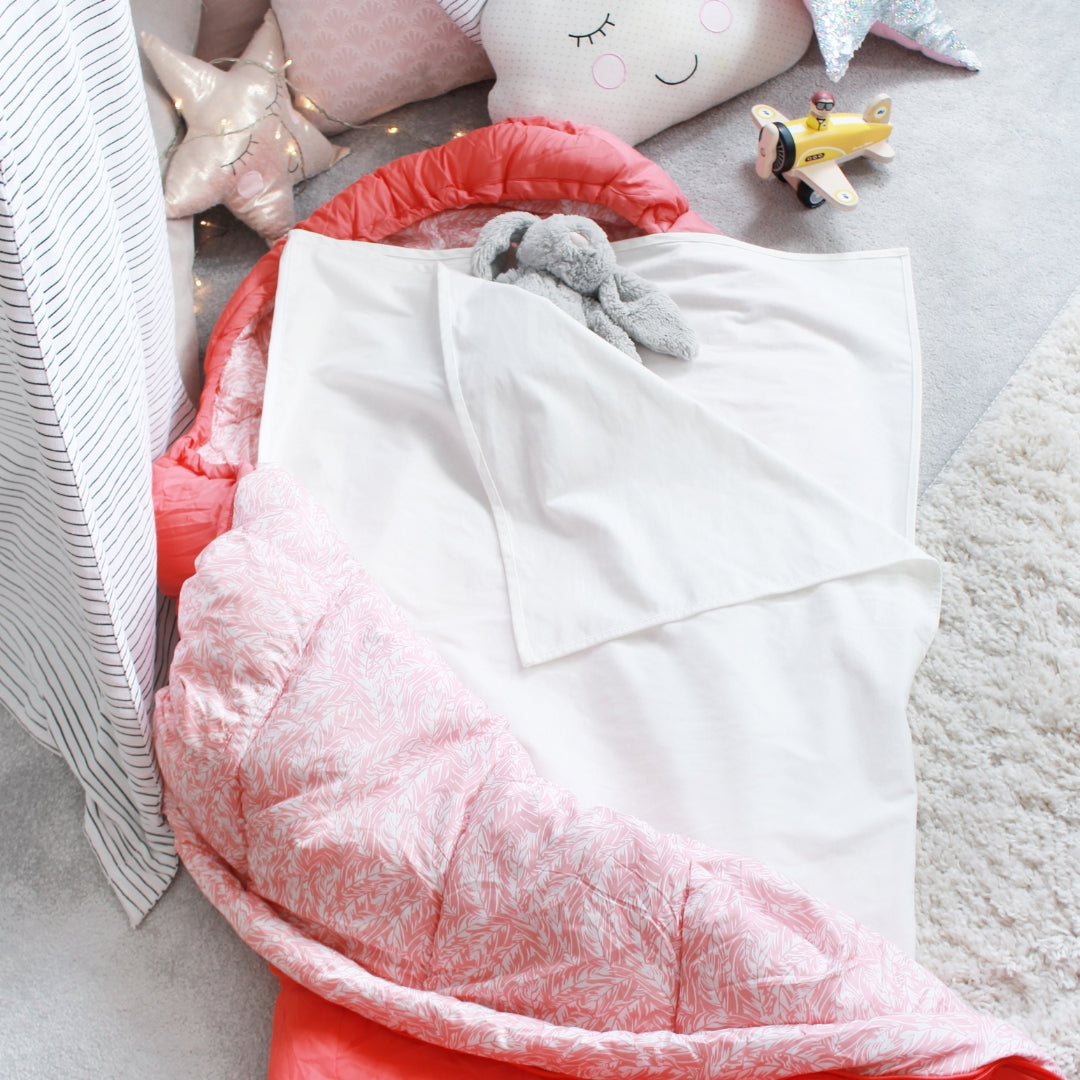
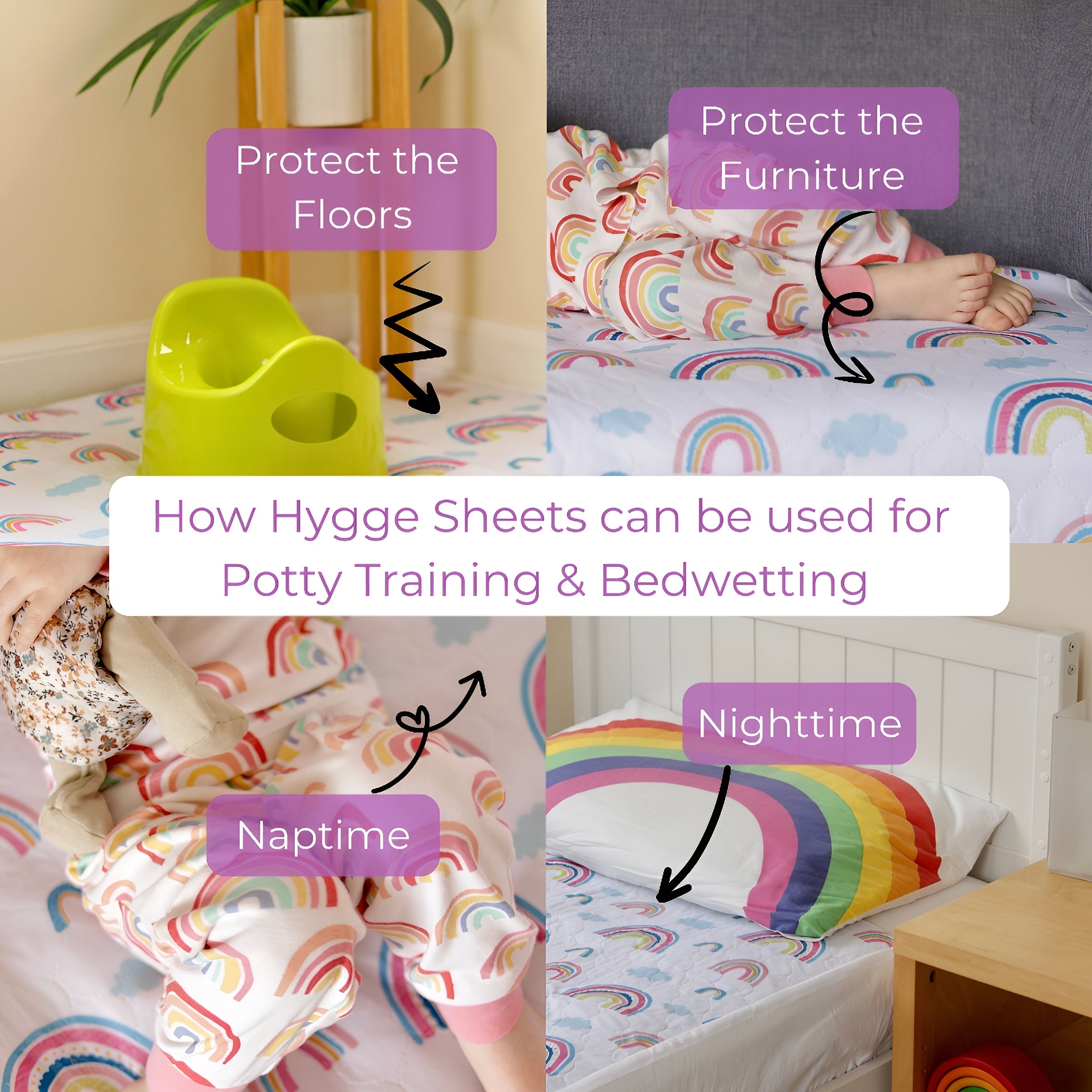
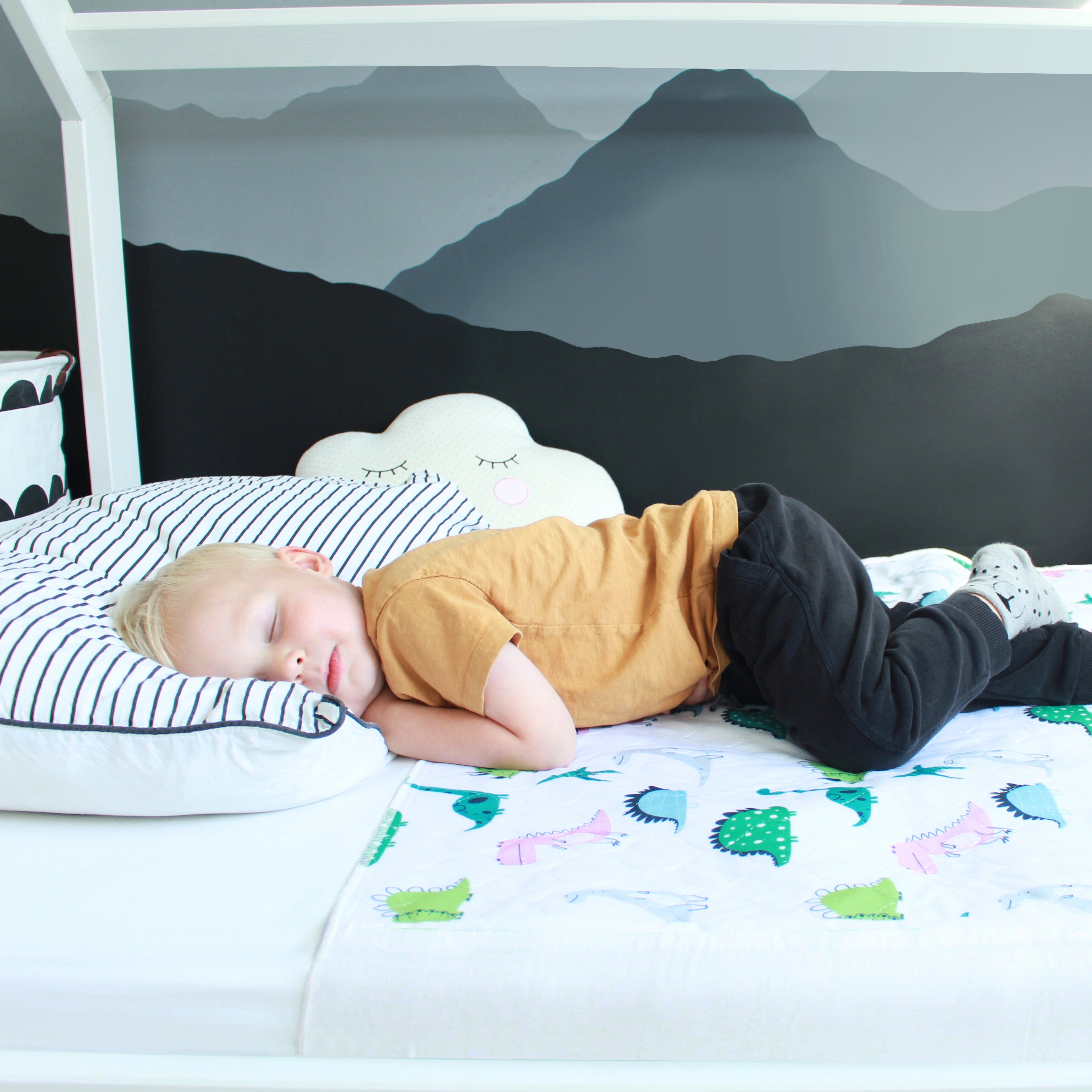
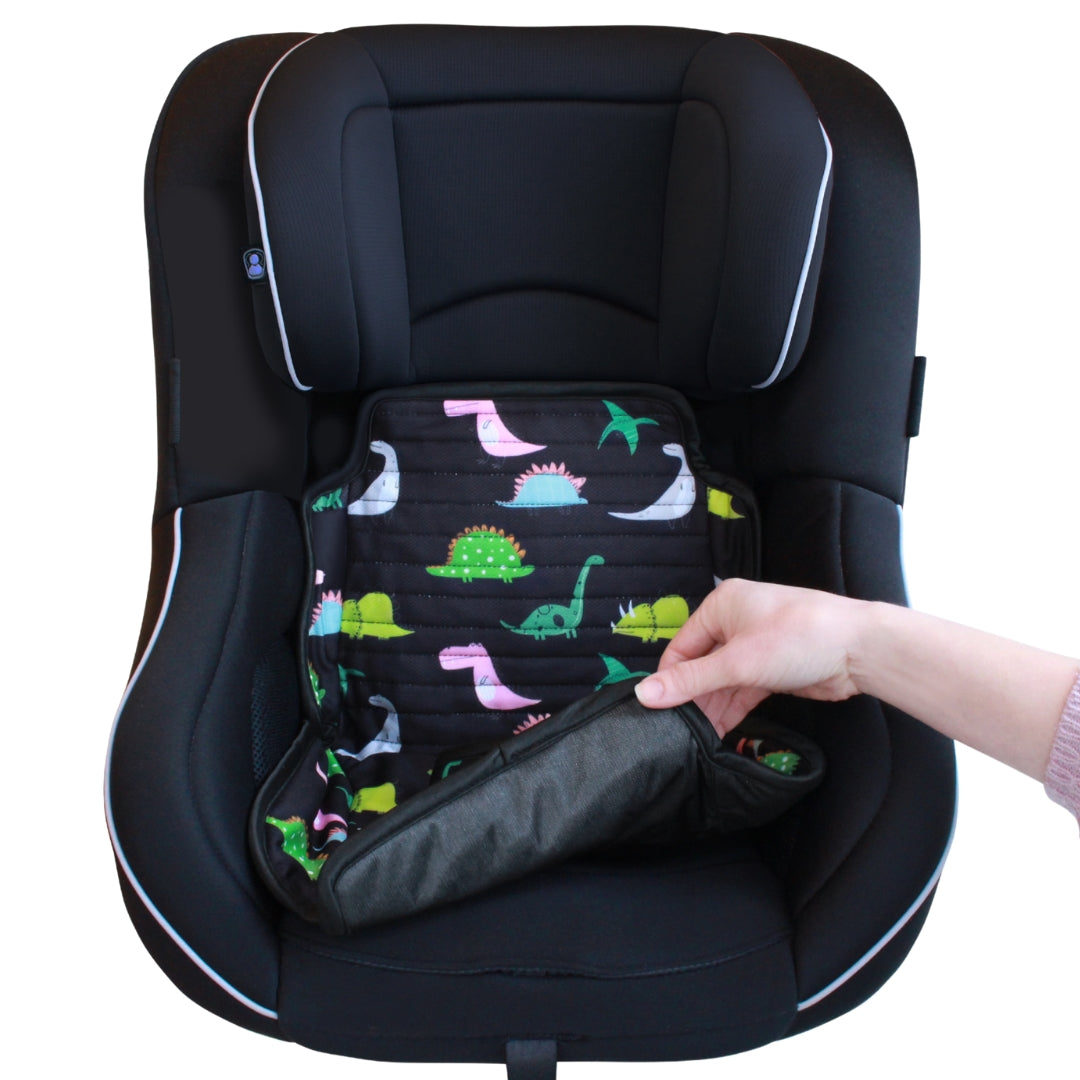
You can also make sure the bed is protected using a waterproof sheet so that accidents are easier to manage and don't become a source of stress for your child or the whole family.
When Should You Get Help With Bedwetting?
If your child is 5 or older and regularly wets the bed, you don't have to simply wait for them to grow out of it.
Bedwetting can be treated, and support is available. Treatment may include addressing constipation or bladder and bowel habits, using a bedwetting alarm and, in some circumstances, medication. The most appropriate option will depend on your child and their individual circumstances. Contact your GP, school nurse or healthcare provider for help.
Most importantly, never punish or shame your child for wetting the bed. Bedwetting isn't something they are doing deliberately, and making them feel embarrassed can make an already difficult situation harder.
Starting School Doesn't Have To Mean Being Dry At Night
There is so much focus on children being "ready" for school, and toilet training can become part of that conversation. But daytime toilet training and nighttime dryness are not the same thing.
Your child can be completely ready for school and still wet the bed at night. They can be confident using the toilet during the day and still need a pull-up at bedtime.
If they were dry but begin wetting again after starting school, it doesn't mean you've done anything wrong. Starting school is a huge change, and sometimes children need a little extra support while they adjust.
So as September approaches, try not to put pressure on yourself or your child to achieve nighttime dryness by a particular date. Give them time, reassurance and support, and if you're worried about their bedwetting, ask for help. You're not alone, and neither is your child.