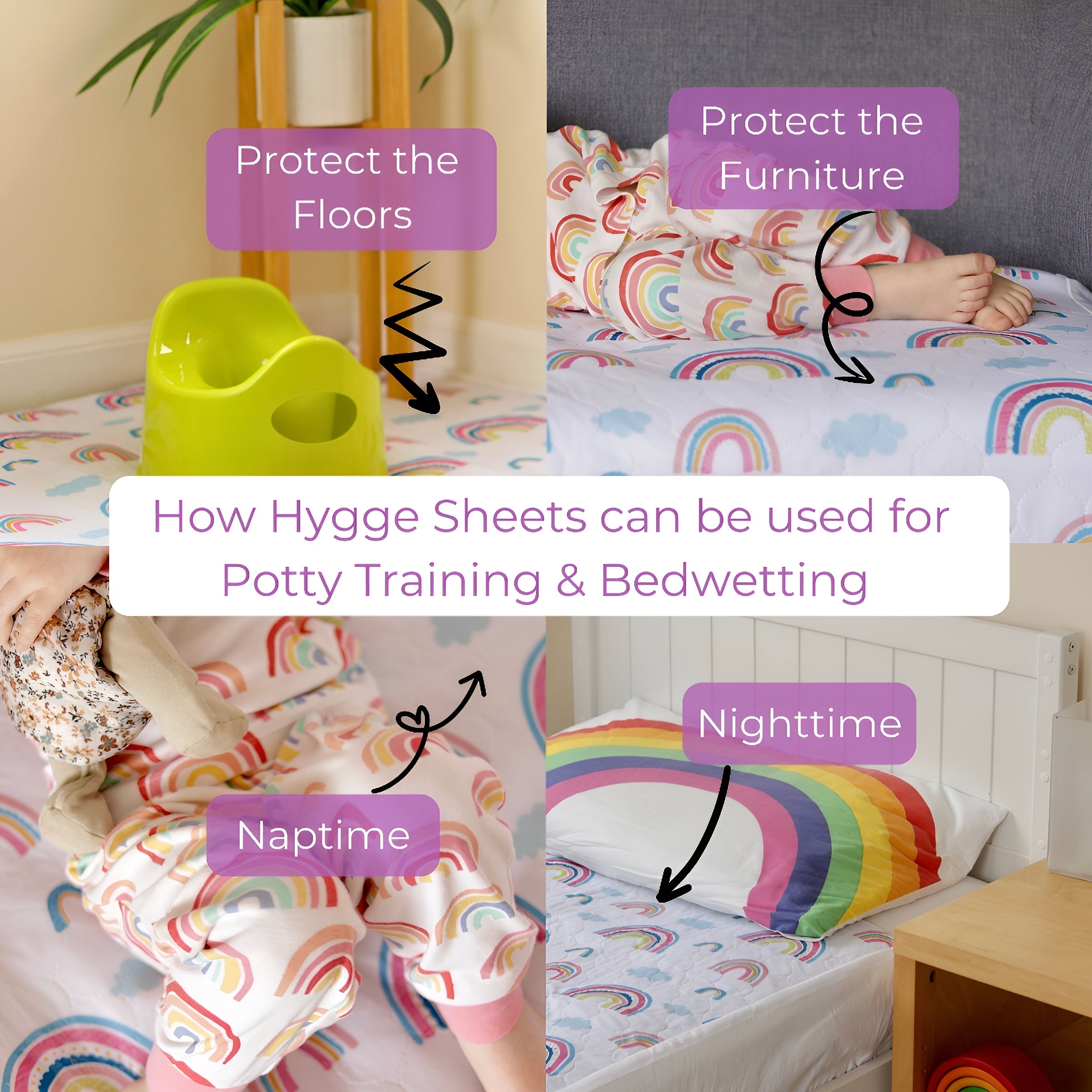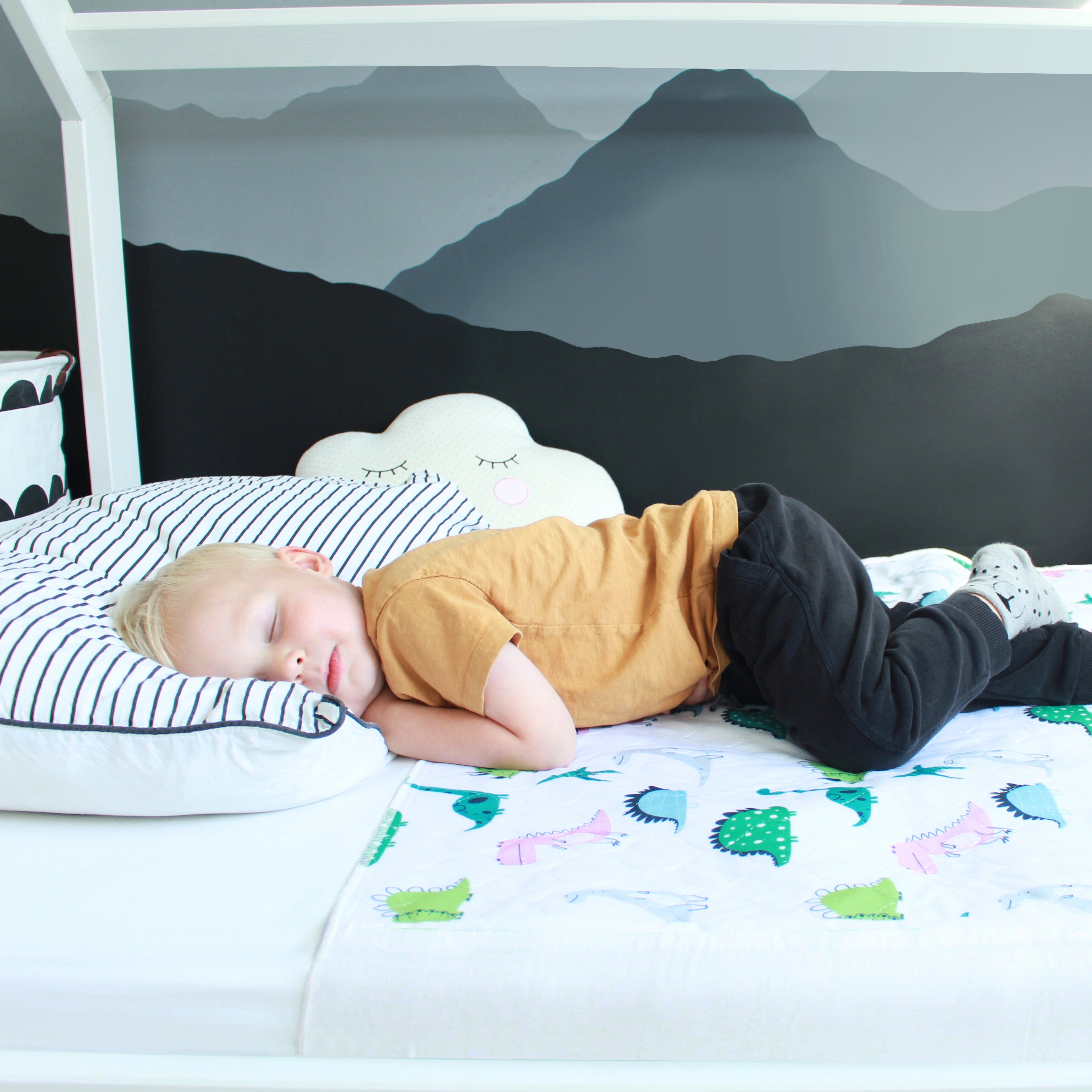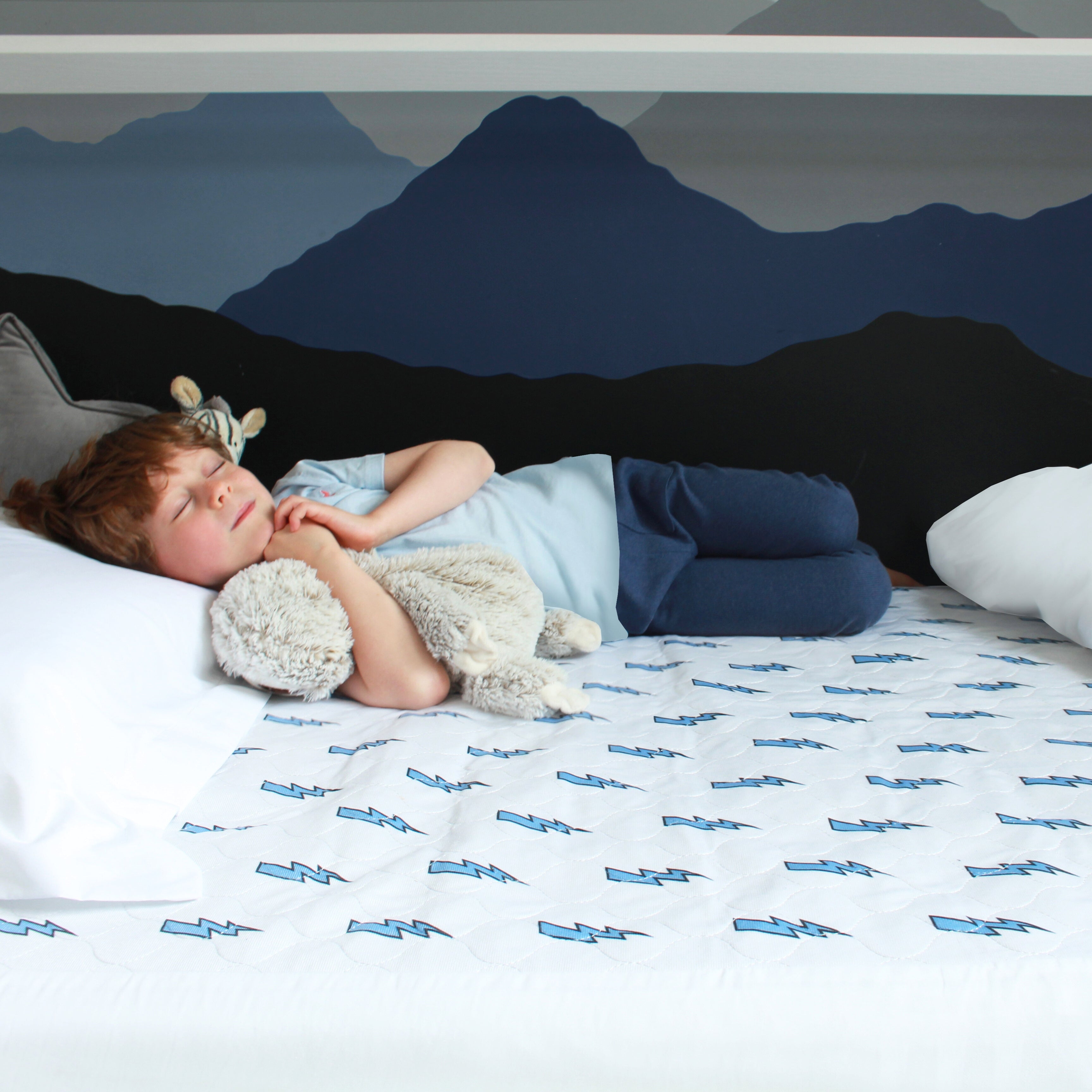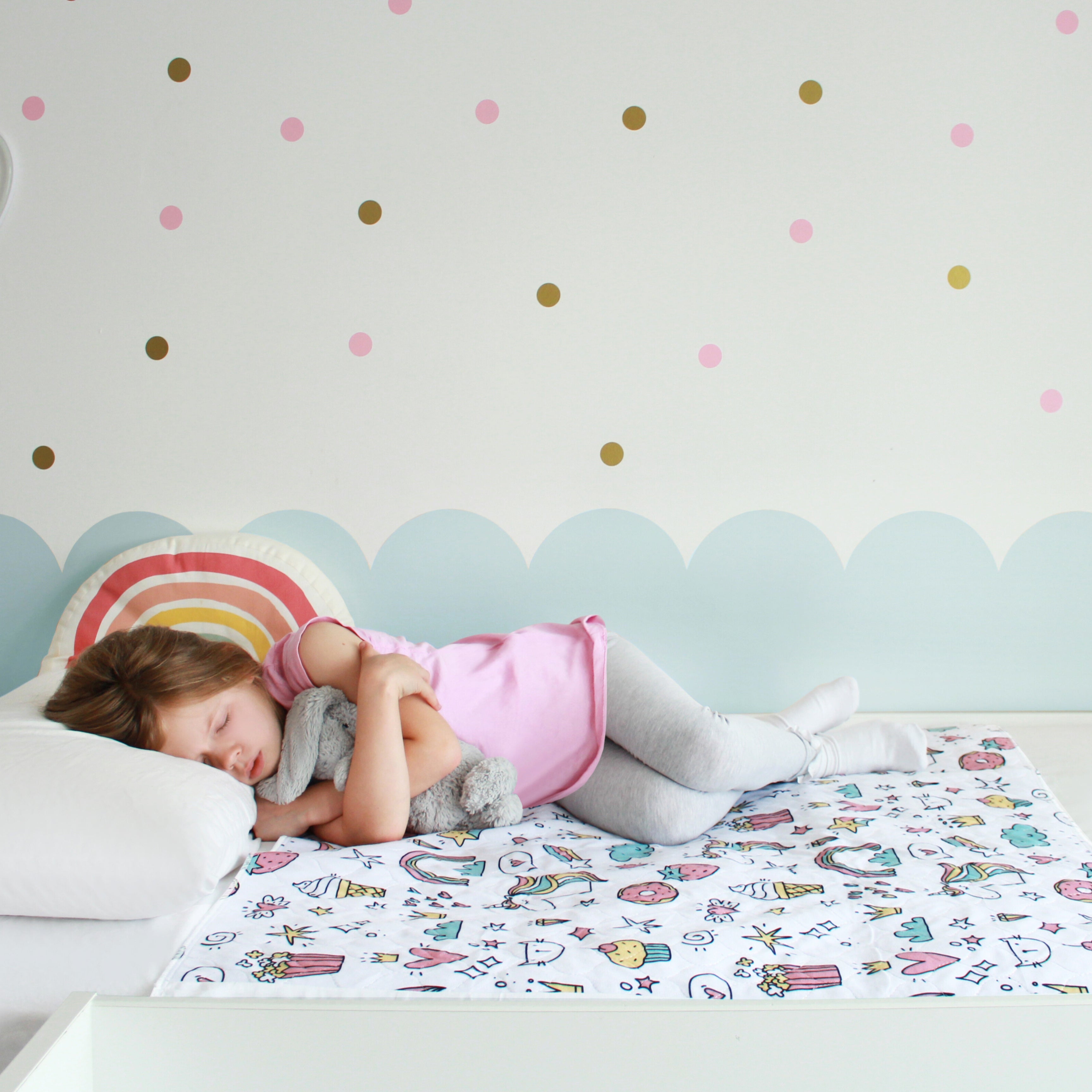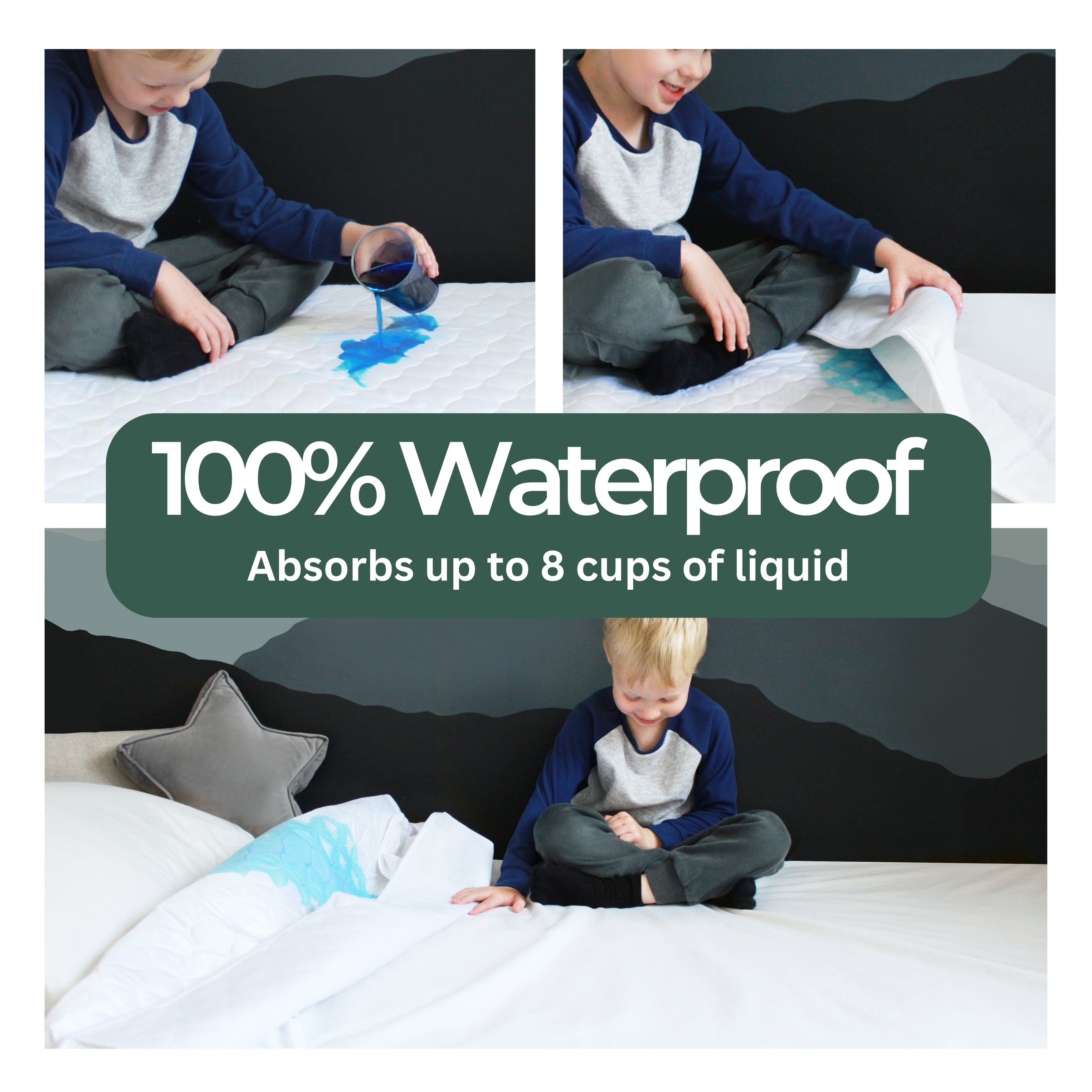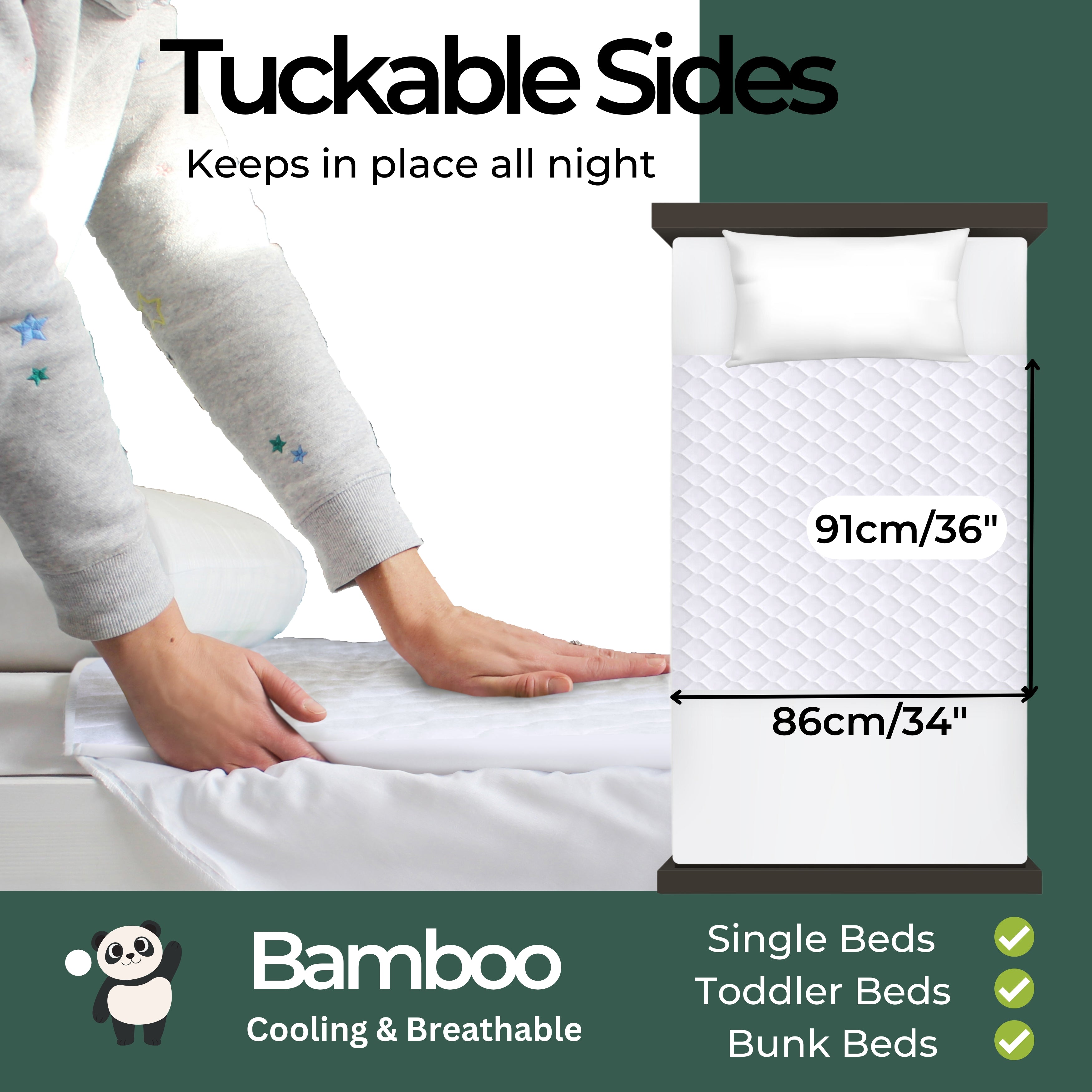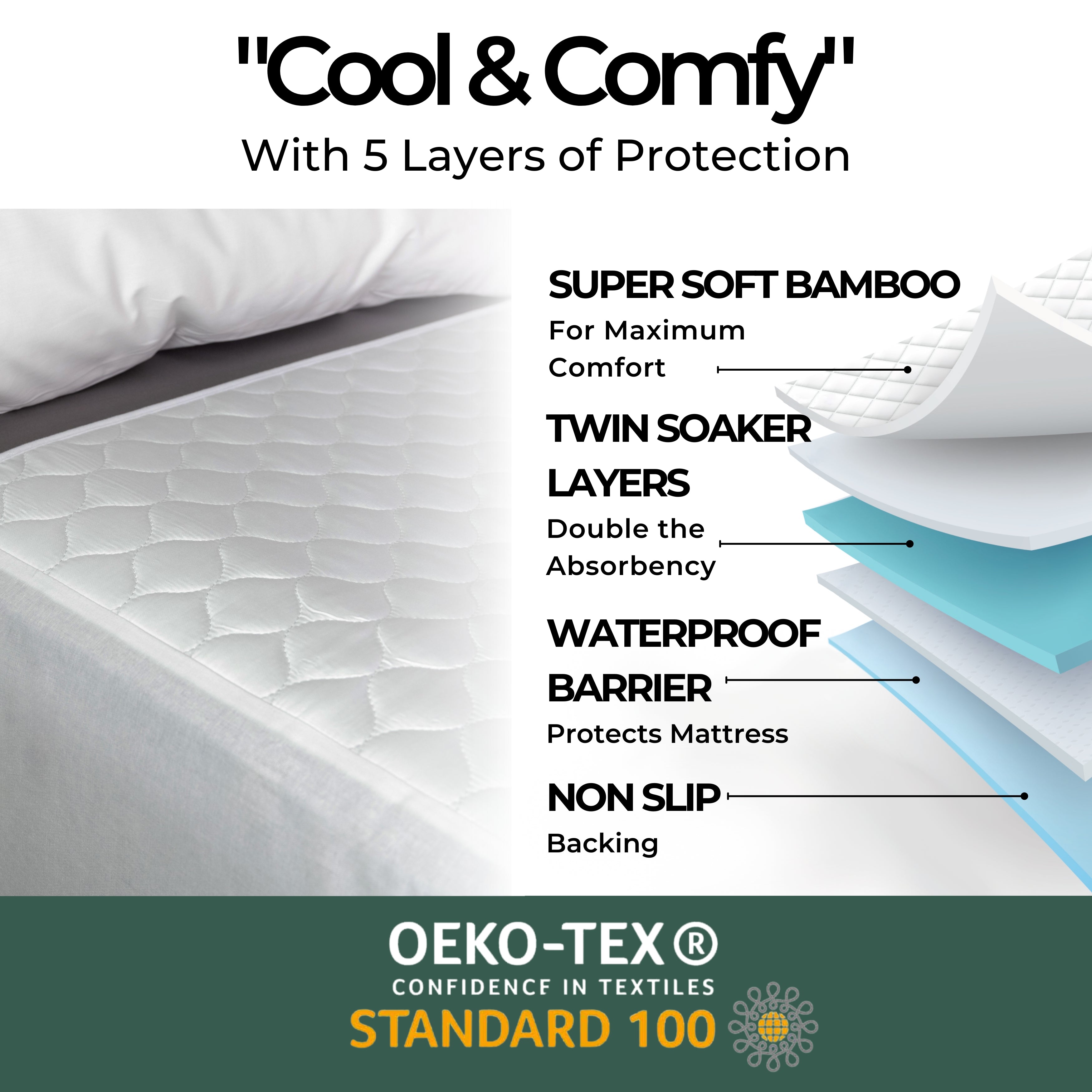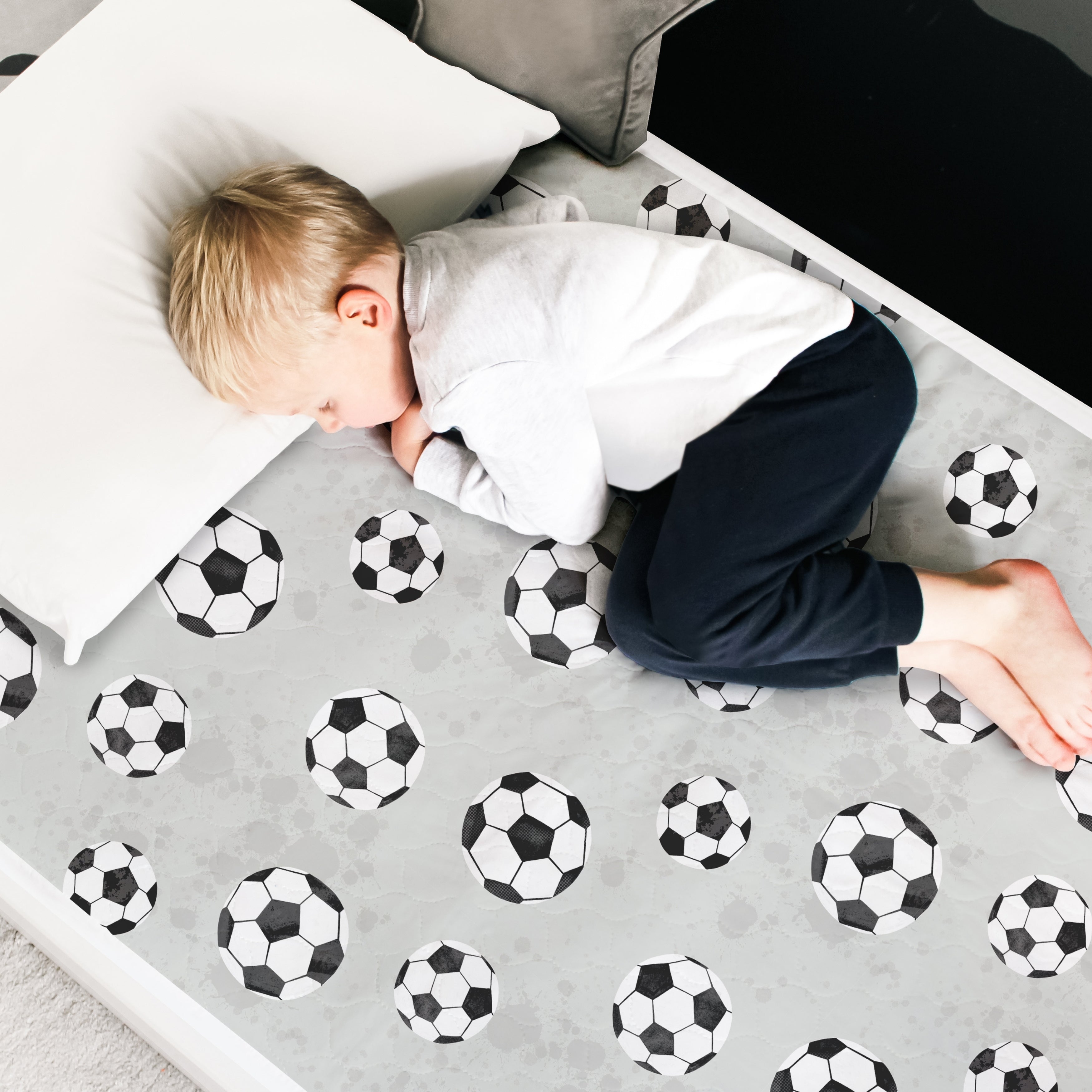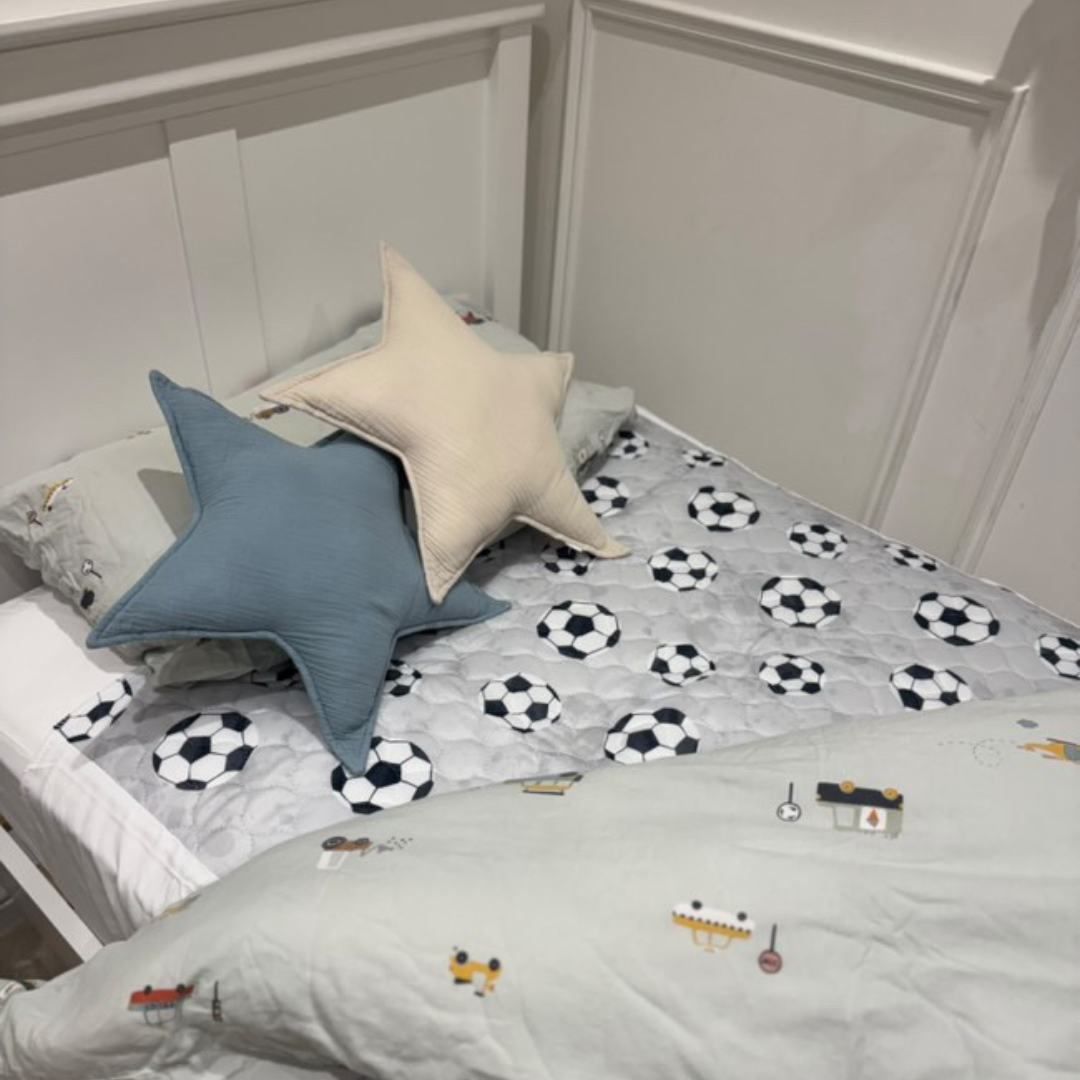


Waterproof mattress protectors are essential for maintaining a clean, hygienic, and comfortable sleeping environment. They are especially helpful for children going through nighttime potty training, or for families managing bedwetting.
This guide explains why waterproof mattress protectors matter, how to wash them correctly, and how to remove stubborn stains and odours such as urine helping you keep your mattress fresh and long-lasting.
As a mum myself, I’ve dealt with my fair share of nighttime accidents and sickness stains, so this guide combines personal experience with practical care advice.
1. Why Use a Waterproof Mattress Protector?
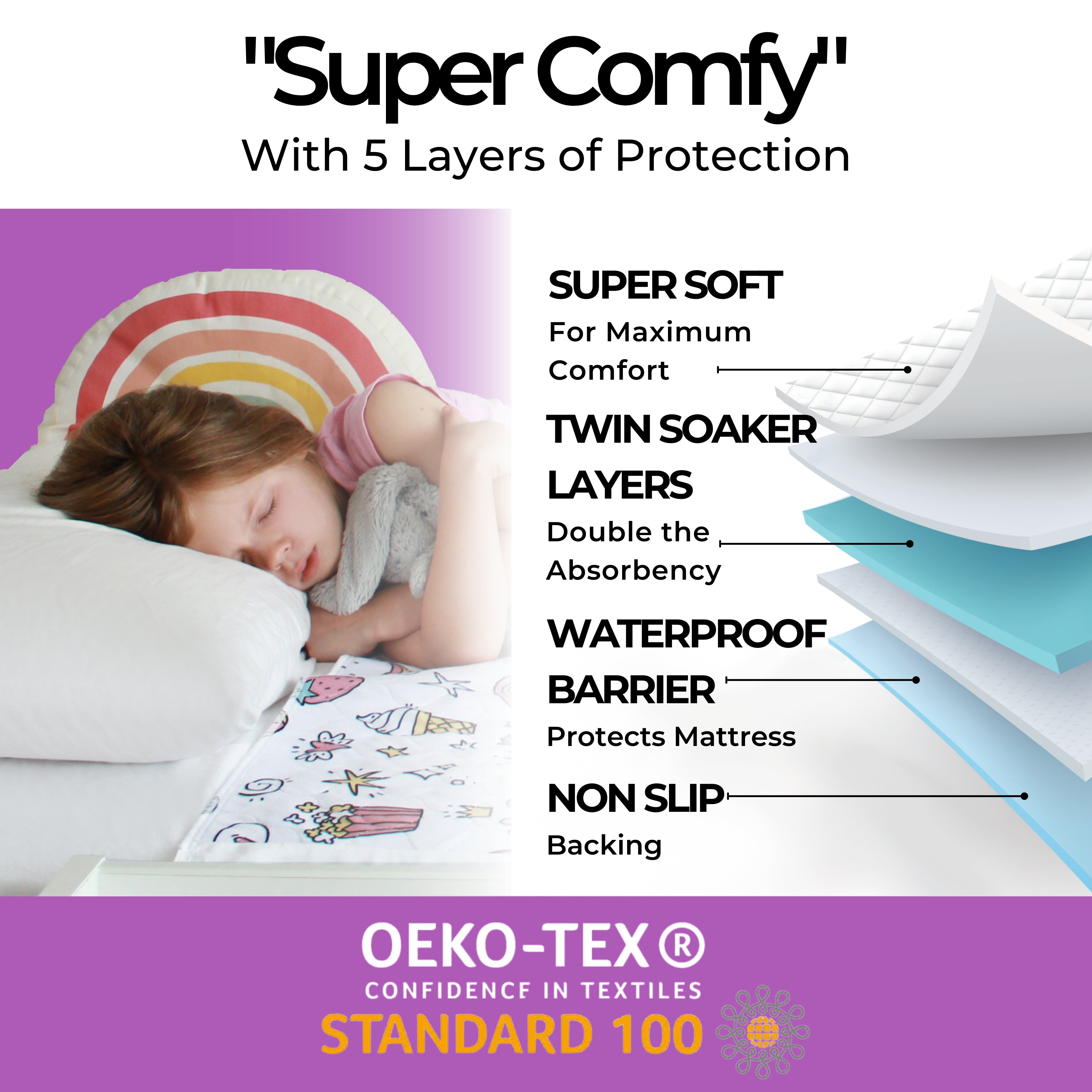
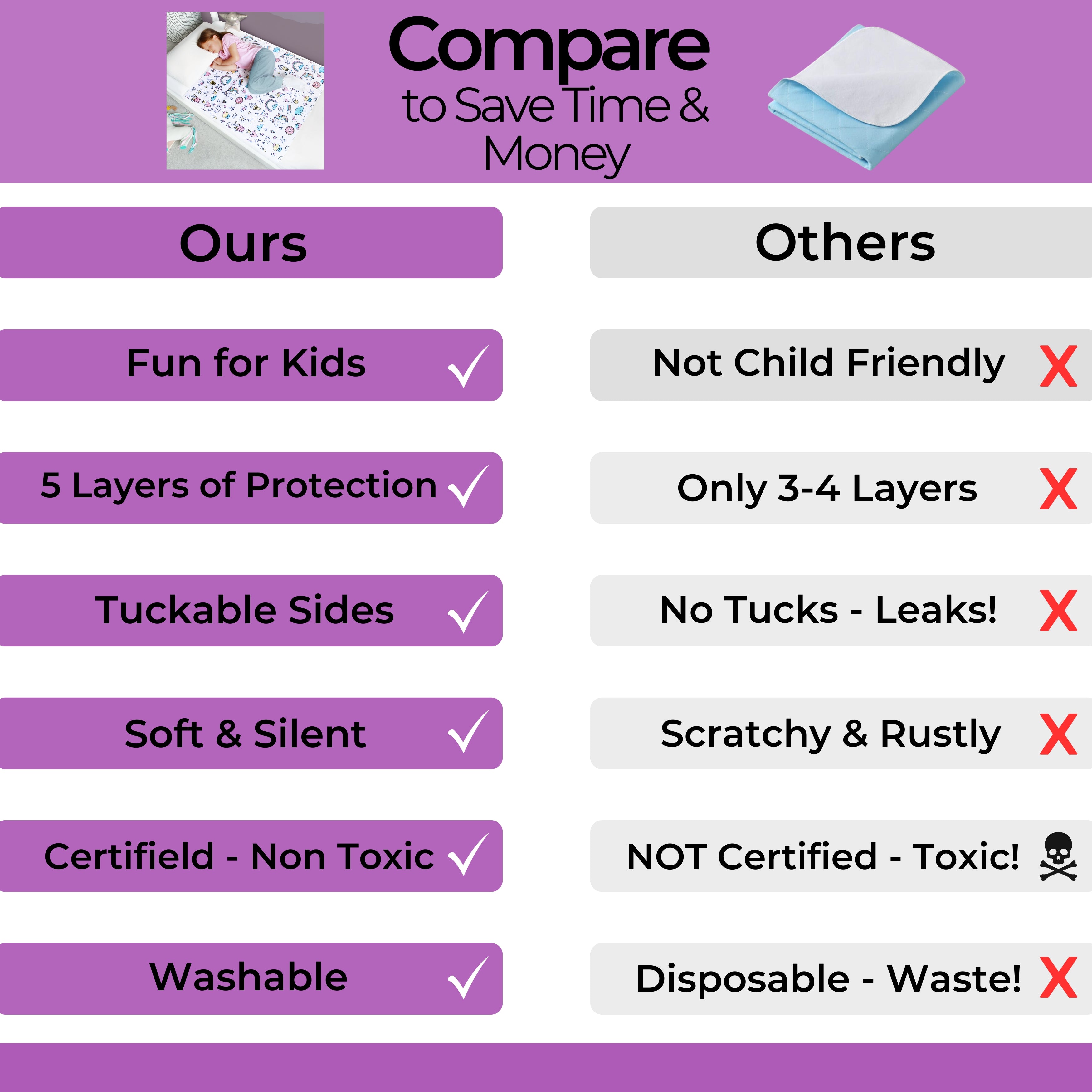
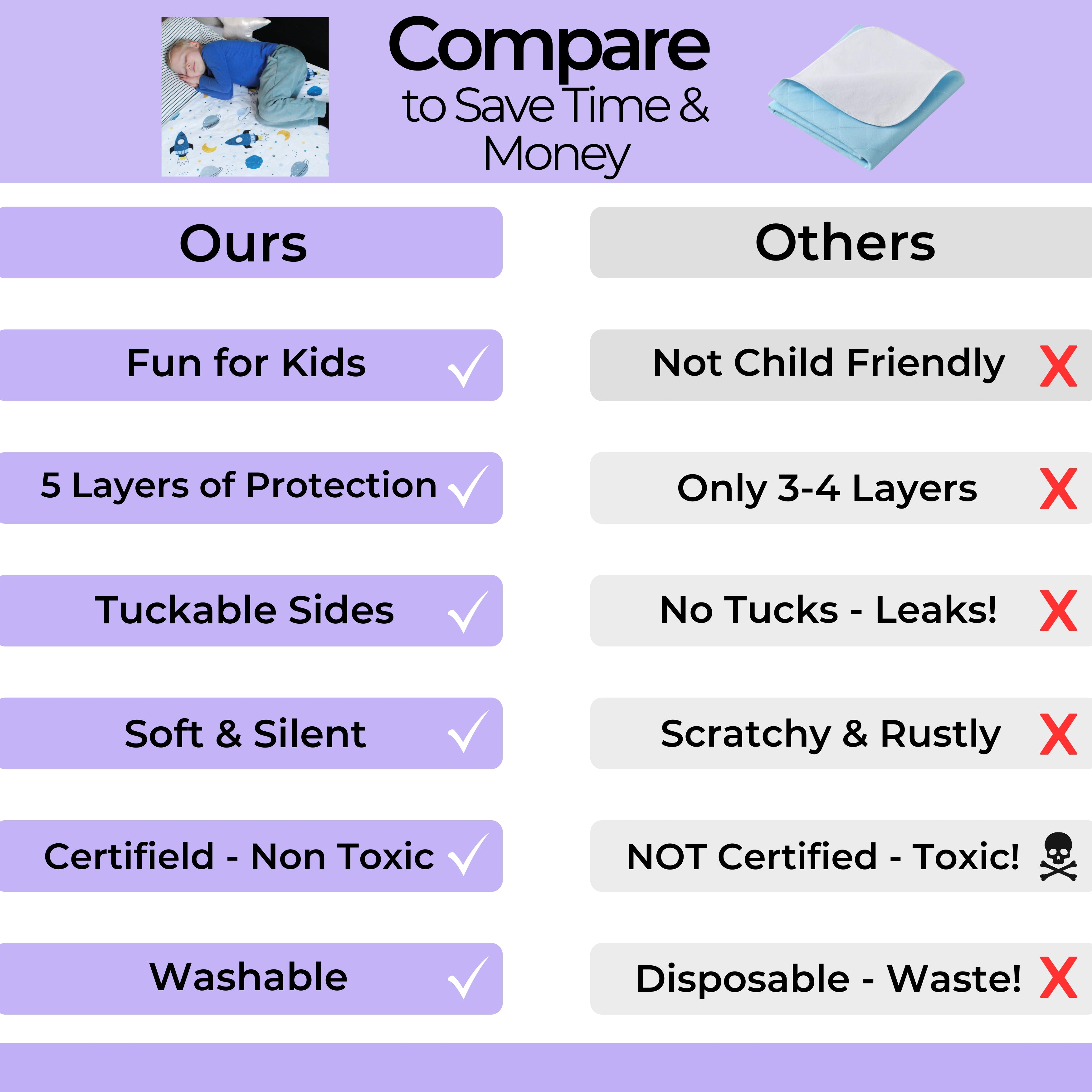
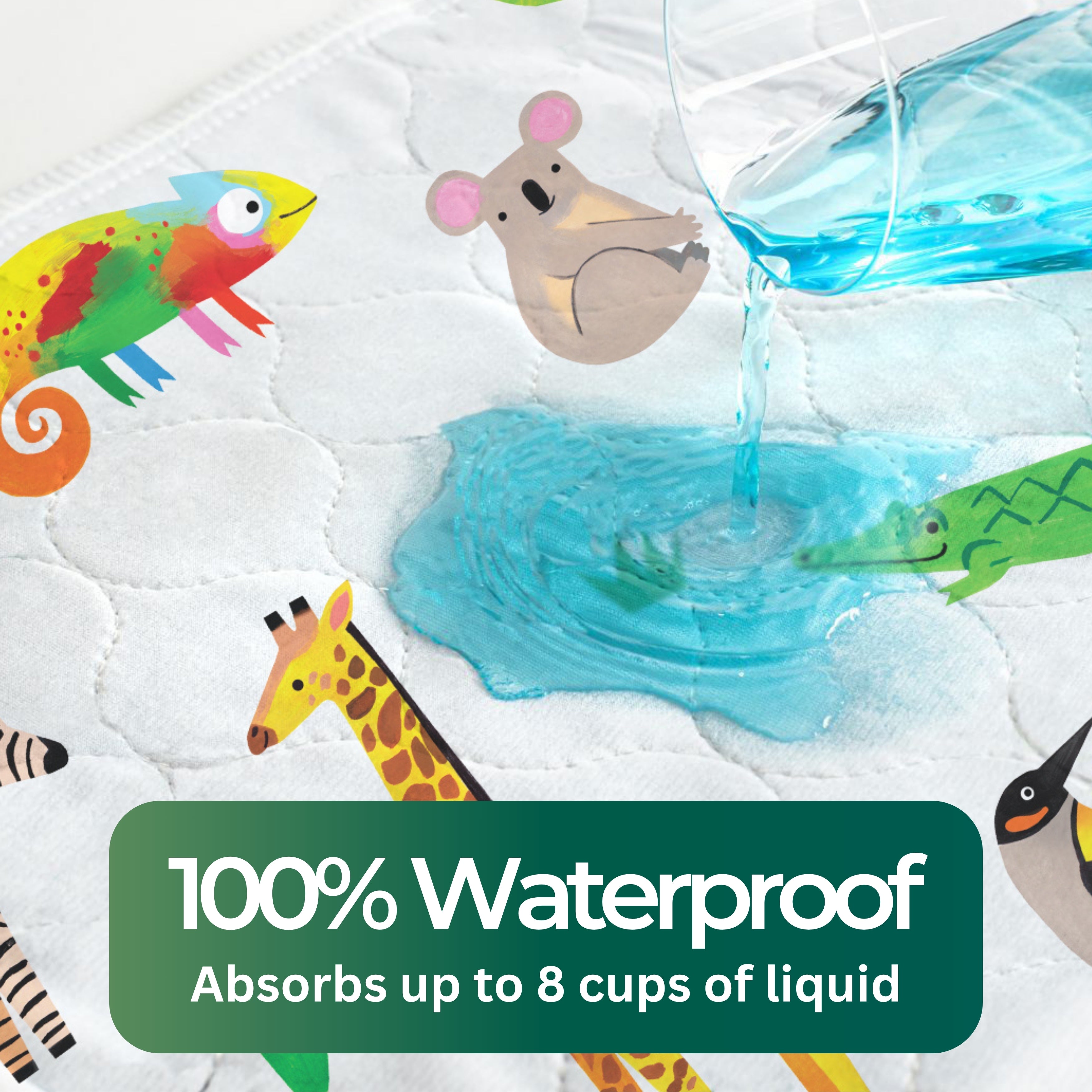
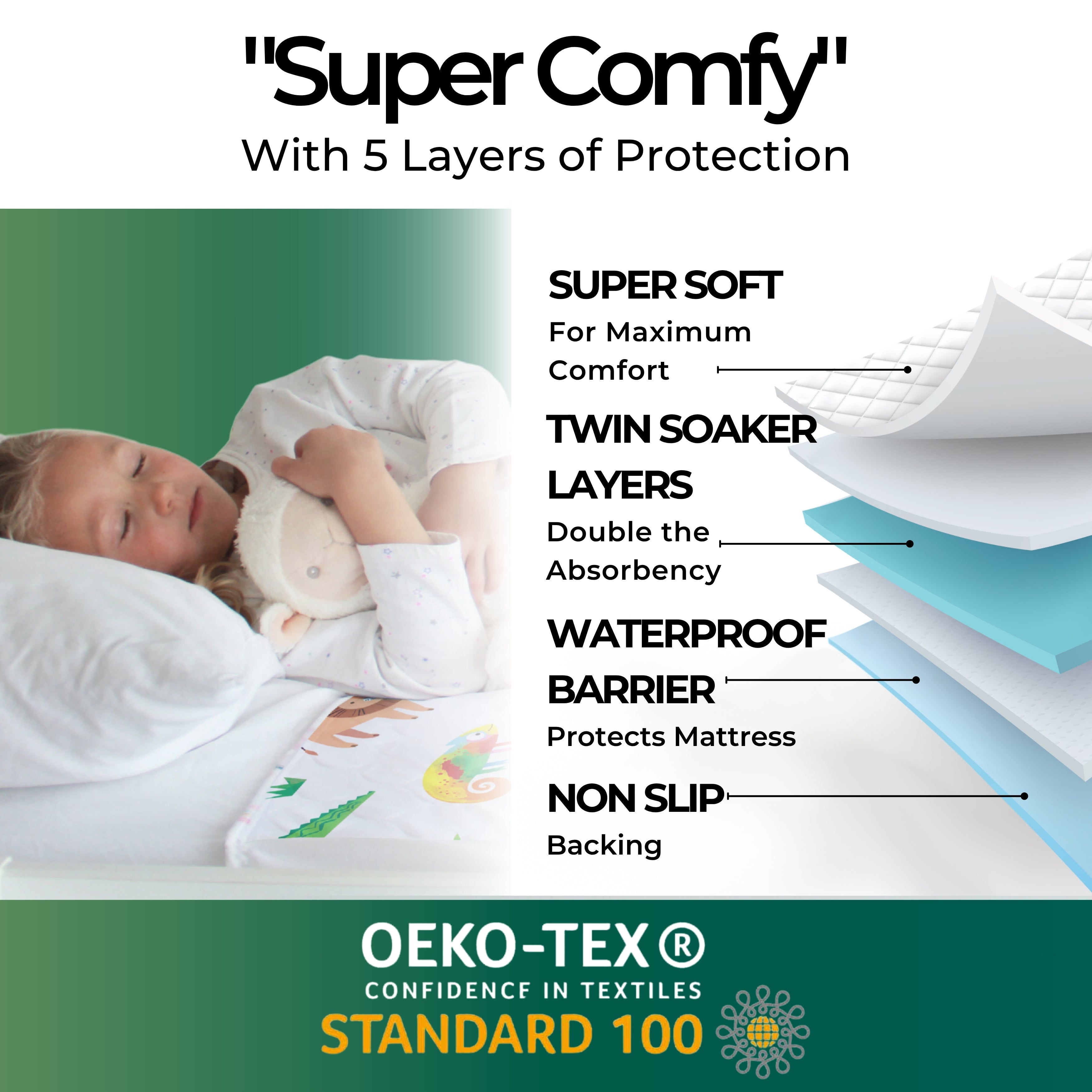
A waterproof mattress protector does more than protect against spills it acts as a hygienic barrier between your mattress and everyday life.
It helps protect against:
- Urine and bedwetting accidents
- Spills and sickness
- Sweat and body oils
- Dust mites and allergens
By preventing liquid from soaking into the mattress, waterproof protectors reduce the risk of odours, mould, mildew, and bacteria build-up. They also help extend the life of your mattress and maintain a healthier sleep environment.
2. How to Wash a Waterproof Mattress Protector
To keep your Hygge Sheets mattress protector in top condition, follow these steps:
-
Check the Care Label: Always read the washing instructions provided to avoid damage.
-
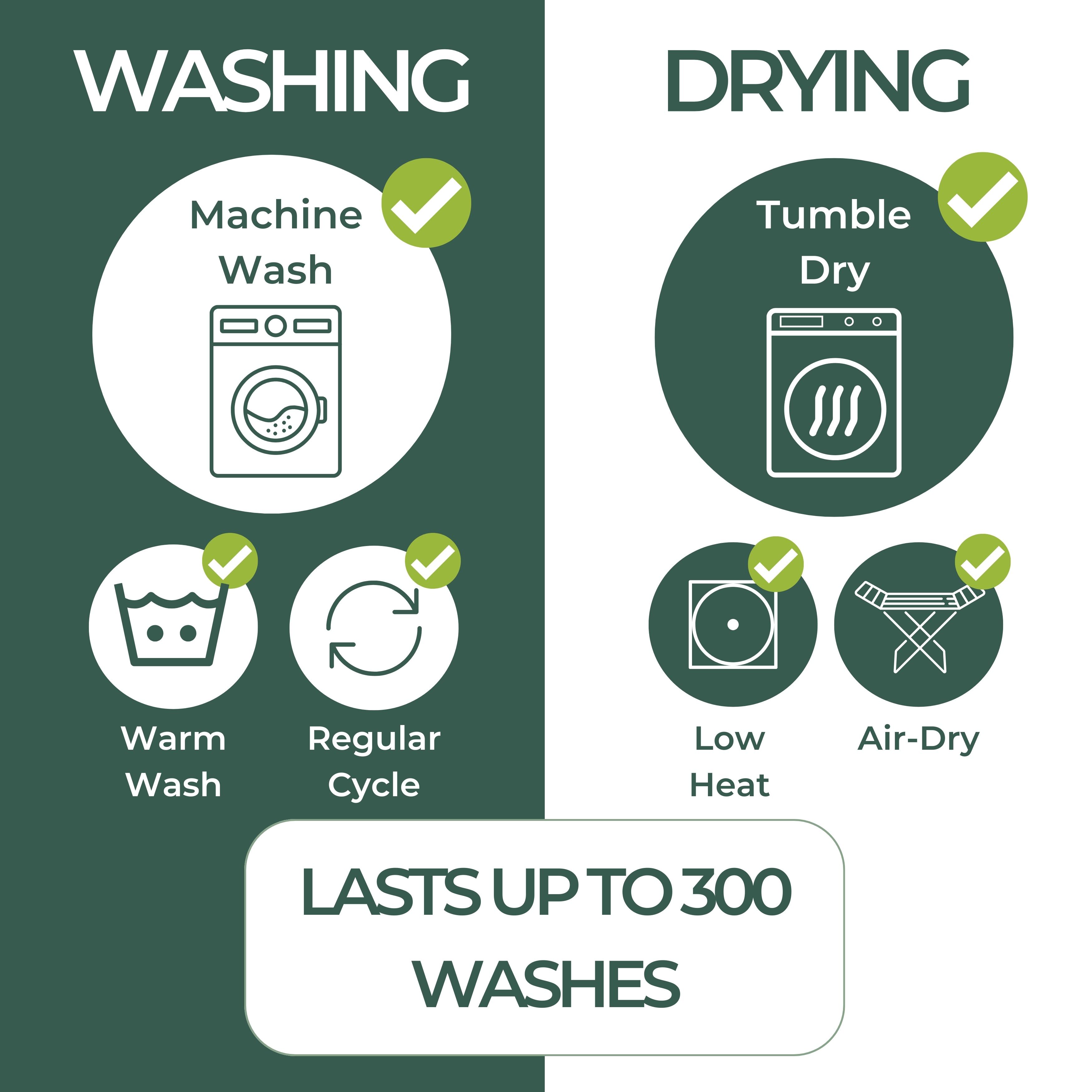
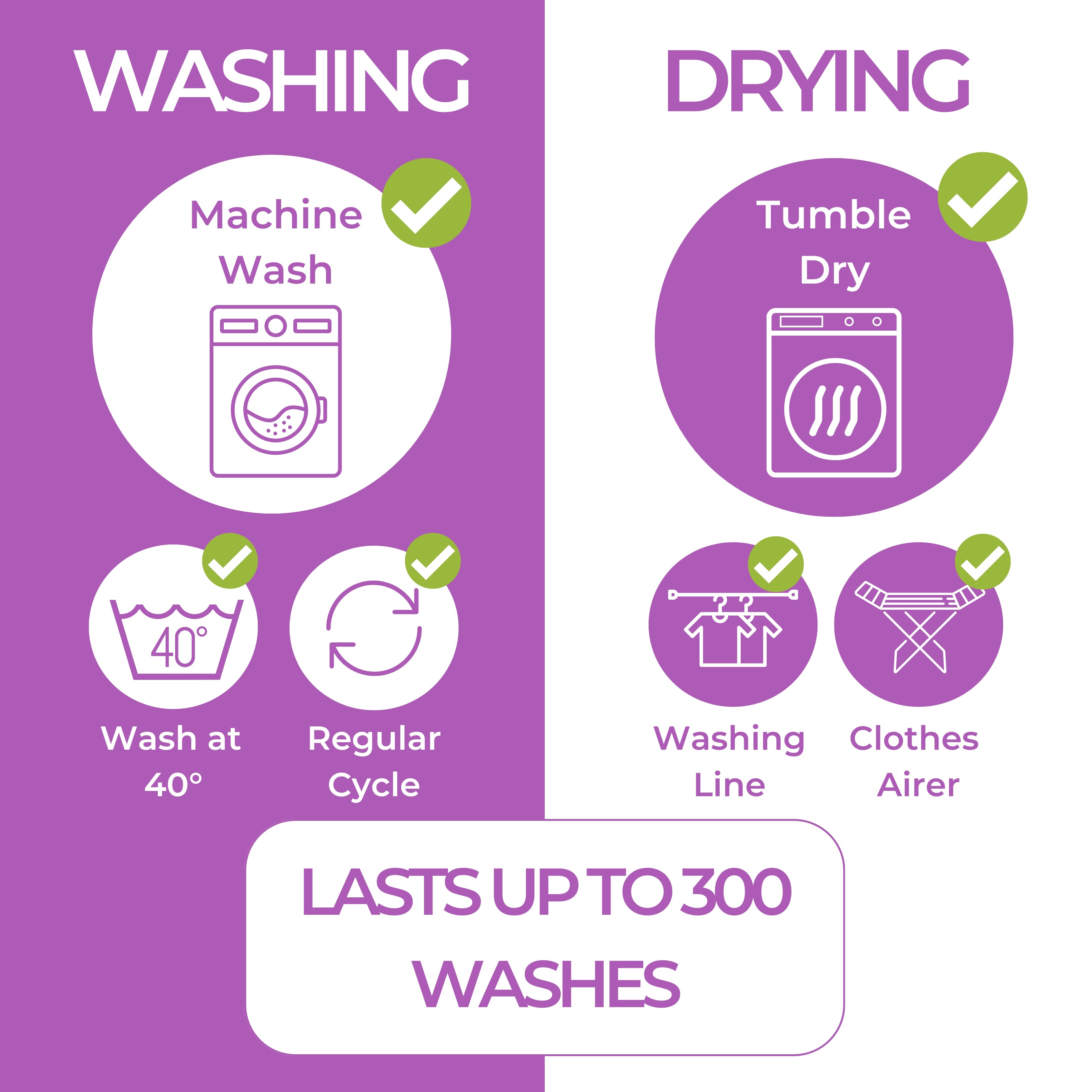
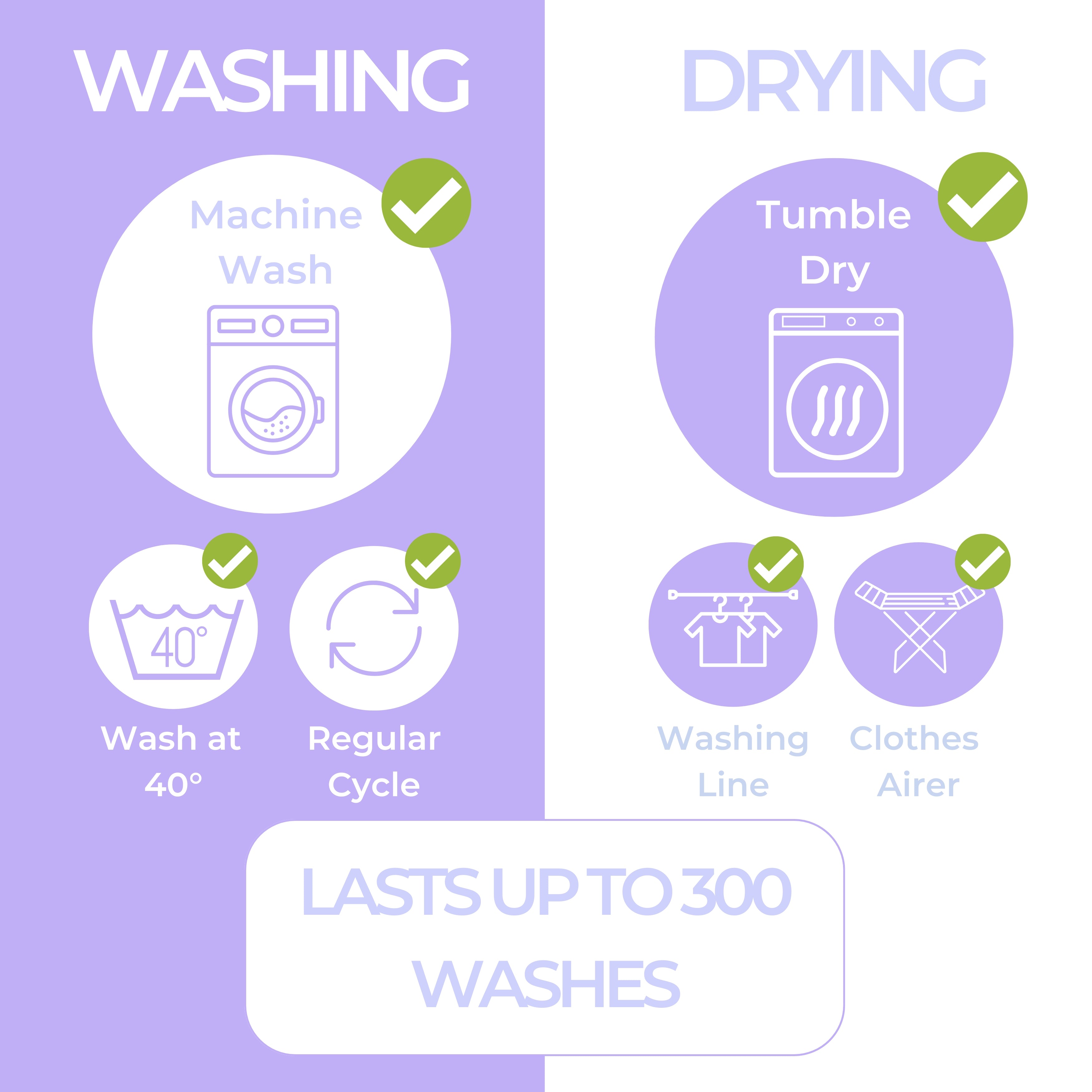
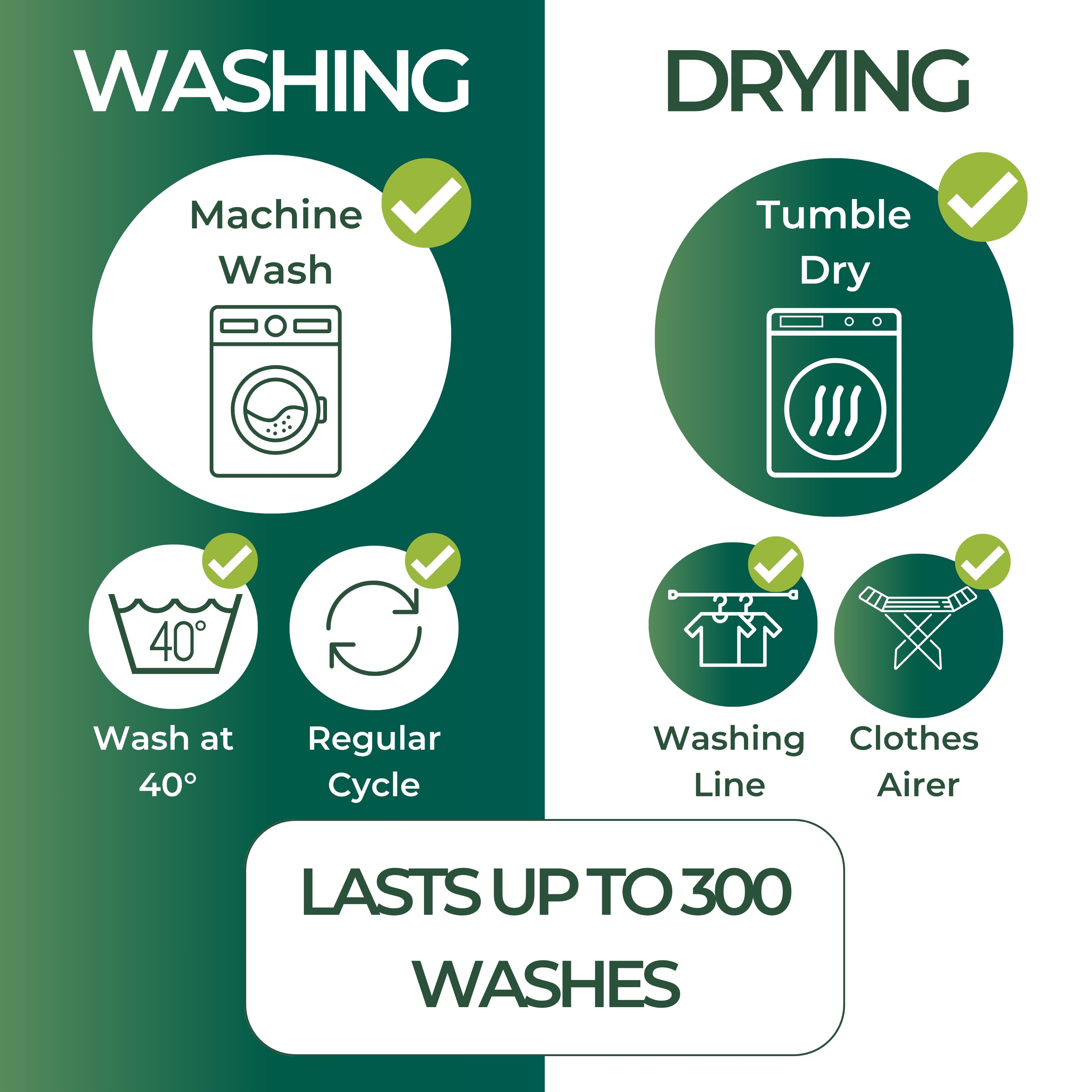
Machine Washing: Wash your waterproof mattress protector at a maximum temperature of 40°C on a normal cycle. Avoid fabric conditioner or bleach, as they can degrade the waterproof layer, but regular detergent is fine.
-
Drying: Air drying is best hang it on an airer, over a door, banister, or washing line. If you need a faster option, you can tumble dry it on low heat or hang it over a radiator (just ensure it’s not too hot). Your Hygge Sheet is designed to stay waterproof for up to 300 washes.
3. Tips for Washing Waterproof Mattress Protectors
-
Avoid Harsh Chemicals: Bleach, fabric softeners, or strong detergents can break down the waterproof layer.
-
Wash Separately: To prevent damage from zippers or hooks on other items, wash your protector on its own.
4. Common Mistakes to Avoid
-
Ignoring the Care Instructions: This can lead to shrinkage, melting of the waterproof layer, or reduced effectiveness.
-
Using the Wrong Cleaning Products: Stick to mild detergents—harsh chemicals compromise the waterproof barrier.
-
High Heat Drying: Excess heat can damage the waterproof membrane, leading to cracking or melting.
-
Overloading the Washing Machine: A crowded drum can prevent proper cleaning and rinsing.
-
Infrequent Washing: Regular cleaning prevents the build-up of body oils, sweat, and allergens.
Avoiding these mistakes will help your mattress protector last longer and keep it performing at its best.
5. How to Clean Stains on Your Mattress
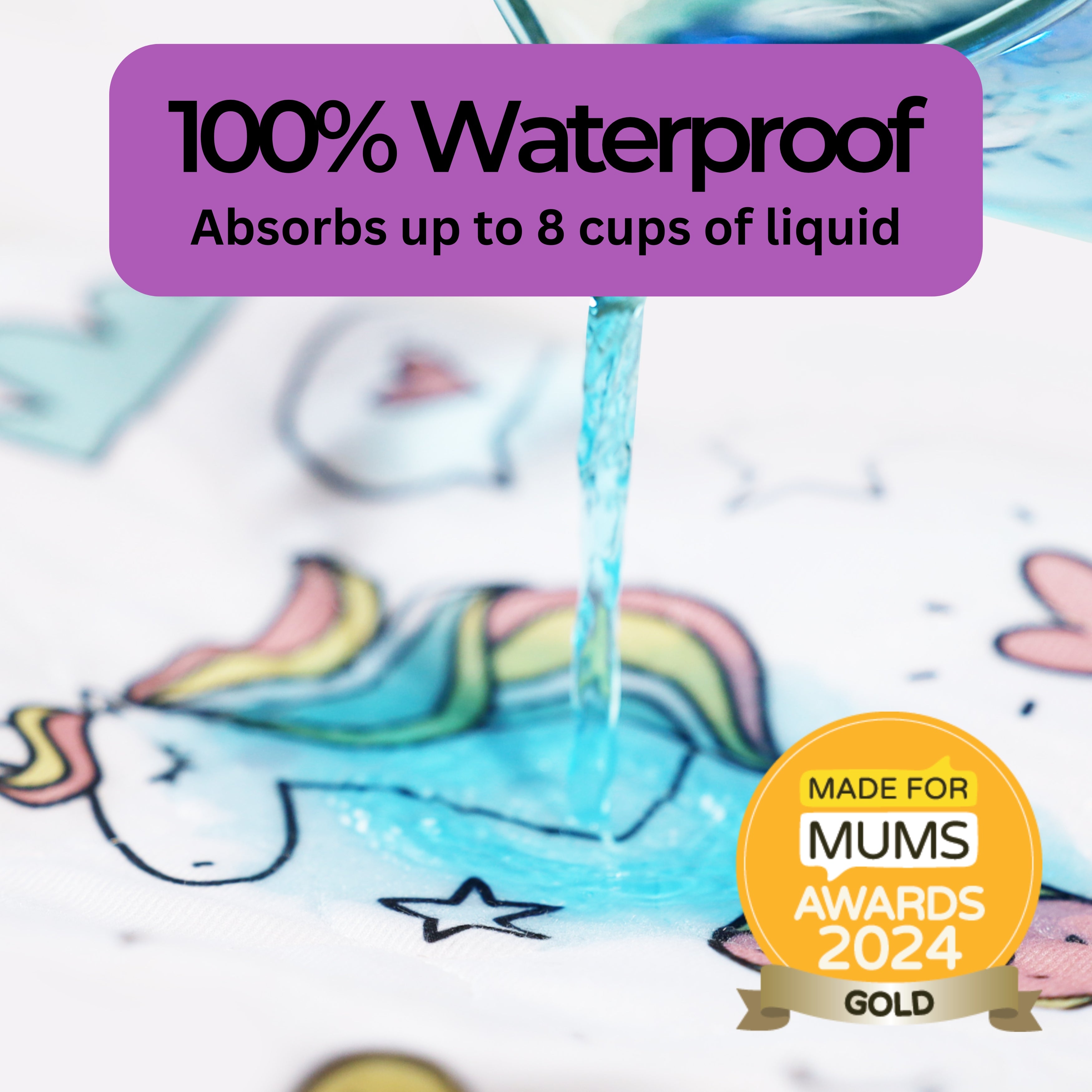
While Hygge Sheets mattress protectors are 100% waterproof, some other protectors may leak, leading to stains from urine or sickness. If this happens, follow these steps:
- Blot up excess moisture with a dry kitchen towel, cloth, or rag.
- Sprinkle baking soda over the stain to absorb urine and odours.
- Leave it for 15 minutes, then vacuum the area.
- Mix equal parts white vinegar and water with a squirt of washing-up liquid.
- Use a sponge to clean the stain.
- Allow the mattress to dry completely before using it again.
This method has worked wonders for me, and I hope it helps you too!
If your child is struggling with bedwetting, using a waterproof sheet alongside a bedwetting alarm can be a great way to support nighttime potty training and make nighttime accidents less stressful.