


























Bedwetting can feel overwhelming for children and for parents. It often brings worries about sleepovers, school trips, washing loads and a child’s confidence. Yet nighttime bedwetting is far more common than many families realise, and it is almost always linked to normal developmental differences in how a child’s body grows and matures.
One option that healthcare professionals may recommend is the medication Desmopressin, which helps some children stay dry at night. Understanding what it is and when it can help, can make treatment decisions feel much clearer and less stressful.
Why Might My Child Be Prescribed Desmopressin?
What we really want parents to know is that bedwetting isn’t caused by one thing. Hormones, bladder size, bowel health, sleep, habits, they all play a part. That’s why some families do brilliantly with medication, others with alamrs, and sometimes a mix of both.
One of the most common causes is that a child’s body produces too much urine at night. When this happens, even a healthy, strong bladder simply can’t hold everything until morning. So healthcare professionals around the world may suggest Desmopressin when they suspect this is the main issue.
Recognised internationally as a first-line treatment, alongside bedwetting alarms. This means it is one of the safest and most researched options for childhood bedwetting, and it is often recommended before more complex treatments are tried.
Recommended Age
In the UK and most international guidelines:
-
Usually recommended from age 5 years and older
-
More commonly prescribed from 6 years+, especially if:
-
Bedwetting is frequent (2+ nights per week)
-
The child is distressed or it’s affecting confidence
It’s not typically used under age 5, as bedwetting is still considered developmentally normal in younger children.
Why Is There an Age Threshold?
One of the main reasons for this age guidance is hormone development.
By around 5–6 years old, most children have developed a normal nighttime rise in vasopressin (the natural hormone that reduces urine production during sleep).
If a child is younger than this, their vasopressin rhythm may still be maturing meaning bedwetting can simply be part of normal development. In these cases, waiting often allows natural hormone levels and bladder capacity to improve over time.
What Does The Vasopressin Hormone Do?
Bedwetting is not caused by laziness, deep sleep, or poor parenting. A major part of the puzzle is hormonal development. At night, the brain normally releases a hormone called vasopressin (also known as ADH). This hormone tells the kidneys to:
-
Slow down urine production
-
Concentrate the urine
However, this hormone rhythm develops naturally for many children, but not all at the same time. Some children produce plenty of vasopressin at night, while others produce very little. When the signal is weak, the kidneys continue making urine at daytime levels, filling the bladder too quickly.
This is why bedwetting is so common in otherwise healthy children.
So What Is Desmopressin?
Desmopressin is a synthetic version of vasopressin. It comes in several forms, including tablets, dissolvable melts, and liquids. When taken before bed, it sends a clear message to the kidneys:
“Slow down. Make less urine while we sleep.”
This reduces how much urine builds up overnight, making it much easier for the bladder to stay comfortable and dry until morning. Desmopressin does not “force” the bladder to hold more; it simply reduces what goes into it.
How Effective Is It?
Research across multiple countries show that desmopressin works well for many children, especially when excess nighttime urine is the main cause of bedwetting. But it can also be helpful for short-term support, such as:
-
Camping
-
Sleepovers
-
Holidays
-
Special events
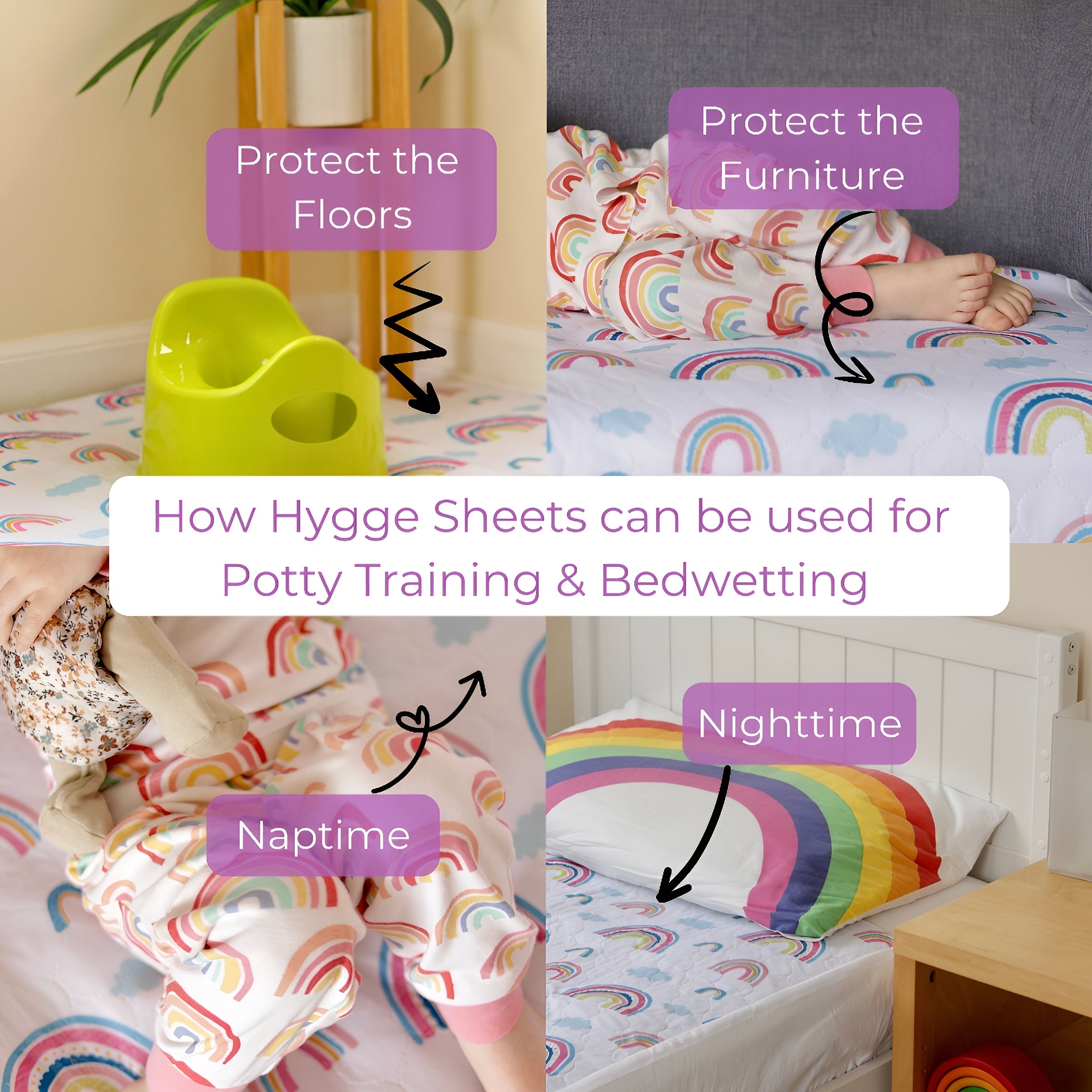
These occasions can be stressful for children who wet the bed, and short-term medication support can help protect their confidence. Even when desmopressin is used, many families still appreciate the reassurance of soft, discreet waterproof bedwetting sheets that protect the bed without feeling medical or embarrassing. Having both allows children to relax and say “yes” to sleepovers and trips away from home.
When Desmopressin is stopped, some children remain dry (the exact reason isn’t fully understood) while others return to wetting and may need ongoing or alternative support.
Bedwetting Isn’t Just About Hormones
While Desmopressin helps the kidney hormone system, bedwetting often involves more than one factor. Other common contributors include:
-
Constipation, which can press on the bladder
-
Bladder strength & capacity
-
Daytime drinking and toileting habits
-
Brain-bladder communication
This is why one single treatment rarely solves everything. A child may need extra support with their hormones, bladder training, bowel management or daily habit changes.
How Is Desmopressin Usually Used?
In clinical practice it is usually used in planned treatment cycles, for example:
-
Using it nightly for a few months
-
Stopping to see if dryness continues
-
Restarting if needed
These breaks allow the child’s body to mature naturally while still giving them relief from nightly wetting. Over time, many children no longer need the medication. For some kids, it works really well. For others, it’s not the right fit, and that’s okay!
Regular reviews with a healthcare professional help ensure the treatment remains safe, effective, and appropriate.
Medication & Skills
While Desmopressin reduces urine production, long-term success often comes from combining it with skills that support bladder health.
This can include:
-
Drinking more fluids earlier in the day
-
Reducing drinks close to bedtime
-
Regular daytime toileting
-
Managing constipation
-
Gradually moving away from night-time pull-ups
-
Using a bedwetting alarm (for some children)
Medication helps the biology, habits help the system work better. Together, they support lasting progress.
What About Bedwetting Alarms?
Bedwetting alarms are another internationally recommended first-line treatment. They work by teaching the brain to respond when the bladder is full during sleep.
For some families, alarms are the best place to start. For others, desmopressin makes more sense or the two may be used together. There is no single “right” approach. What matters is finding what works for your child and your family.
A Quick Word On Side Effects
Desmopressin is generally very safe when used correctly, but it isn’t suitable for every child. A healthcare professional will:
-
Check medical history
-
Give clear instructions on fluid intake
-
Monitor how well it is working
-
Adjust or stop treatment if needed
Parents should always feel comfortable asking questions. Informed families make the best decisions.
The Takeaway
Bedwetting is not a failure, it is a developmental delay that almost always resolves with the right support.
The best outcomes happen when:
-
The cause is understood
-
The treatment matches the child’s needs
-
Parents feel confident and supported
If you’re unsure what your child needs, speak to a healthcare professional. You don’t have to figure this out alone and neither does your child.
