























Dealing with bedwetting in children can be a challenging and often disheartening experience for parents. The frustration and concern are entirely understandable, but what if there’s an underlying cause that’s often overlooked? One of the most common (and under-recognised) contributors to bedwetting is constipation. While it may not seem obvious at first, the connection between these two issues is well established and addressing constipation can sometimes be the key to resolving nighttime accidents. In this article, we’ll explore how constipation affects bladder function, what signs to look for, and what you can do to help your child.
Understanding the Body's Dynamics
To understand the connection, it helps to picture what’s happening inside your child’s body (don't worry, you don’t need a Biology PhD for this). The bladder, which stores urine, sits in the lower abdomen. Right behind it is the rectum, where stool is stored before a bowel movement. These two organs are close neighbours. When everything is working normally, they function independently without interfering with each other.
However, when the rectum becomes filled with stool, it can begin to press against the bladder. This pressure can reduce the bladder’s capacity and cause irritation, making it harder for your child to stay dry through the night.
The Constipation Factor
When constipation enters the scene, it can throw off the delicate balance in this abdominal neighbourhood. Constipation, or the backup of stool in the rectum, exerts pressure on the bladder. This pressure can irritate the bladder muscles and, in turn, lead to:
This can lead to:
- Reduced bladder capacity
- Increased urgency
- Difficulty recognising the need to wee
- Bedwetting during sleep
In children, whose nervous systems and bladder control are still developing, this effect can be even more significant.
Hidden Constipation
One of the biggest challenges is that constipation isn’t always obvious. Many children with bedwetting may actually have “hidden constipation.” They might still go to the toilet regularly, but not fully empty their bowels.
Signs to watch for include:
- Large or hard stools
- Pain when pooing
- Skid marks in underwear
- Avoiding or delaying toilet trips
- Occasional stomach aches
Because it can be subtle, constipation is often missed unless specifically looked for.
Why It Matters
Understanding the constipation-bedwetting link is crucial for parents grappling with nightly incidents. Addressing constipation may well be the key to unlocking the mystery of bedwetting. It provides an opportunity to treat the root cause rather than merely managing the symptom.
UK guidance from organisations like NICE and the NHS emphasises that constipation should be treated as a priority when managing bedwetting.
In many cases, improving bowel habits can significantly reduce or even resolve nighttime wetting. This approach focuses on treating the root cause rather than just managing the symptoms.
The Role of Hygge Sheets
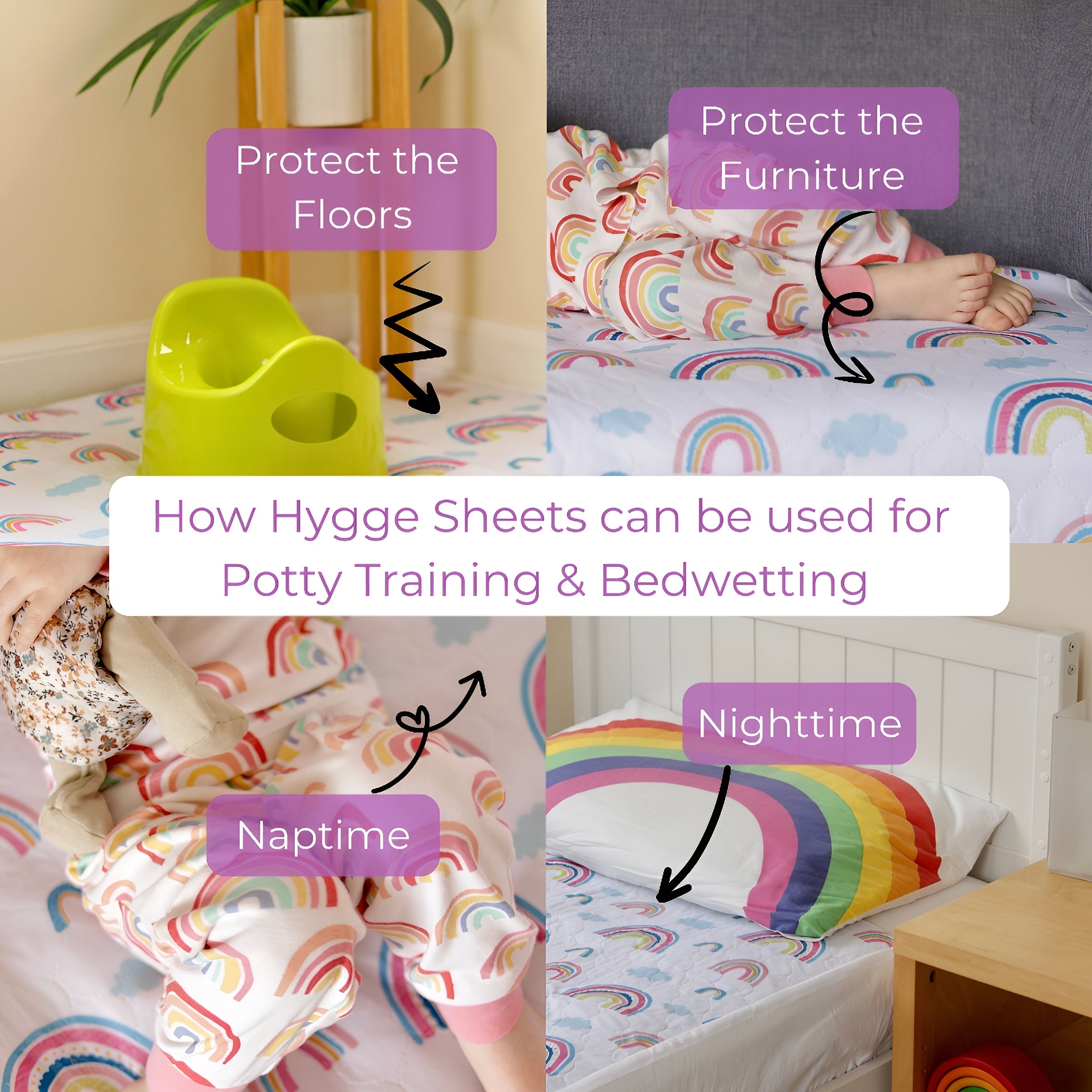
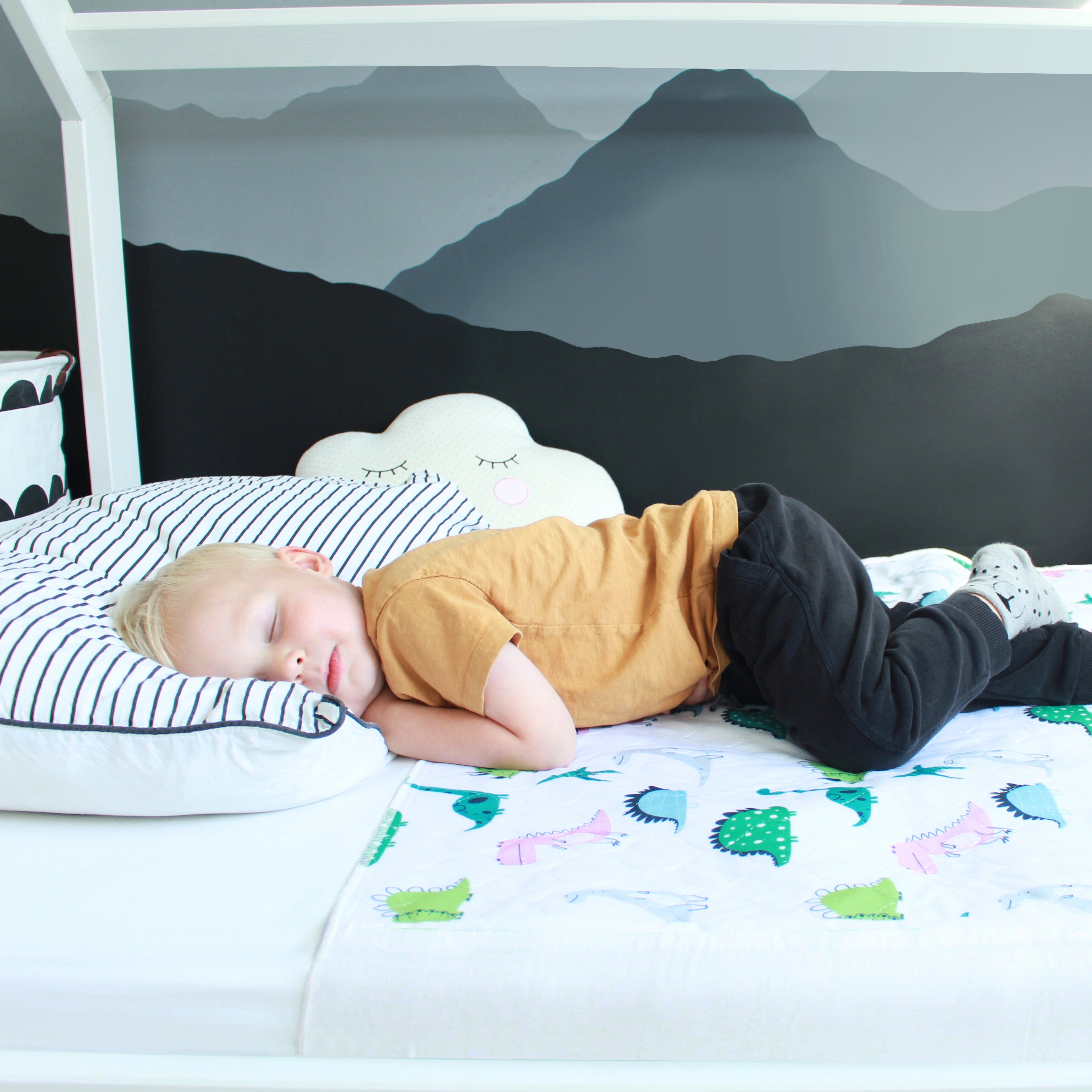
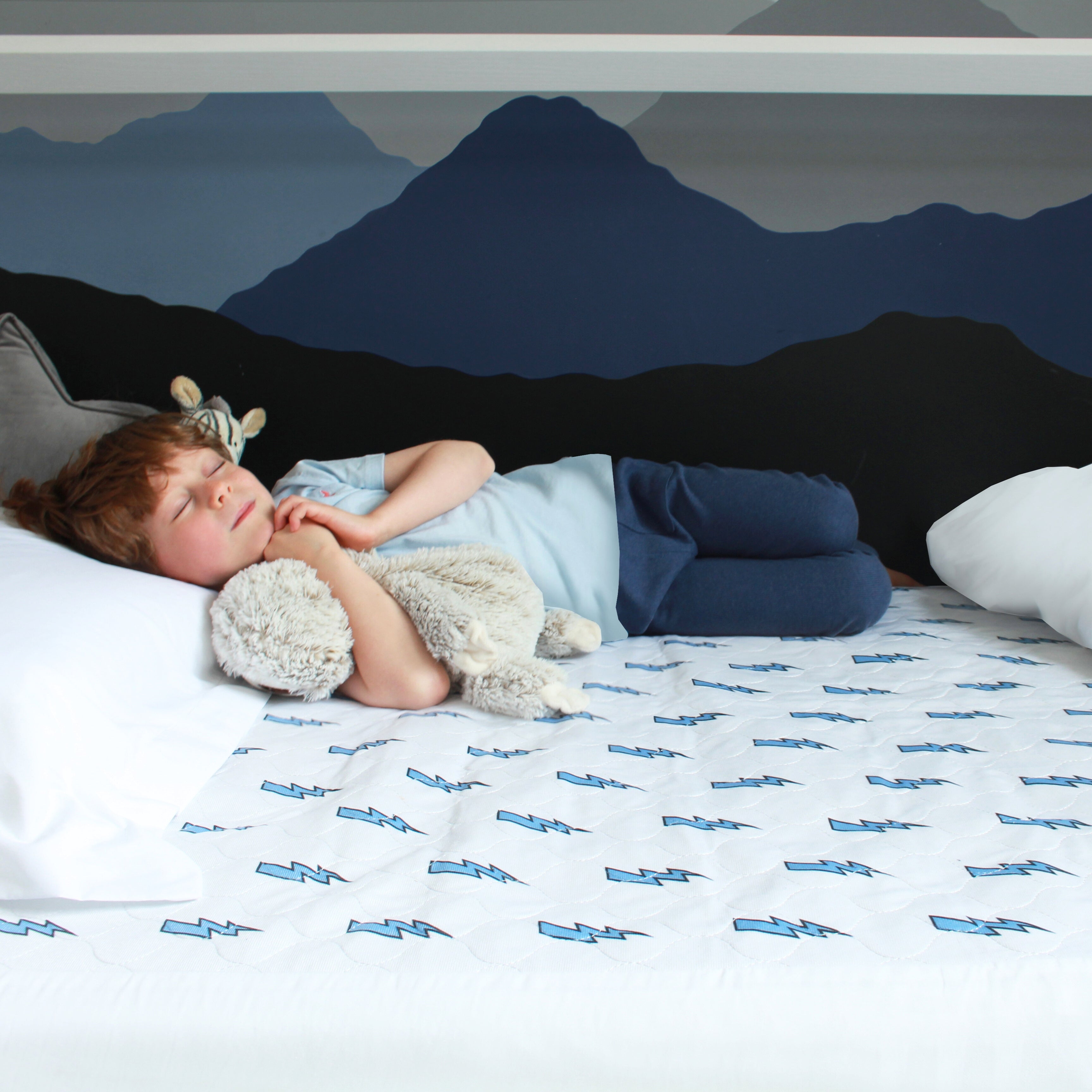
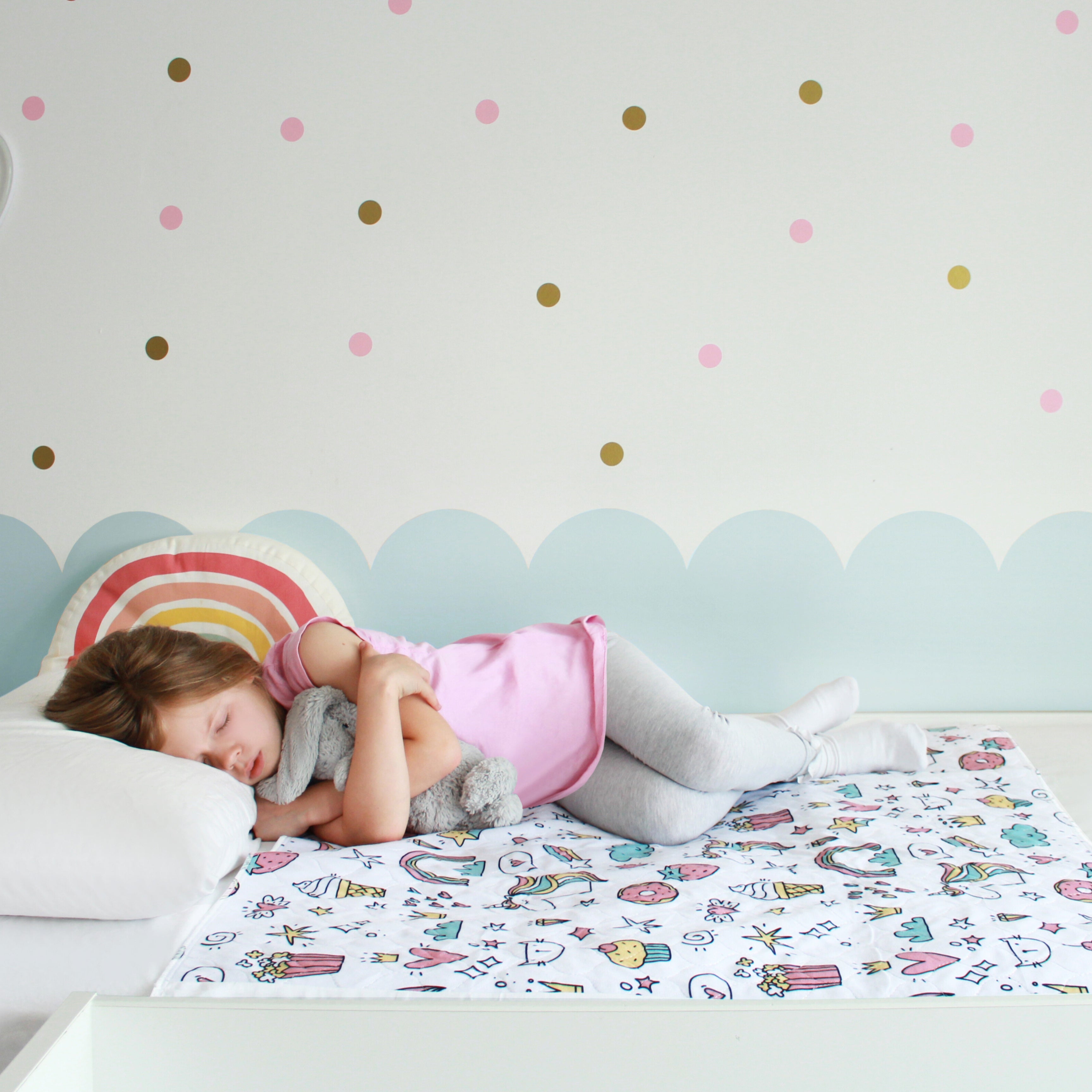
While working to resolve the constipation issue, managing bedwetting is equally important. Hygge Sheets waterproof bedwetting sheets, with their breathable and absorbent properties, can be a game-changer for both parents and kids. These bed wetting sheets provide a comfortable and protective layer, ensuring that the bed remains dry.
Steps to Address Constipation
Now that we understand the connection, if you suspect constipation may be contributing to bedwetting, here are some practical steps you can take:
- Dietary Changes – Ensure your child's diet includes fibre-rich foods like fruits, vegetables, and whole grains to promote regular bowel movements.
- Hydration – Encourage your child to drink plenty of water, as staying hydrated supports healthy digestion.
- Toilet Routine – Encourage your child to sit on the toilet after meals (especially after breakfast and dinner). This takes advantage of the body’s natural digestive reflex.
- Medical Consultation – If constipation persists, consult with a healthcare professional. They can provide guidance on appropriate laxatives or other interventions tailored to your child's needs.
- Toilet Position - Make sure your child is sitting comfortably
-
- Feet supported on a step stool
- Knees slightly higher than hips
- Leaning slightly forward
This position helps the bowel empty more effectively.
When to Seek Further Help
It’s a good idea to speak to a healthcare professional if:
- Bedwetting continues beyond age 7
- Your child also has daytime wetting
- Constipation isn’t improving with simple changes
- There is pain, distress, or other concerning symptoms
In some cases, treatments such as Desmopressin may be recommended for short-term support, particularly for sleepovers or special occasions.
It’s Not Your Child’s Fault
Perhaps most importantly, it’s essential to remember that bedwetting is not your child’s fault. With the right support and by addressing underlying issues like constipation, most children grow out of it naturally.
The link between constipation and bedwetting is one that deserves more attention. By recognising the signs and taking simple, supportive steps, you can help your child move towards dry nights with greater comfort and confidence.
Sometimes, solving the problem starts with looking in a place you might not have expected and in this case, the gut may hold the answer. By addressing constipation and equipping your child with the right tools for nighttime potty training, you can help them achieve dry nights with confidence.
