














A Gentle Guide to Potty Learning
Learning how to use the potty is a very big step for both you and your child and can feel very overwhelming. Everyone has an opinion and there is a lot of information and advice out there and techniques that can leave you feeling, conflicted, daunted and confused. Some say “wait until they’re ready,” while newer guidance suggests starting earlier and building skills gradually.
While guidance continues to evolve, organisations like ERIC, health visitors and early years guidance now encourage a more gradual approach called “potty learning” which in practice means:
-
Potty use is a skill that develops over time, not all at once
-
Children can start learning before they’re fully “ready”
-
Nappies are usually phased out gradually, rather than stopped suddenly
What Is Potty Learning and Why Has Guidance Changed?
Traditionally, parents were told to wait until their child showed clear “readiness signs,” then start potty training and remove nappies fairly quickly. However, as ERIC explains, children don’t suddenly become “ready” they learn through opportunity, practice and repetition over time.
New guidance recognises that using the toilet is actually made up of 40 different skills, including:
-
Recognising the feeling of needing to go
-
Holding on
-
Communicating
-
Sitting and using the potty
-
Managing clothes and hygiene
These don’t all appear at once and waiting for them to line up perfectly can sometimes delay the process or make it feel more pressured. Which is why the guidance has shifted. Potty learning focuses on building these skills gradually, through everyday routines, exposure, and practice.
This shift is important because it takes the pressure off both parents and children, moving away from the idea of a single ‘right time’ and towards a more flexible, supportive approach. It helps children feel more comfortable and confident, often leading to fewer struggles or setbacks later on. For many families, this means there isn’t a clear “start day", just a gradual transition over time.
Benefits of a Potty Learning Approach
-
You don’t have to wait until your child can do everything independently before introducing the potty. They can begin learning little by little over time.
-
It’s not necessary to wait until your child tells you they don’t want nappies anymore. Communication develops gradually, and words often come later in the process.
-
By the time you start moving away from nappies, your child is likely to have already developed some of the key skills that make the transition easier.
-
Supporting your child step by step, based on what they’re able to do at each stage, creates a more relaxed and manageable learning experience.
-
The more opportunities your child has to practise with your support, the more confident and comfortable they’re likely to feel when nappies are eventually phased out.
You can find more advice and guidance on the ERIC website, including support around the preparation and practice stages of potty learning.
Signs Your Child May Be Ready to Start Practising (Not Perfect Yet)
Each child is different and will display these signs at different times. You know your child better than anyone so try not to compare. Rather than waiting for a perfect checklist, it can help to look for signs that your child is starting to build the skills and awareness they need. Below are some common signs that your child may be ready to start using a potty alongside nappies and begin reducing reliance on them.
1. They Show Interest in the Toilet
Your child may start following you into the bathroom, watching closely, or asking questions about what you’re doing. They might want to wash their hands, flush the toilet, sit on it (even with clothes on), or imitate bathroom habits during play.
This curiosity shows they’re beginning to connect the idea of the toilet with what their body does. It’s also a sign they’re mentally ready to start learning something new. Encouraging this interest by talking openly and positively about the toilet can help build familiarity and reduce any fear.
2. Longer periods with Dry Nappies
One sign your child’s bladder control is developing is staying dry for longer periods which will lead to fewer accidents. If you notice your child staying drier throughout the day, you are using less nappies or they are consistently waking up dry after their daytime nap. This can be a helpful point to start offering more regular potty opportunities.
This can be helpful, as using a potty involves your child beginning to ‘hold it’ long enough to get there. Without this ability, accidents will be more frequent and frustrating. You might also notice that when they do go, it’s a larger amount rather than frequent small amounts.
3. They Recognise When They Need to Go
Awareness is a key step in the process, and shows that your child knows what they are doing and recognises their bodily functions. At first, your child may simply pause, squat, hide behind furniture, or make a particular face when they need to go. Later, they might tell you after they’ve already had a wee or poo.
Even saying “I did a poo” after the fact is progress, showing they’re starting to connect the sensation with the outcome. Eventually, this awareness develops into telling you before they go, which is when using a potty becomes much easier to introduce successfully.
4. Understanding Simple Instructions
Using the potty isn’t just one action it’s a sequence of around 40 small skills your child builds over time. An example of understanding an instruction is “Go and get your shoes”, or being able to go and get an object and bring it back to you.
If your child can already follow basic instructions in other parts of daily life, it’s a good sign they’ll be able to grasp the routine involved in using the potty. This also helps reduce frustration, as they’re able to understand what’s expected of them and participate actively rather than passively.
5. They Dislike Dirty Nappies
Modern nappies are so advanced that they lock moisture away incredibly well, which can make it harder for children to actually feel when they’re wet. Because of this, some children don’t get that natural signal of discomfort that traditionally helped trigger potty training readiness.
When a child does start to notice and feel uncomfortable in a wet or dirty nappy, it marks an important emotional shift. They might ask to be changed straight away, try to remove their nappy, or show clear signs of irritation. That growing awareness and dislike becomes a powerful motivator. Using a potty starts to feel like a better option because it helps them stay dry and comfortable.
6. They Can Pull Clothes Up and Down
Being able to show independence in dressing and undressing, even partially, is a practical but important skill. By this stage they may even want to choose their favourite clothes. Using the potty involves your child learning to pull trousers or underwear down quickly and pull them back up afterwards.
If they can already do this (or are eager to try), it supports their independence and reduces reliance on you in the moment. This can make a big difference, especially when they’re learning to respond quickly to the urge to go.
7. They Show Signs of Independence
A growing desire for independence often shows up as “I can do it!” or “let me try.” While this can sometimes be challenging in other situations, it’s incredibly helpful for potty training.
Children who want to do things on their own are often more willing to take ownership of using the toilet. They may feel proud of their achievements and respond well to encouragement. This internal motivation can make the learning process smoother and more positive overall.
8. Being Able to Communicate
Being able to communicate is a key part of successful potty training, as it allows your child to let you know when they need a wee or a poo. Encouraging this early on can make the whole process much smoother and less stressful for both of you. It’s helpful to consistently use simple, clear words like “wee” and “poo” so your child can easily understand and begin to associate these terms with what their body is doing. Even before you officially start potty training, you can begin building this awareness through potty learning. When you notice your child doing something in their nappy, gently ask, “Are you doing a wee or a poo?” Over time, this repetition helps them recognise the sensation and connect it with the right words, giving them the confidence to communicate their needs when the time comes.
There is, however, an important caveat particularly for non-verbal autistic children. Communication may not follow the same path, and readiness cues can look different. In these cases, it’s helpful to focus on alternative forms of communication, such as gestures, visual supports, or consistent routines, rather than spoken words alone.
So When Do You Actually Stop Using Nappies?
This is where many parents feel unsure and where the shift to potty learning is most noticeable. Rather than waiting for all the signs to appear and then stopping nappies suddenly, current guidance supports a gradual transition. Some families move quickly, while others take a slower approach both are completely normal.
For many families, this looks like:
-
Introducing a potty while still using nappies
-
Offering regular chances to sit on it (e.g. after meals or before bath)
-
Letting your child get used to the routine
Nappies are then reduced as your child:
-
Becomes more aware of when they need to go
-
Starts using the potty occasionally
-
Feels more confident
There often isn’t one clear moment, just a steady shift from nappies to pants.
Making It Easier for You Both
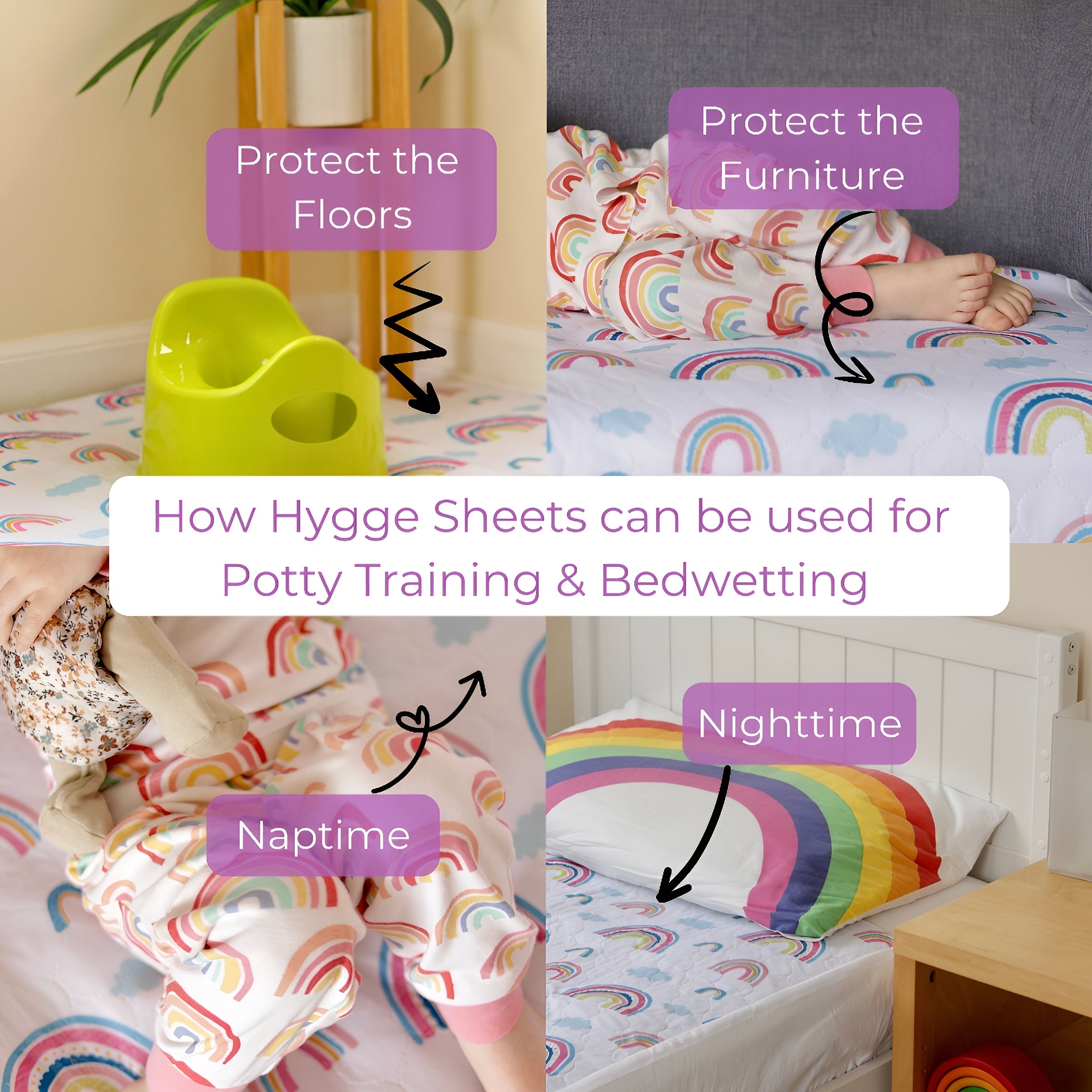
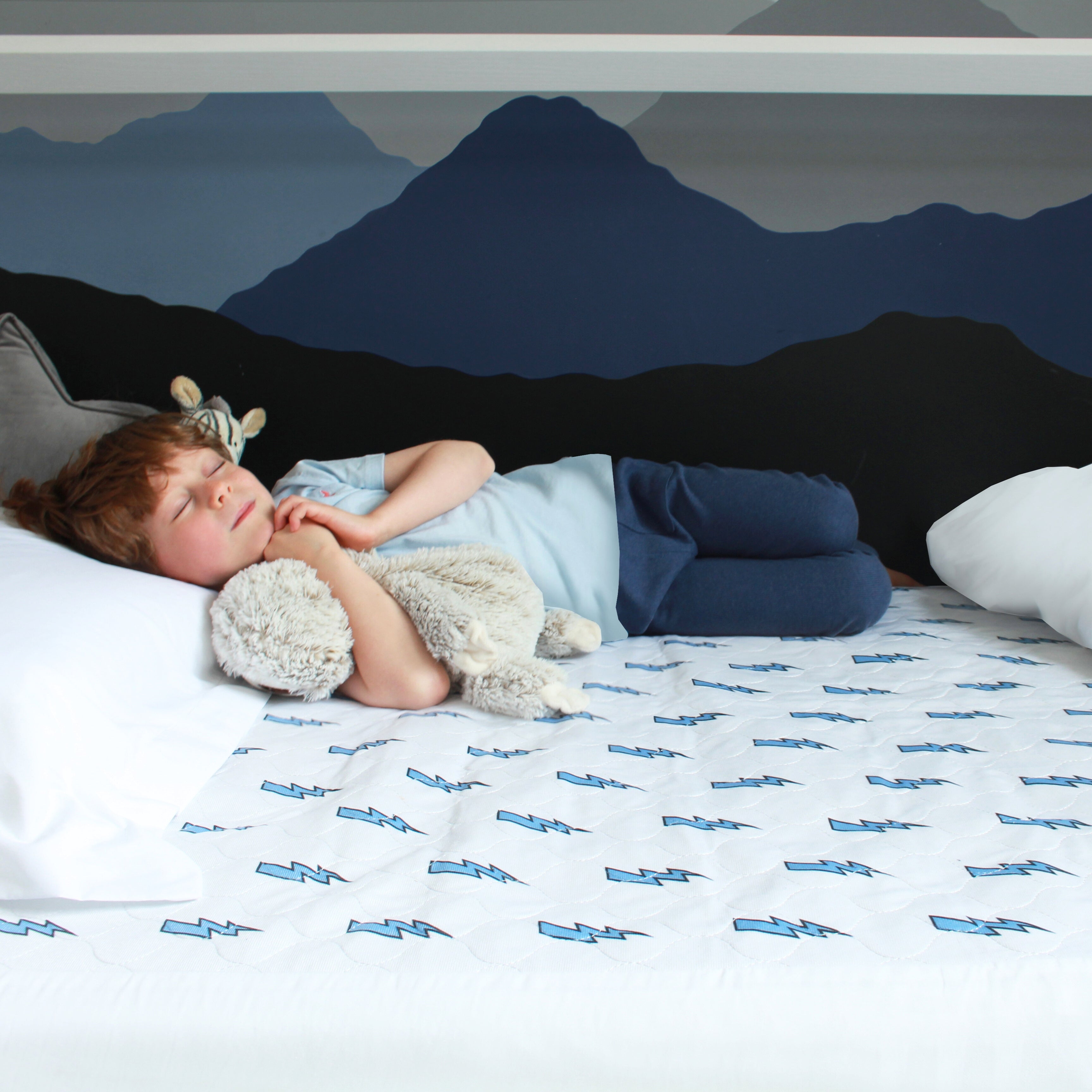
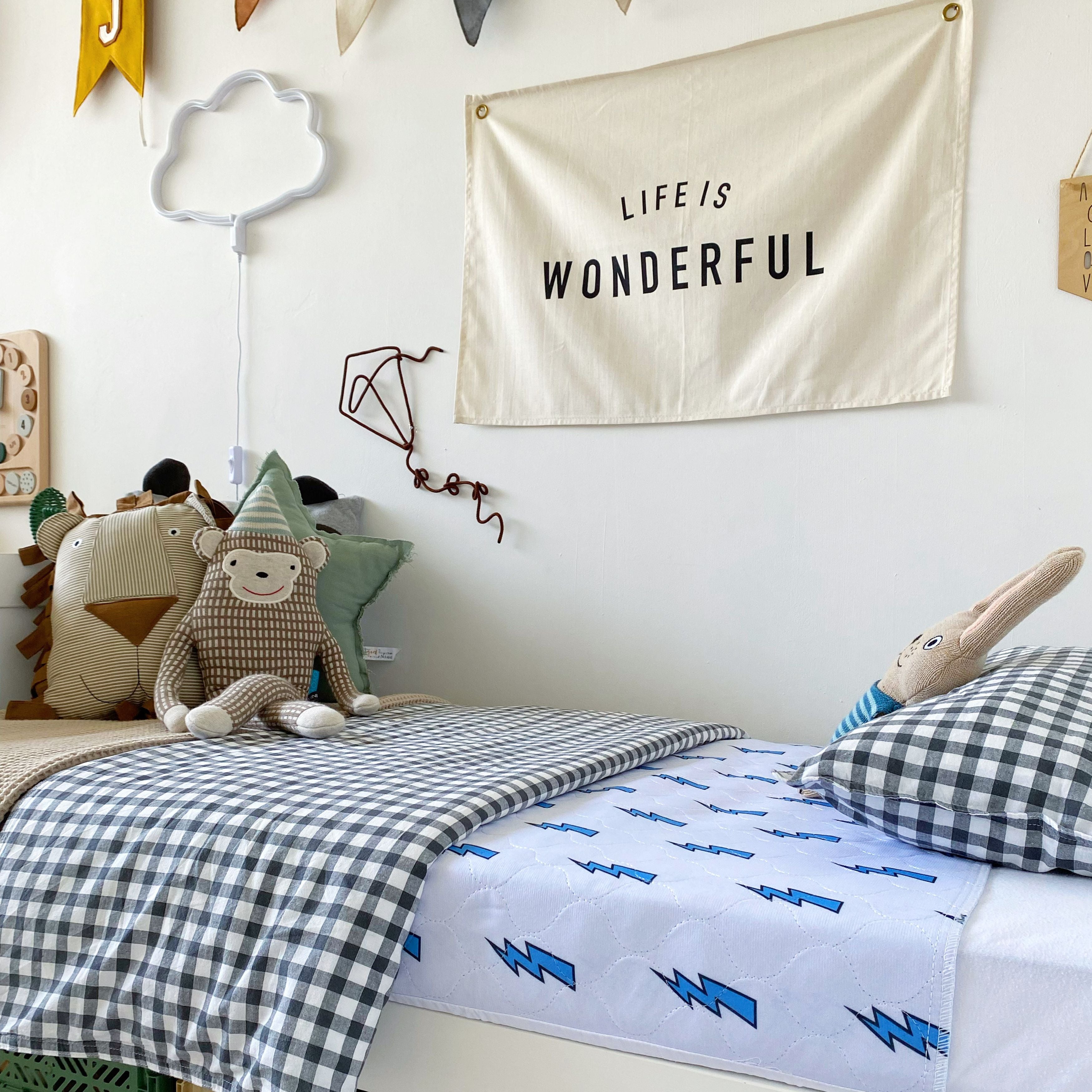
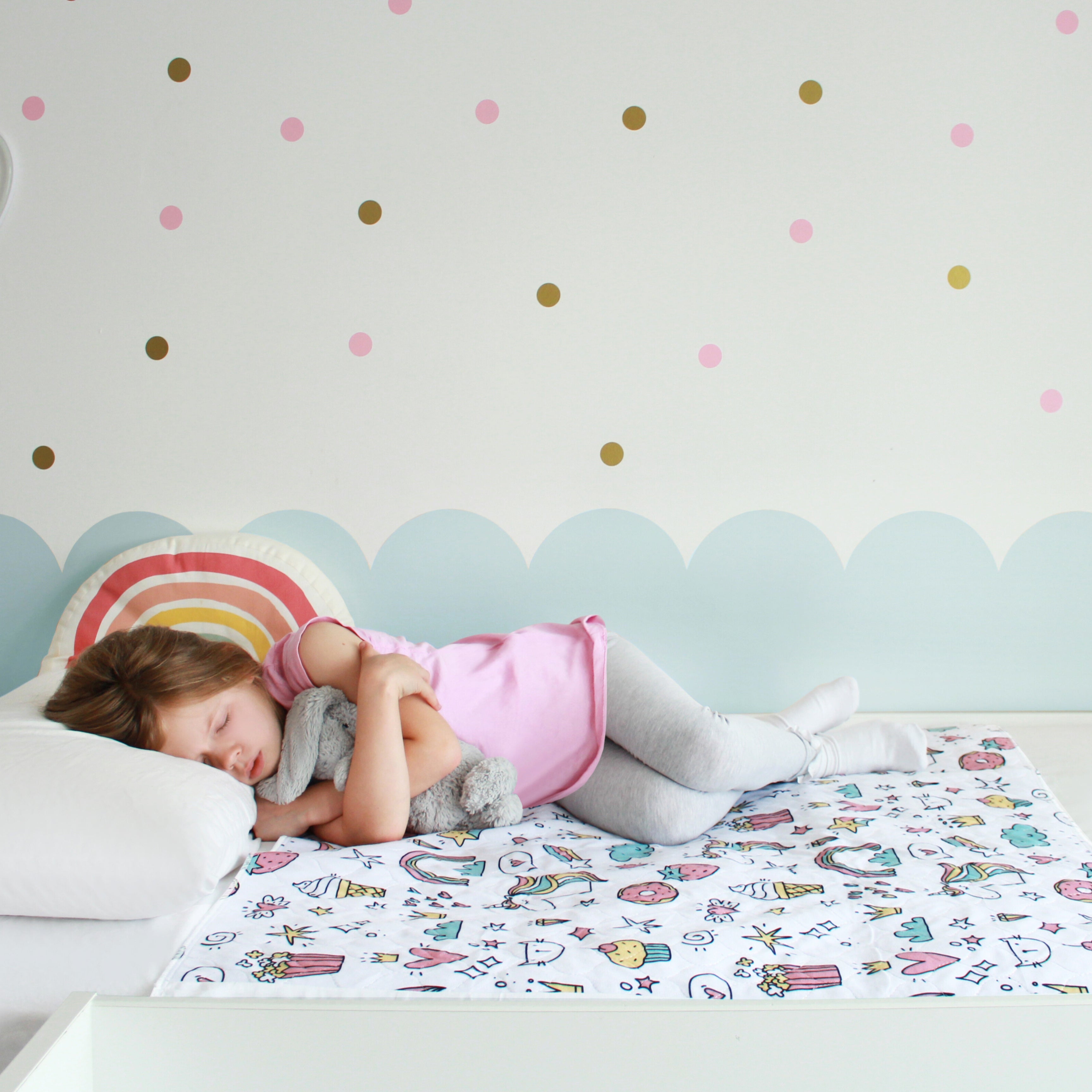
Accidents are a completely normal part of the process, so preparing your space can really help reduce stress. Using a waterproof sheet under the potty is a simple but effective way to protect your floors, furniture and carpets. It also gives your child the confidence to learn without worry, creating a more relaxed and positive environment for both of you.
Timing Still Matters
Even with a gradual approach or if your child shows several of these signs, timing still matters. It is very easy to listen to other people’s opinions and feel pressure from society to start potty learning. It can often help to pause or move more slowly during periods of change or stress, such as:
-
Moving house
-
The arrival of a new sibling
-
Starting nursery or childcare
-
Major disruptions to routine
-
Family difficulties such as a death
You should also pause if your child becomes anxious, resistant, or upset about the idea. Forcing the process can lead to negative associations and setbacks.
Potty learning isn’t about getting it “right” quickly, it's about helping your child build skills over time. By introducing the potty gently, offering regular opportunities to practise, and gradually reducing nappies, you’re supporting your child in a way that feels more natural, with less stress and pressure for everyone involved.
