

What’s Normal, What Helps, and How to Sleep Stress-Free
Undergoing surgery can be tough on your body physically and emotionally. One common issue many adults experience during recovery, yet rarely expect, is temporary urinary incontinence or adult bedwetting. If you (or someone you’re caring for) are waking up with wet sheets, it can be stressful but you’re not alone, and in many cases it is a normal part of healing.
Understanding Post-Surgery Incontinence
What’s Happening?
Urinary incontinence, defined as “the unintentional passing of urine” can occur after surgery for several reasons. This can range from leaking a few drops when exercising, coughing or sneezing to full bedwetting during sleep.
Surgery can temporarily affect bladder control if nearby nerves or muscles are inflamed, bruised or disrupted during the procedure. It is most common following surgery involving the pelvic region, such as prostate surgery, (prostatectomy), bladder surgery, or gynecological surgeries like hysterectomy. Damage or irritation to the muscles that control the bladder can weaken their ability to hold urine.
According to the Urology Times, post-operative urinary retention (inability to empty the bladder) is a well recognised complication after various surgical procedures, particularly pelvic surgeries. Leading to overflow leaks or sudden involuntary voiding.
Other factors can also contribute to bladder leakage after surgery, including:
-
Post-surgical medicines - New or temporary medications given during recovery such as water tablets, certain painkillers, muscle relaxants, sedatives, and drugs that affect bladder nerves.
-
Use of a urinary catheter - It’s common to have a catheter during or after an operation. When it is removed, the bladder may take time to work normally again, which can lead to urgency or accidental wetting for a short period.
-
Existing bladder or pelvic issues - If someone already has a sensitive bladder, weak pelvic floor muscles, or pelvic organ prolapse, these conditions can make post-surgery incontinence more noticeable or slower to improve.
Signs to Seek Medical Advice
In many cases this bedwetting is temporary, especially in the first weeks after surgery. However, if leaks continue beyond that, it’s worth talking to your surgeon or GP. Incontinence post surgery can vary from person to person and depends on various factors such as age, overall health and bladder control before surgery.
-
Persistent large volume urine leaks
-
Pain, fever, burning during urination (signs of infection)
-
Sudden inability to urinate at all
Your GP can check for underlying causes such as bladder infections or delayed nerve recovery.
Ways to Support Recovery
1. Pelvic Floor Muscle Training
Exercises that strengthen the pelvic floor are often recommended to help regain bladder control. While a lot of research is centered around managing long-term incontinence, pelvic floor training is also valuable for post-surgical recovery and can improve bladder control over time.
To do pelvic floor exercises:
-
Gently squeeze the muscles you would use to stop urinating – try not to pull your tummy in.
-
Hold the squeeze for 2 seconds.
-
Relax the muscles.
-
Repeat 10 times.
2. Bladder Training
Bladder training exercises can help you to extend the time between toilet trips, improve bladder capacity and control. Your GP or continence specialist can guide you on a tailored schedule.
3. Lifestyle Changes
Small lifestyle changes can make a big difference to bladder control while your body is healing:
-
Reducing caffeine and alcohol, which increase urine production
-
Drinking plenty of fluids earlier in the day and limiting evening intakes
-
Drink 6 to 8 glasses of fluid a day (but no more) unless your doctor advises you otherwise.
-
Prompting regular daytime toilet breaks
-
Stop smoking
-
Treat constipation
3. Comfortable, Practical Bedding Solutions
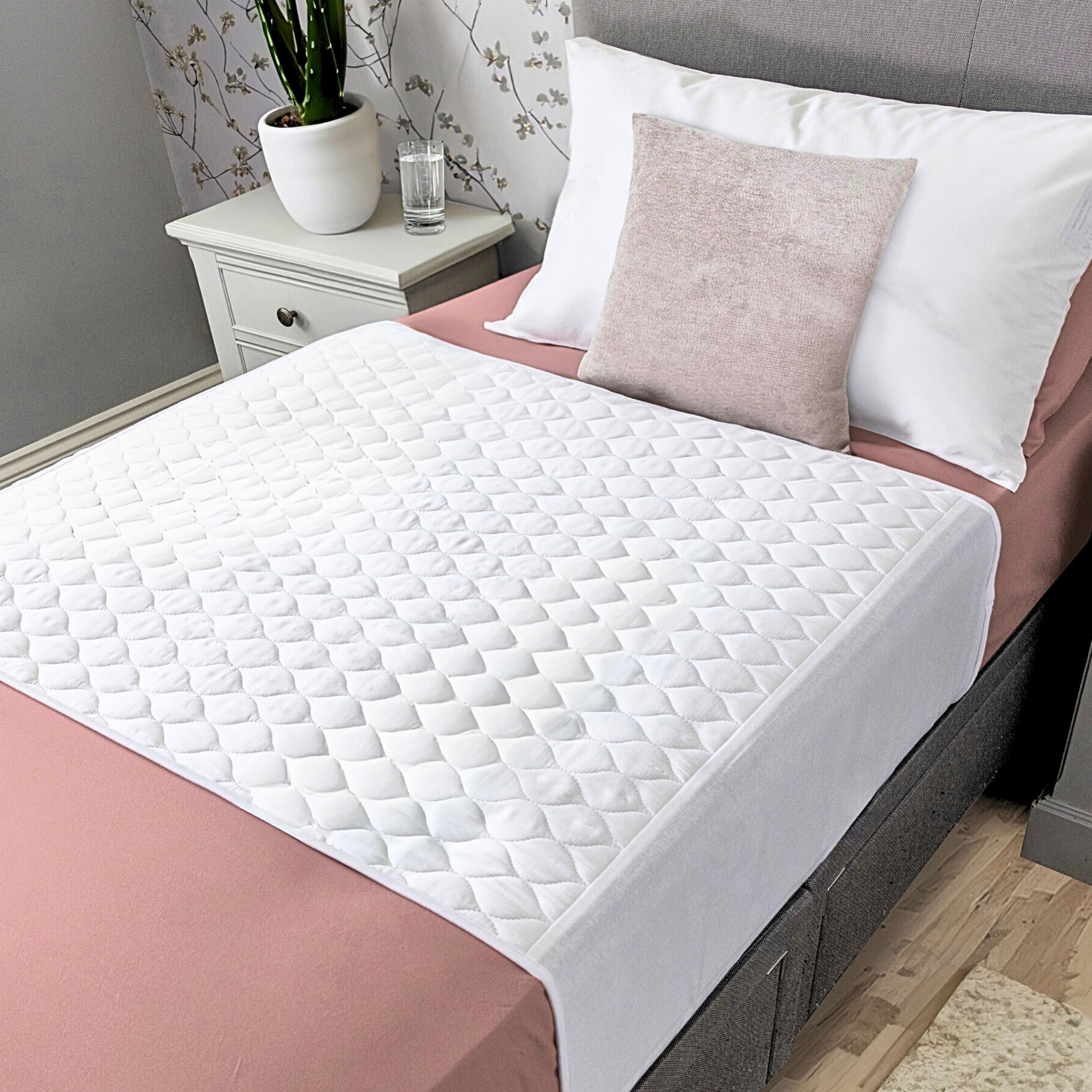
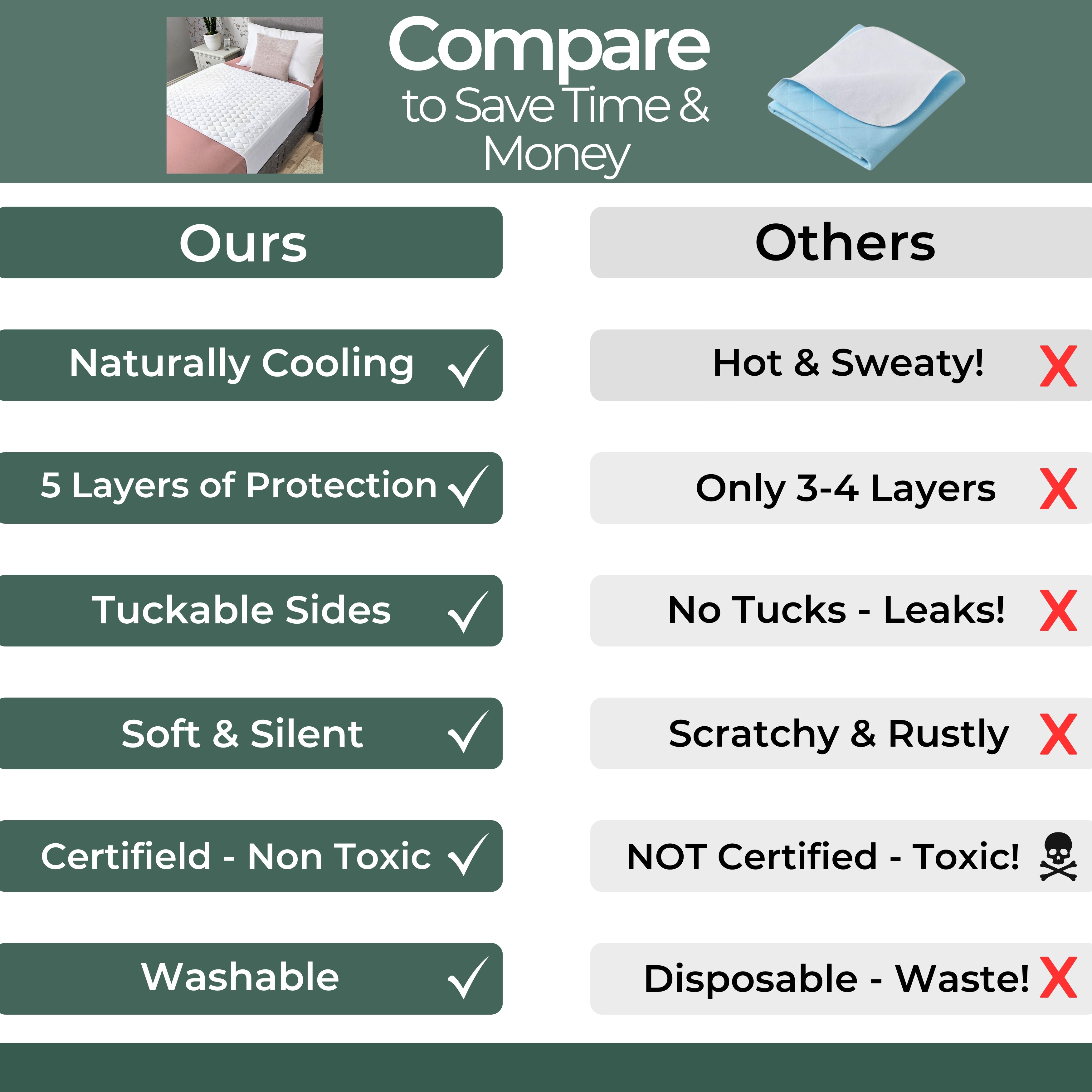
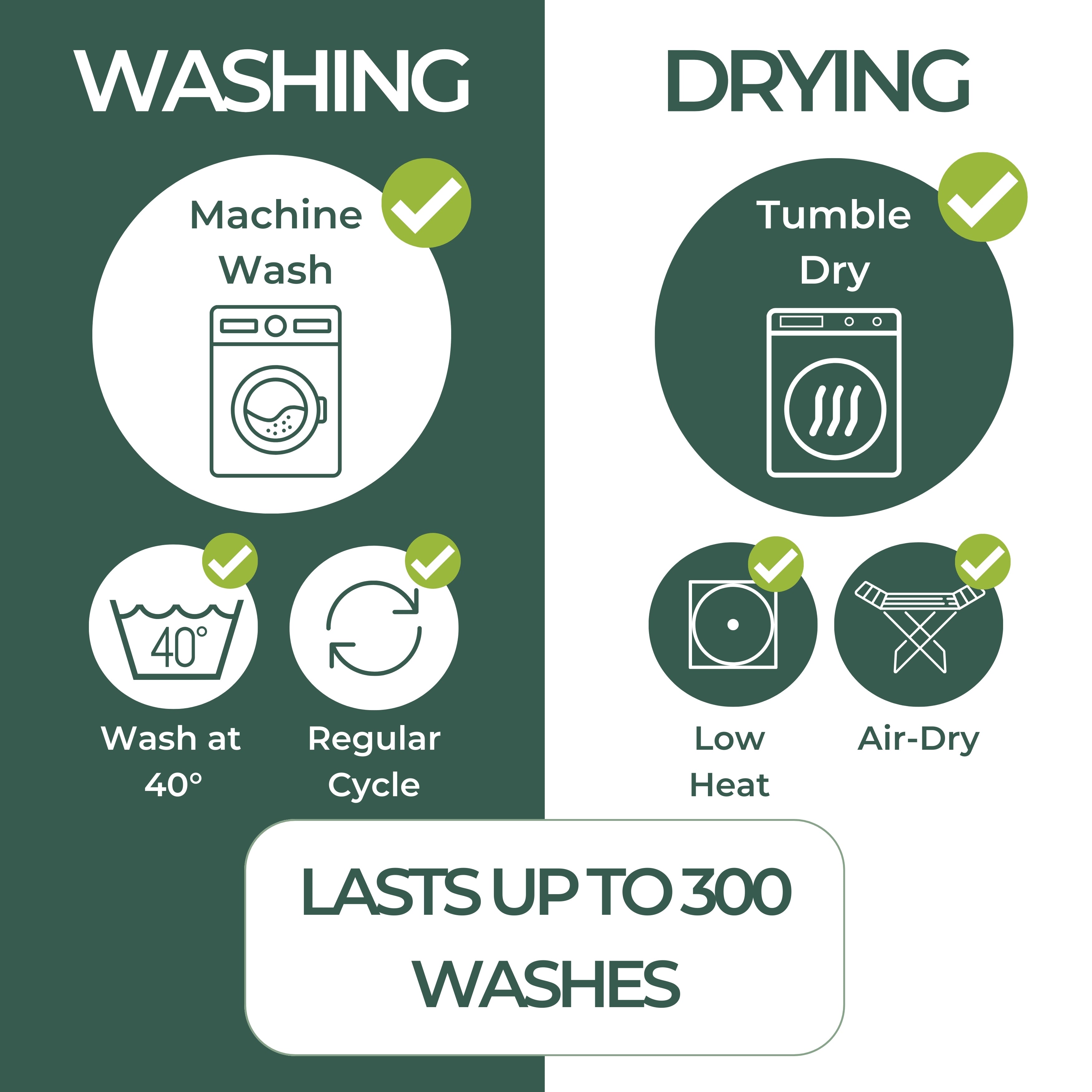
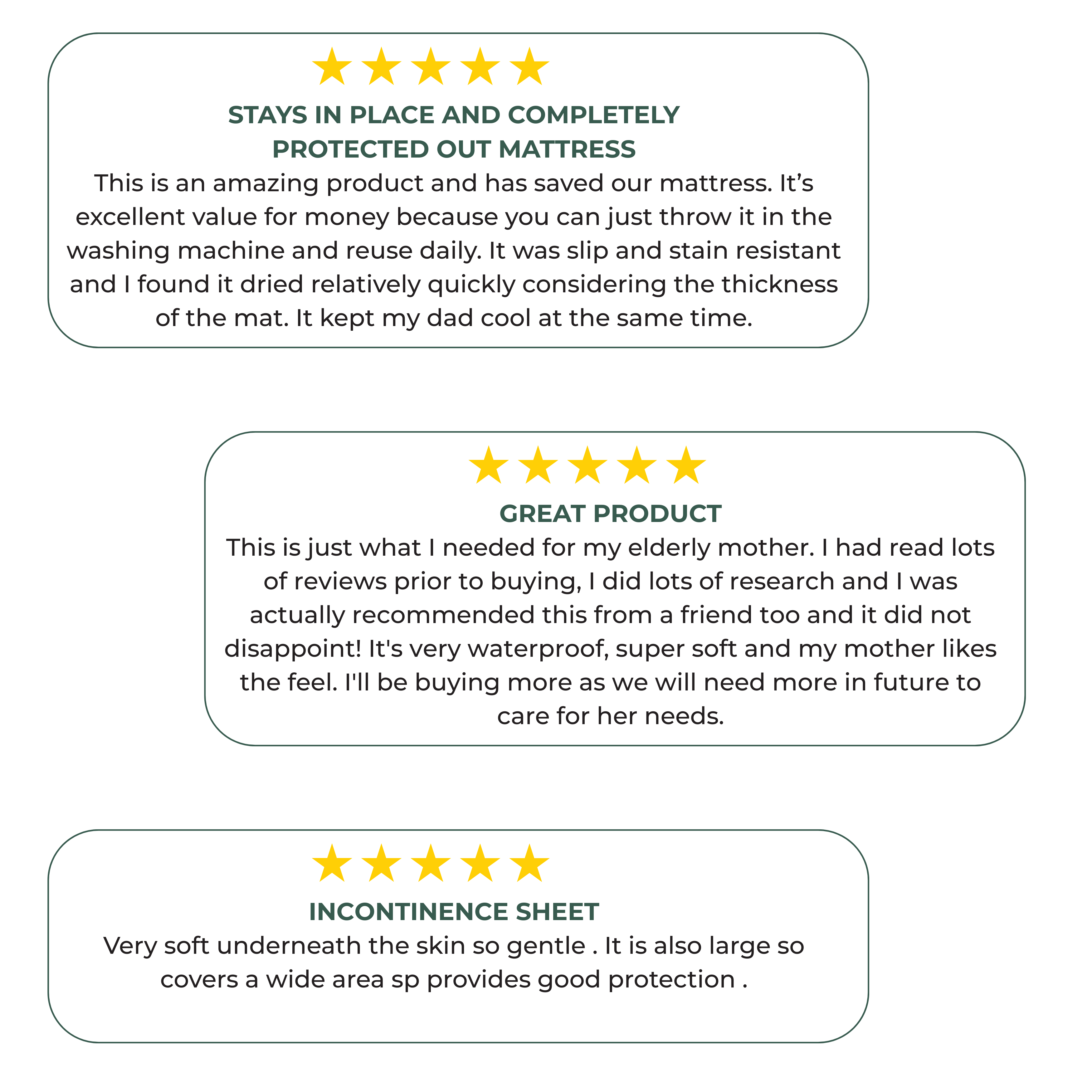
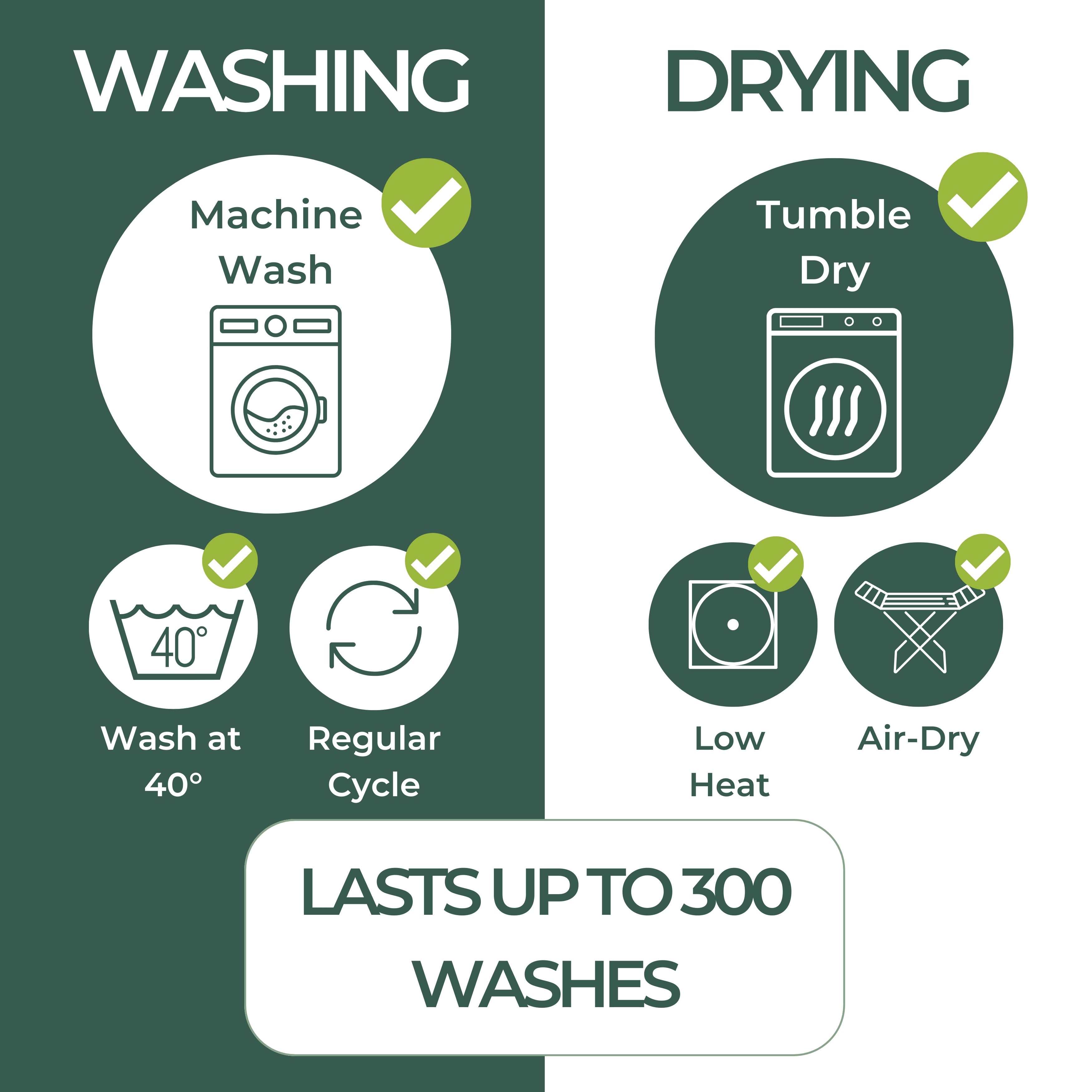
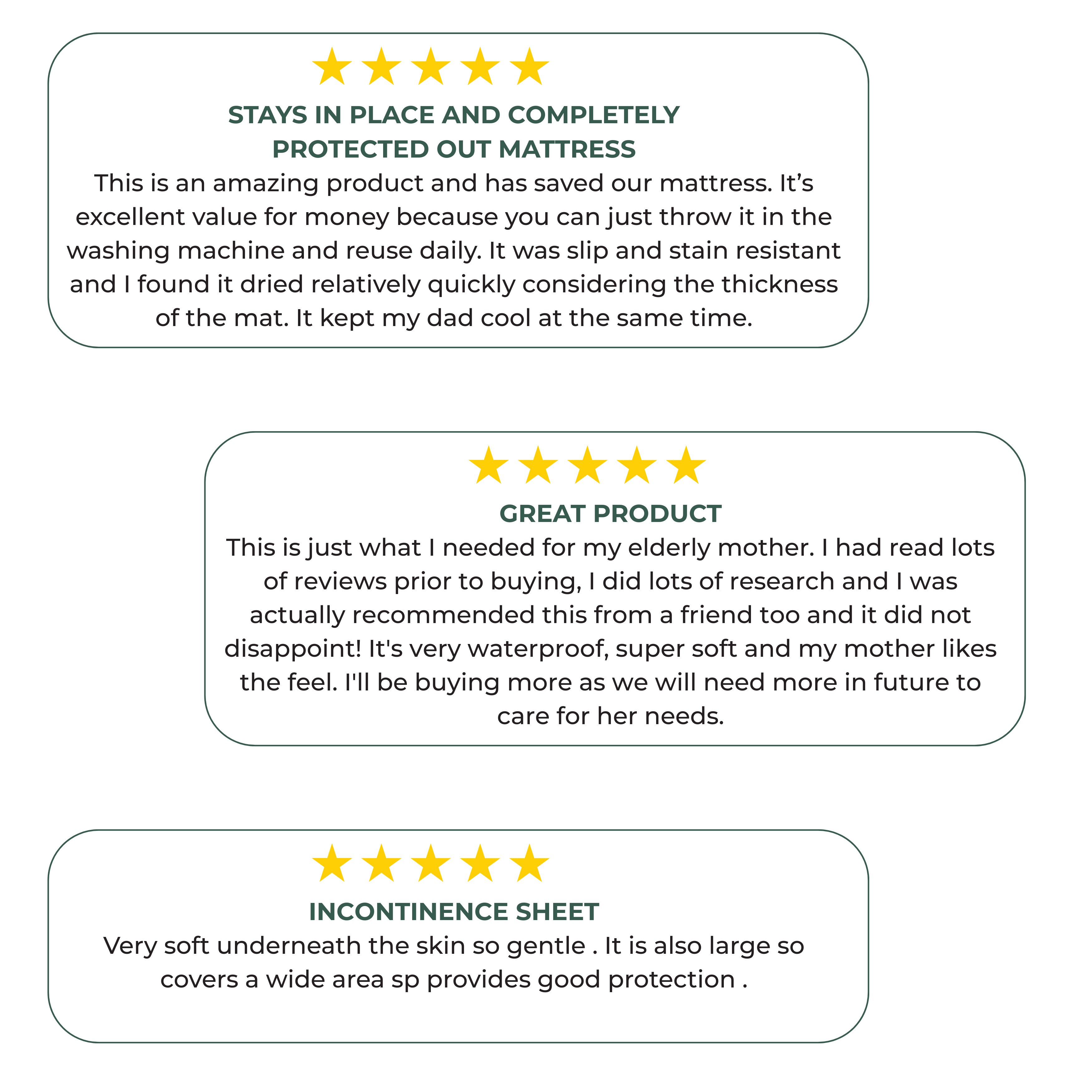
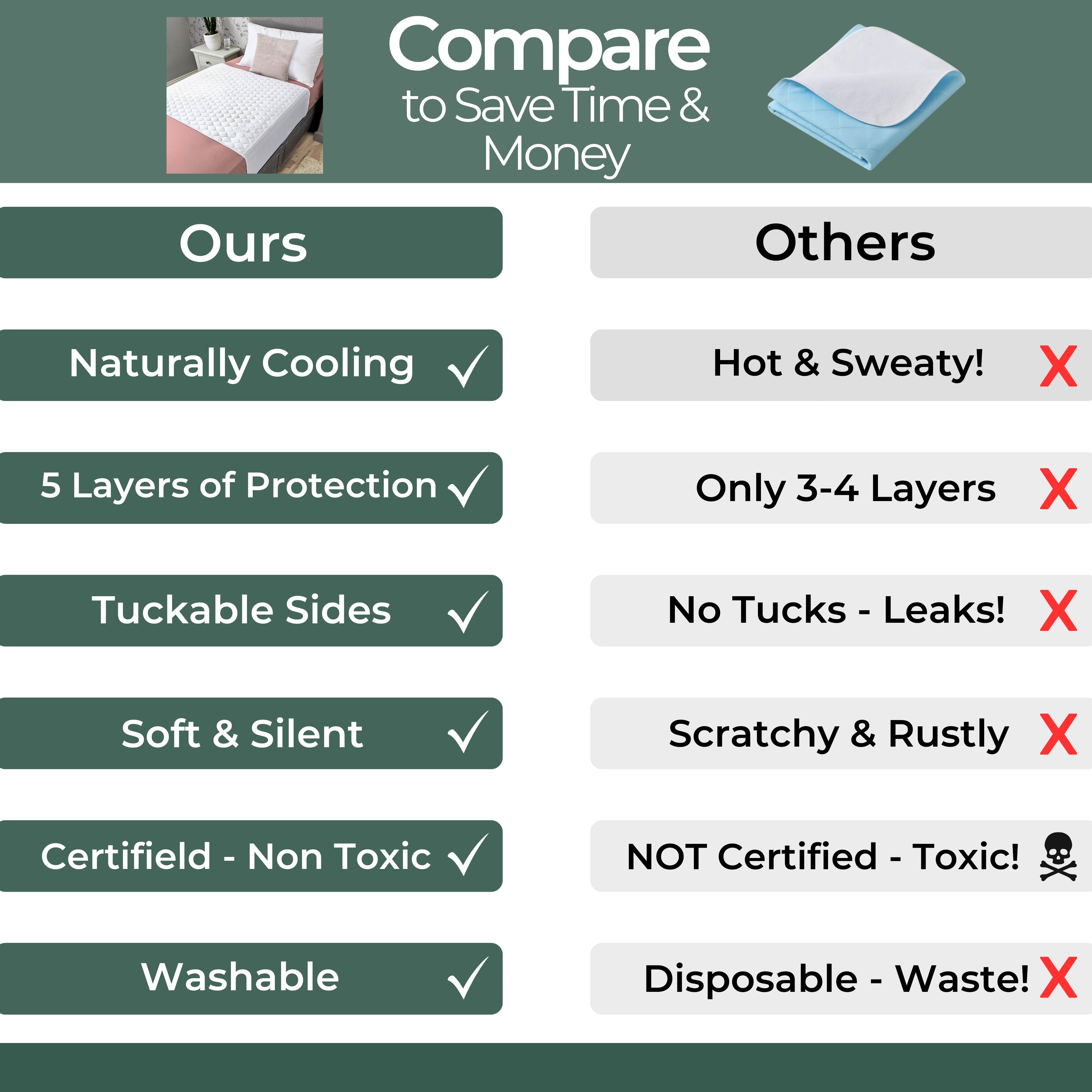
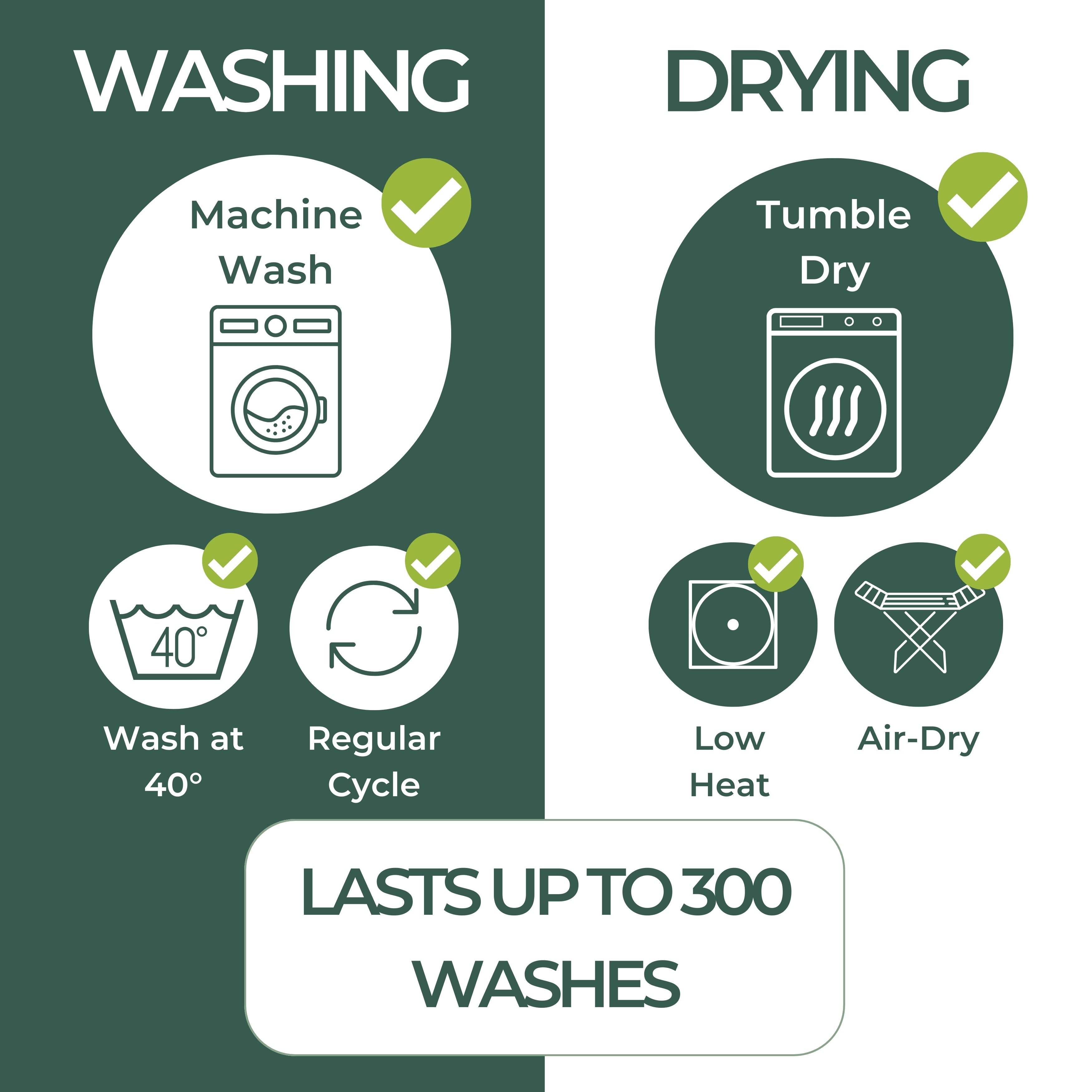
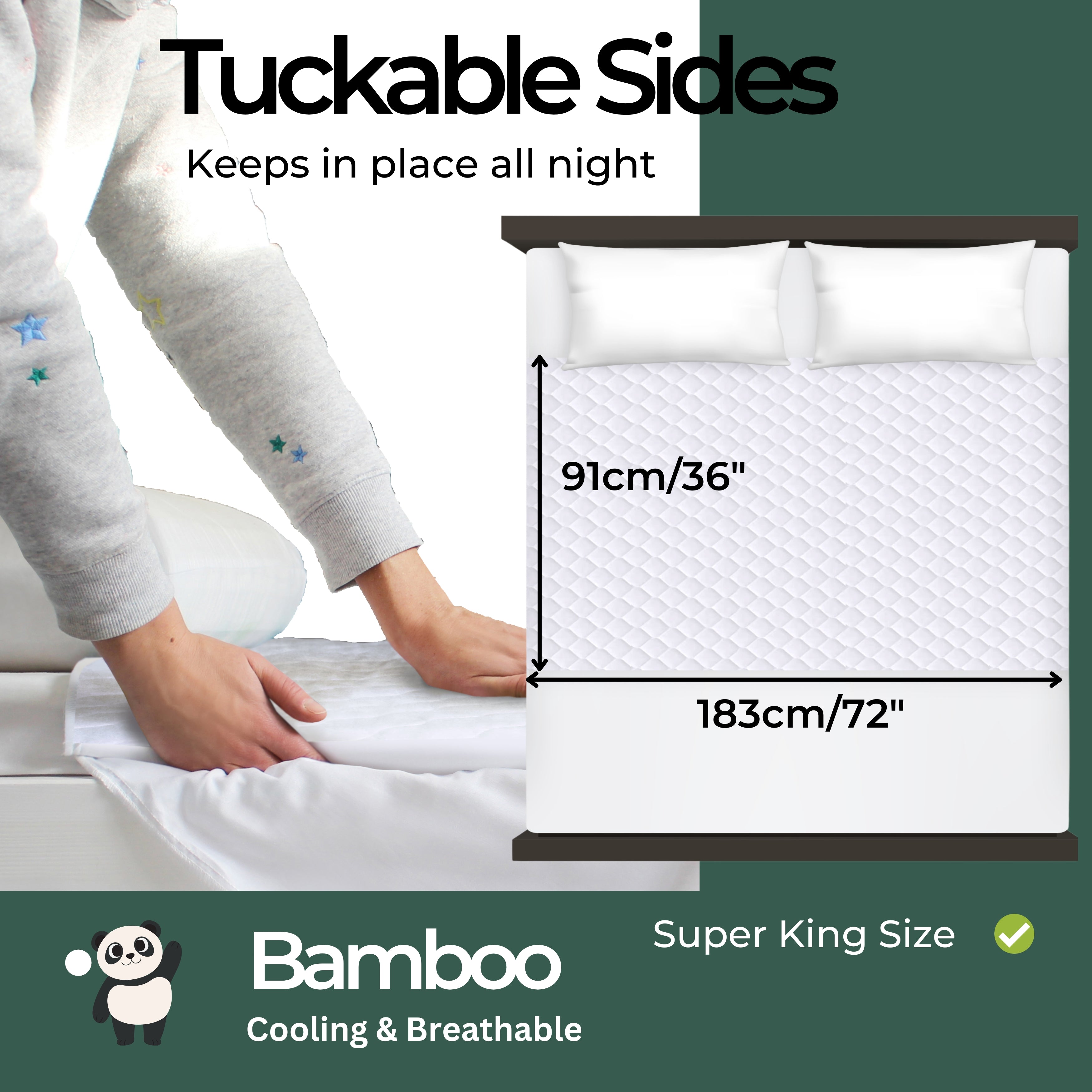
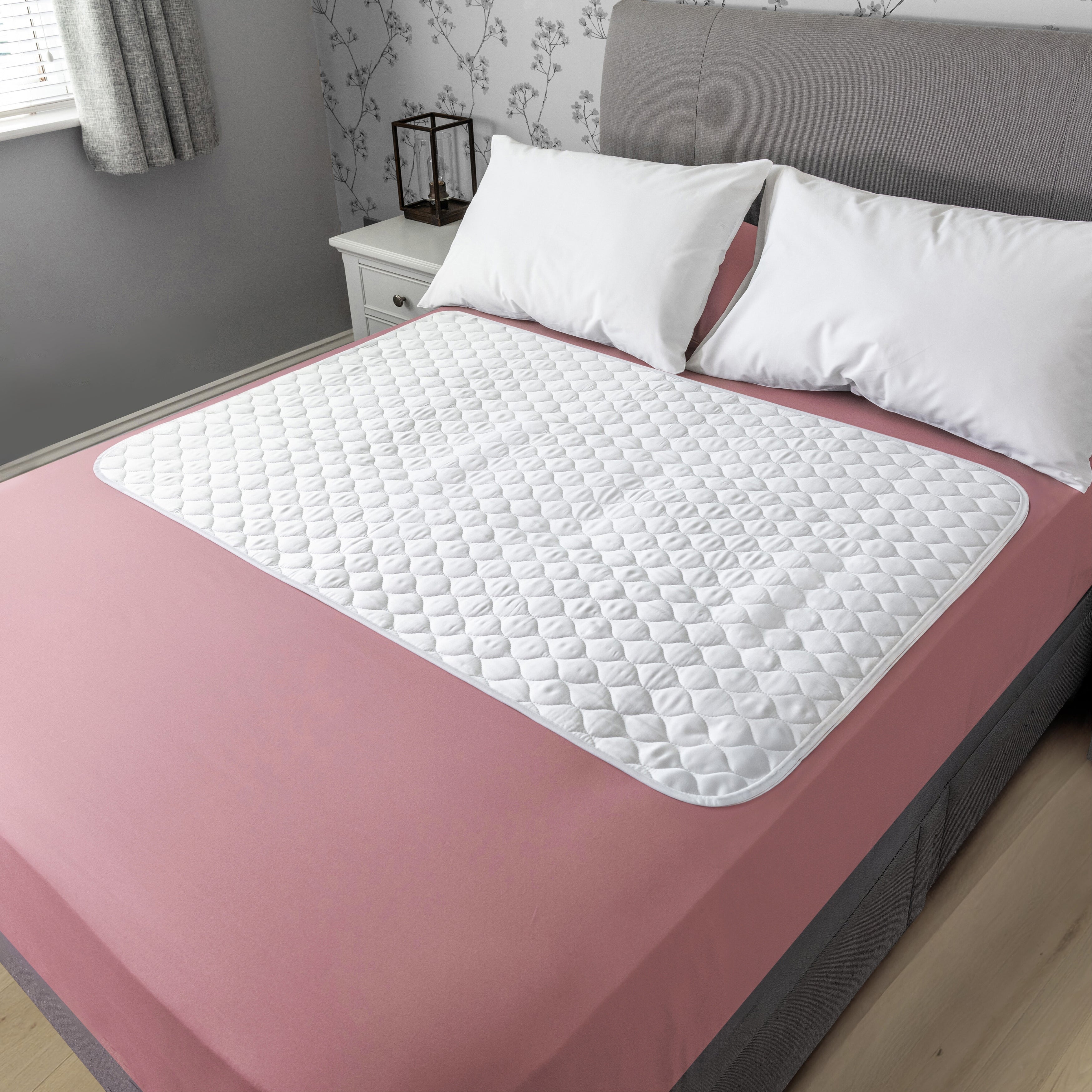
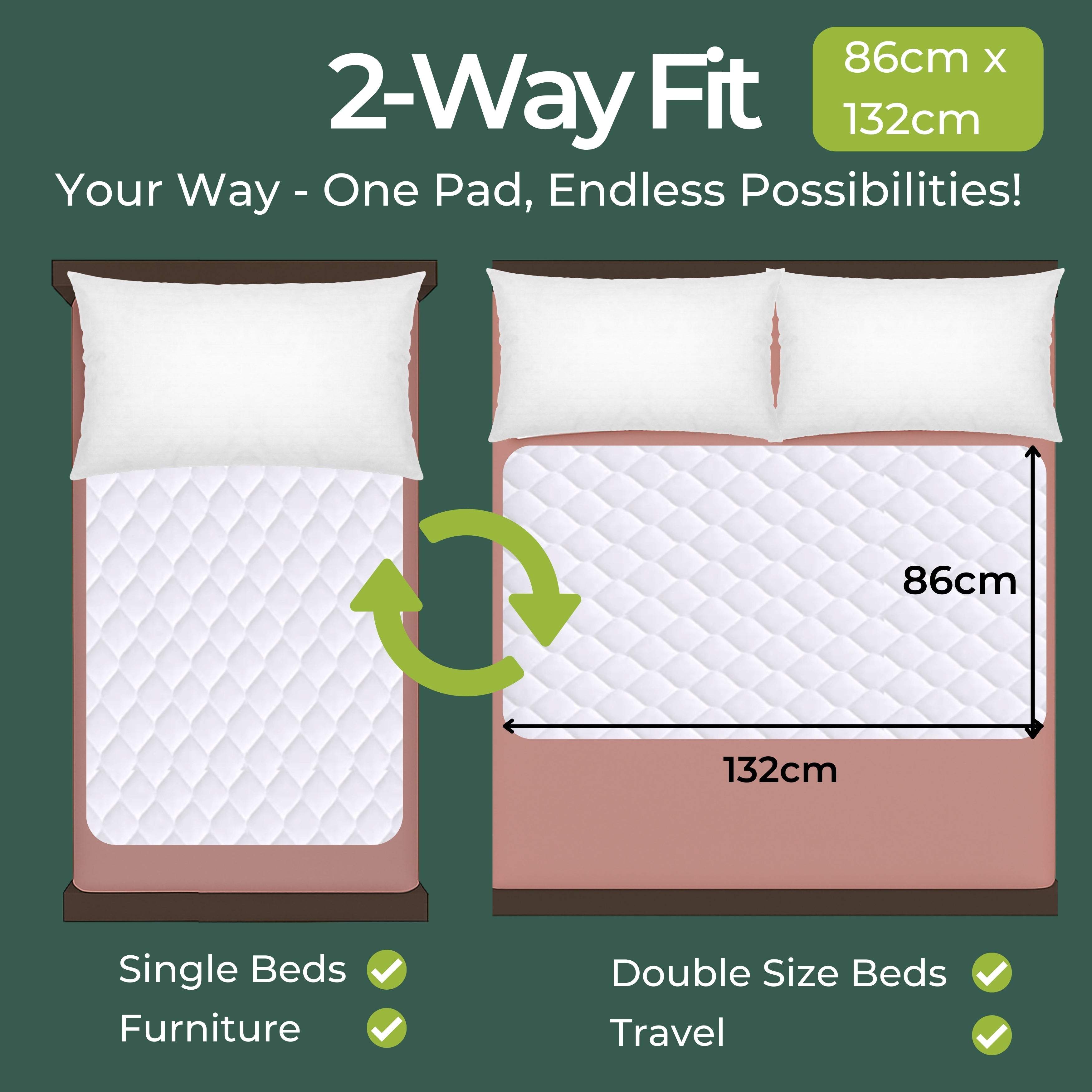
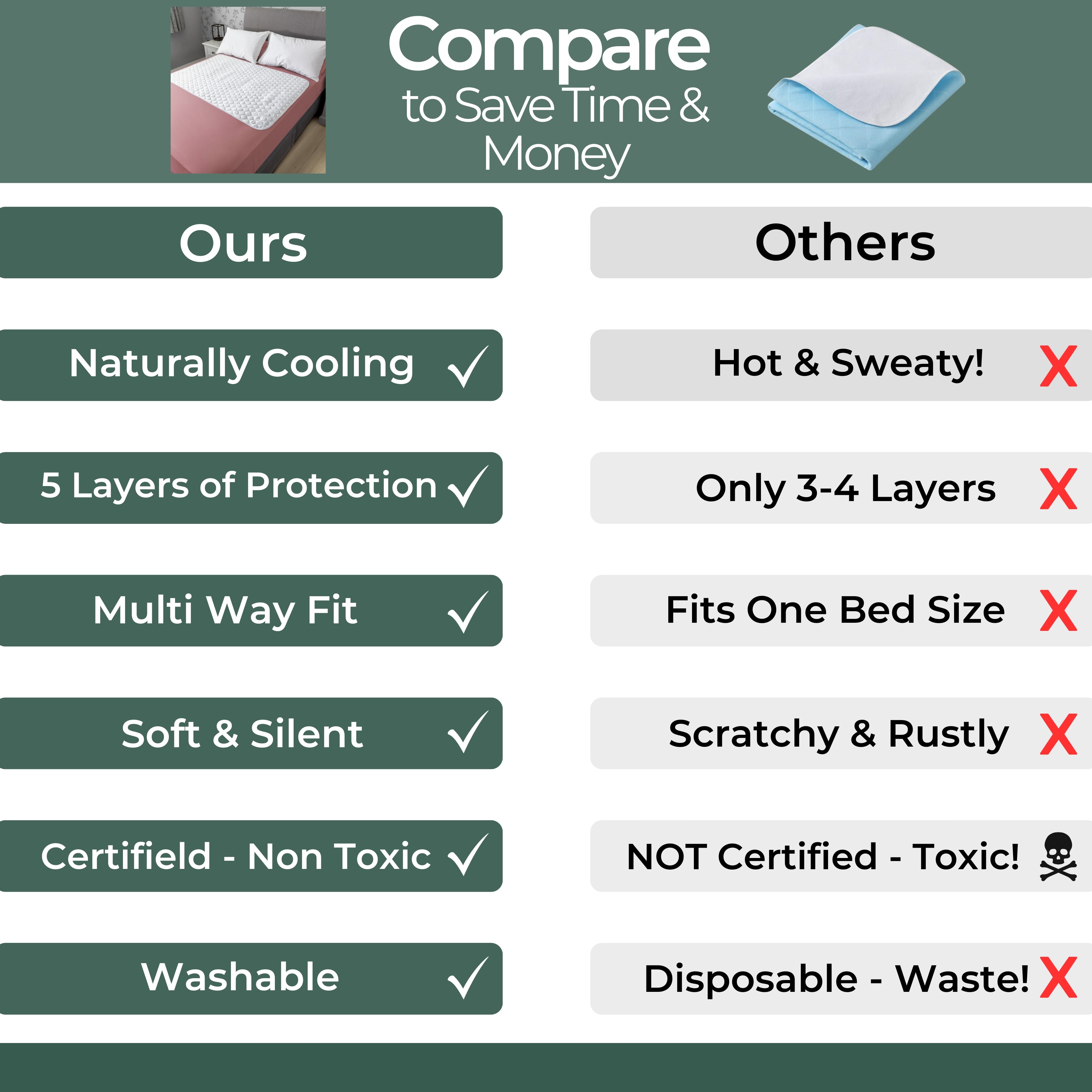
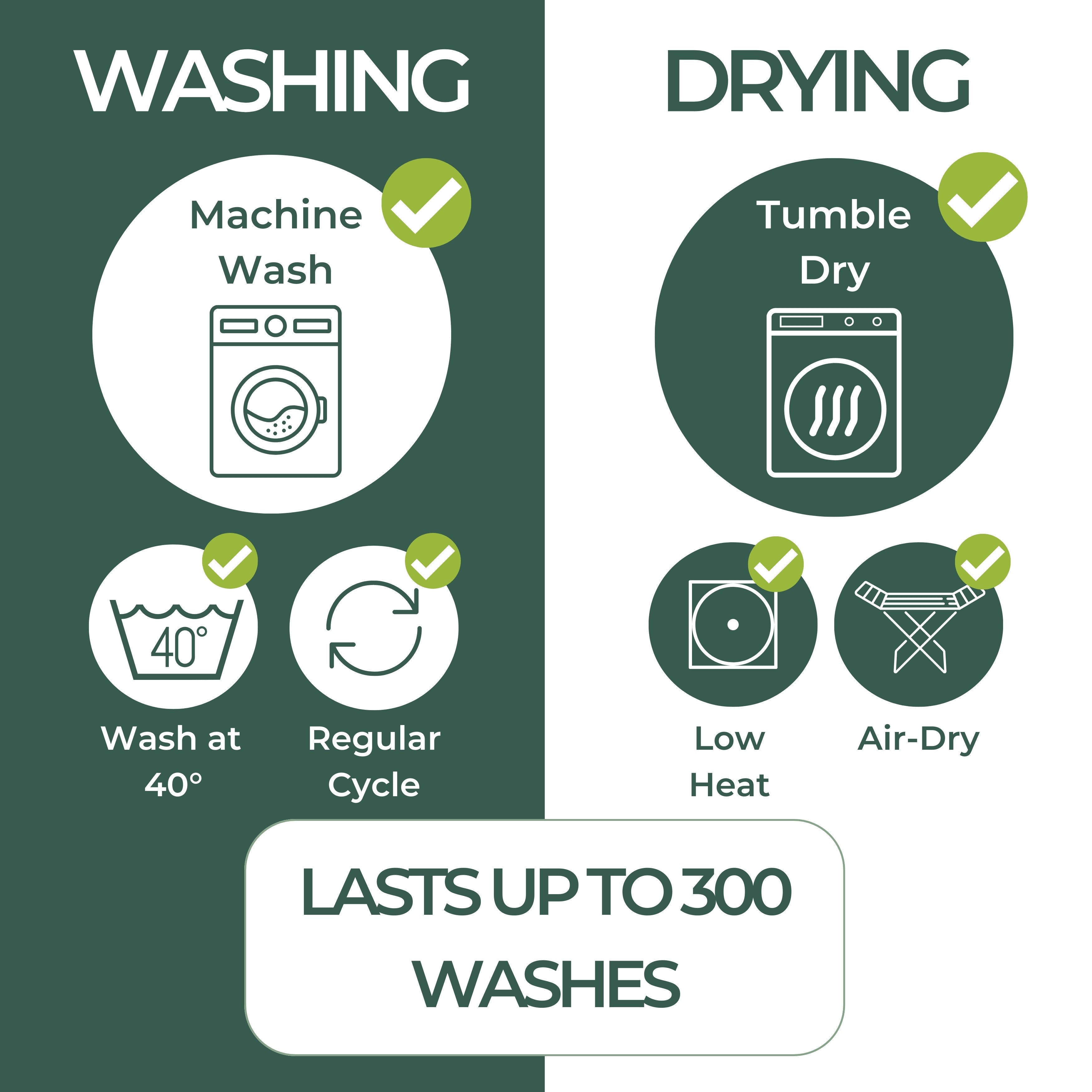
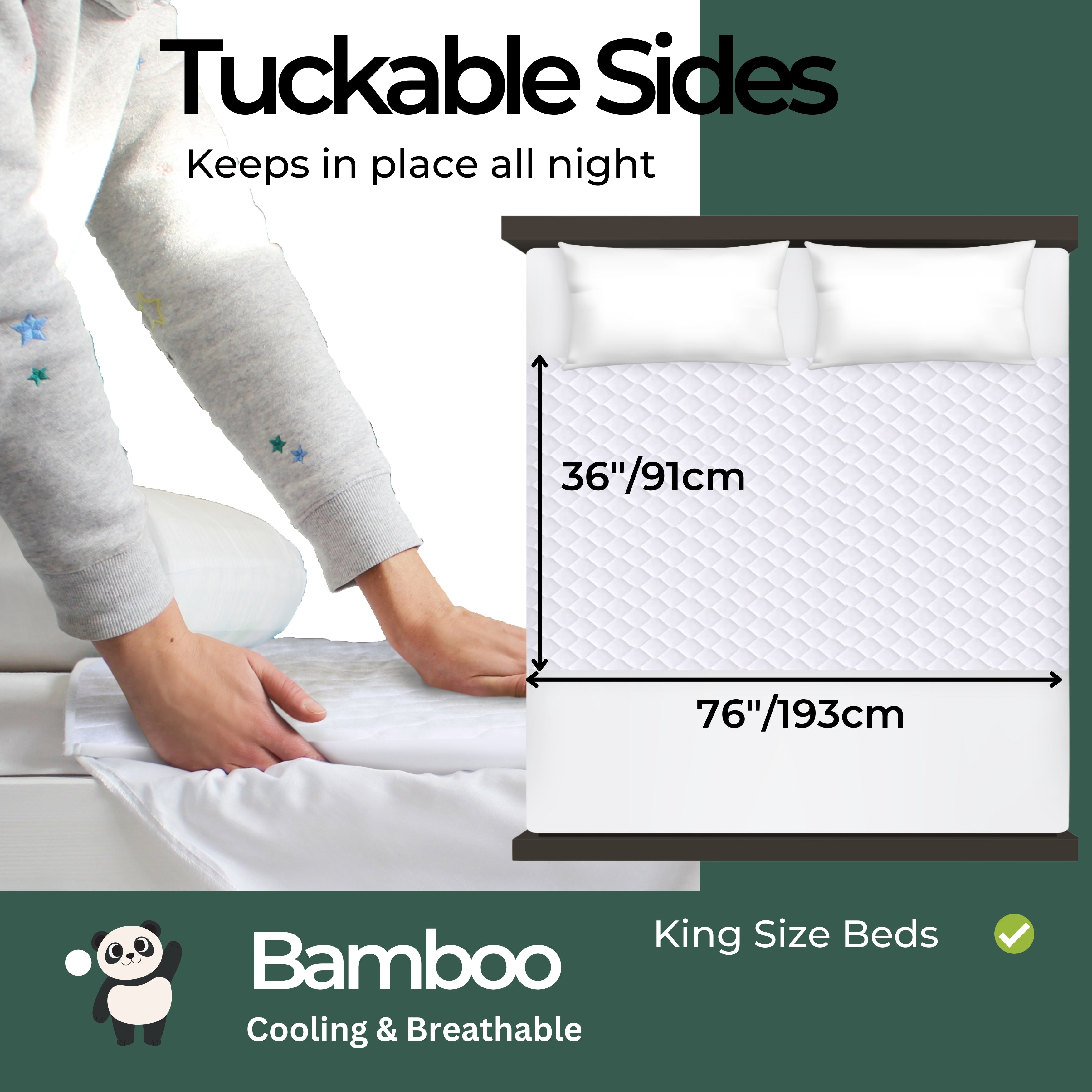
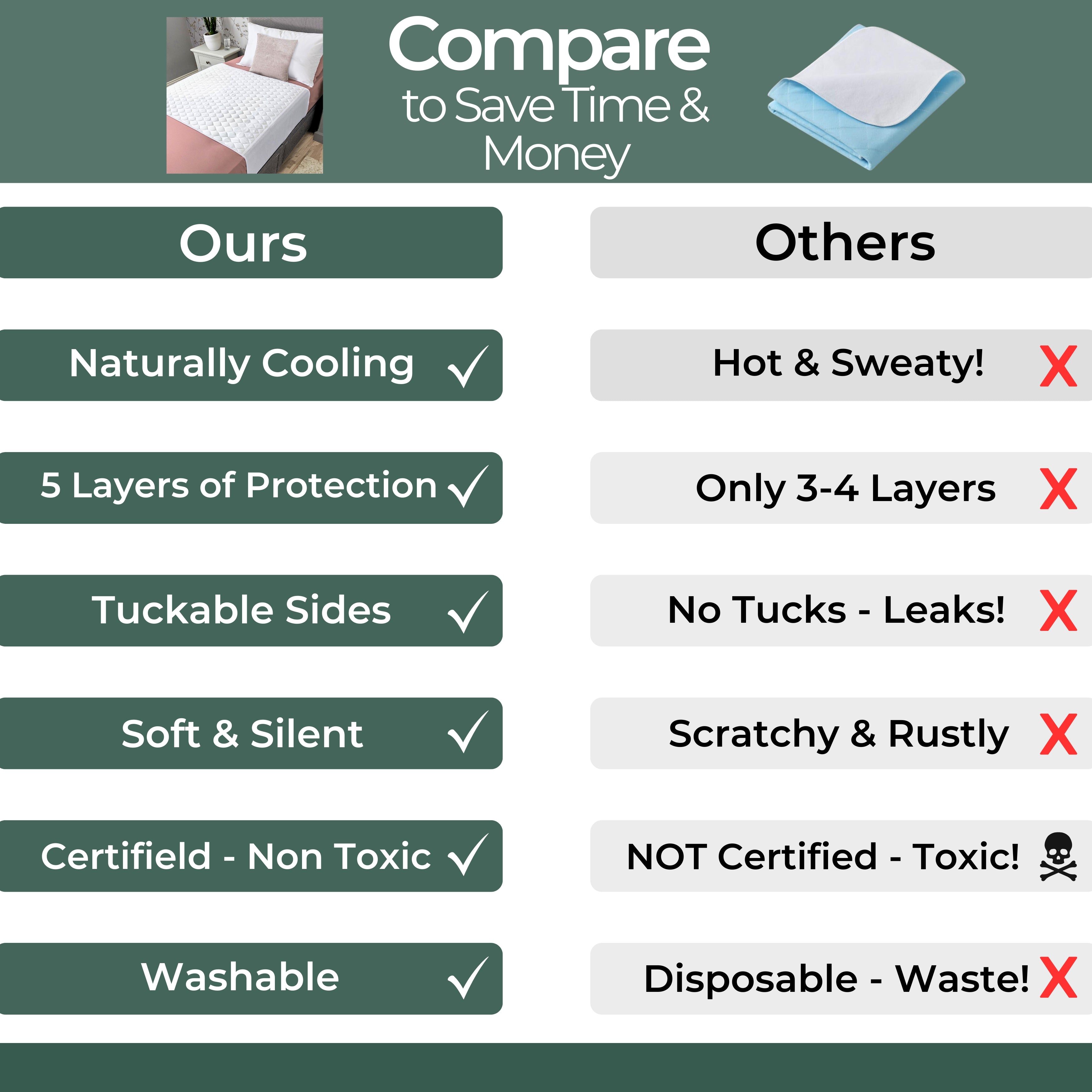
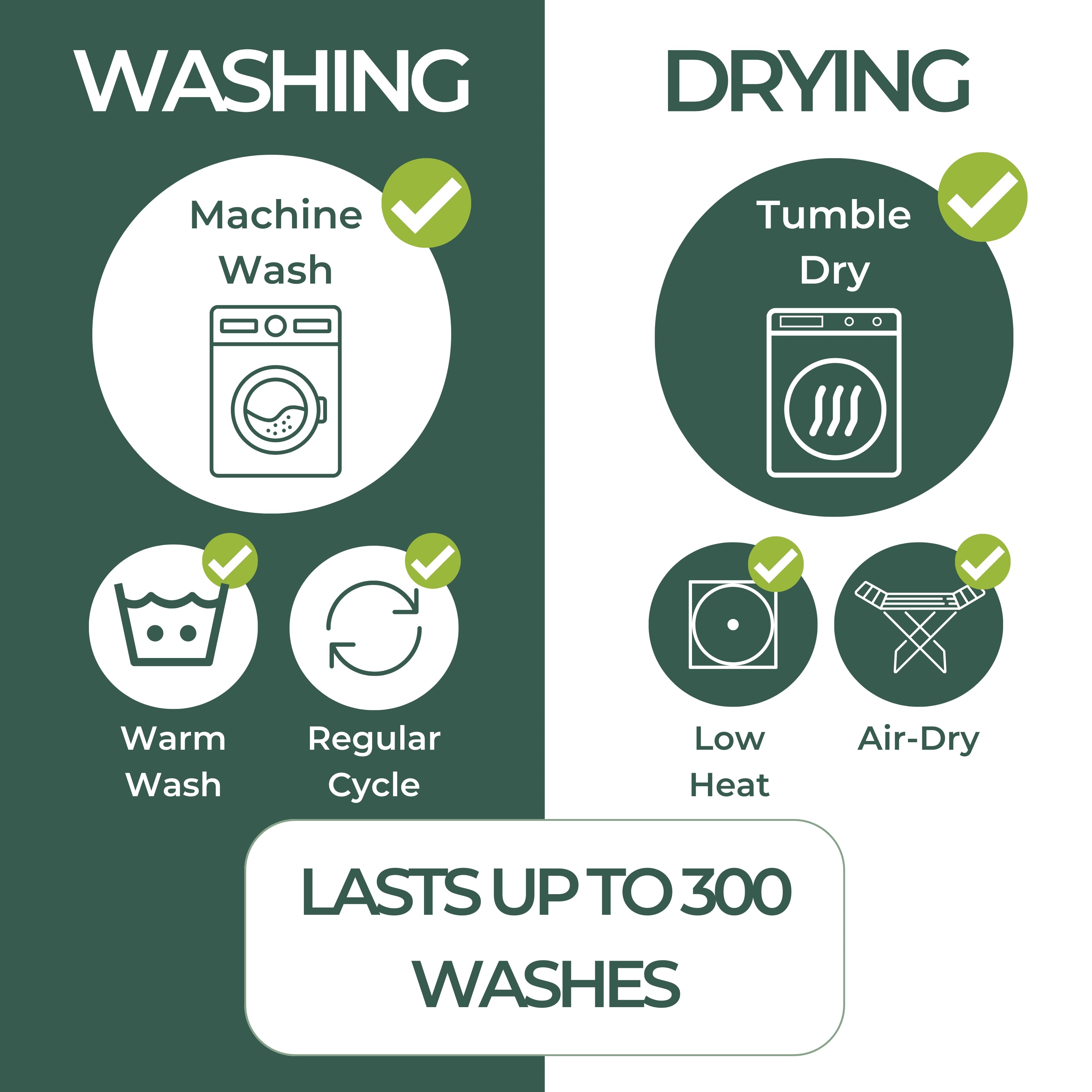
While muscle training and lifestyle choices help recovery over time, comfort and confidence tonight matter. That’s where we come in, our bamboo incontinence bed sheets are:
-
Soft and waterproof, so you and your skin stay comfortable
-
Easy to change, as they sit on top of your fitted sheet, meaning you only replace the mattress pad, not the whole bed
-
Available in a range of sizes
Perfect for post-surgery recovery, adult incontinence, or other medical needs to help reduce stress around nighttime accidents and improve sleep quality.
Adult bedwetting or incontinence after surgery can feel distressing but with the right information and supportive tools, you can manage it comfortably and confidently at home. For many people, symptoms improve gradually with pelvic floor exercise, lifestyle changes, and time. In the meantime, using practical waterproof bedding makes recovery more peaceful and less stressful.
If problems persist beyond a few weeks or you’re worried, always speak with your GP especially if other symptoms develop.