












Living with adult bedwetting, incontinence, or recovering from surgery can be challenging but keeping your memory foam mattress clean doesn’t have to be. Memory foam is extremely supportive and comfortable, yet its structure makes it especially vulnerable to absorbing moisture, which can lead to lasting odours, potential bacterial growth, and deterioration if not managed carefully.
How Common is Adult Bedwetting in the UK?
To understand why mattress care matters, it helps to appreciate how many people are affected. According to NHS England, around 14 million people in the UK live with some degree of urinary incontinence. Reflecting how widespread bladder control issues are and that many of those people may face the risk of nighttime leaks, including adult enuresis (bedwetting).
When it comes to older adults, the issue grows even more significant. A UK study of individuals aged 40 and over found that over a third (37.1%) had holding issues such as urgency, frequency, or incontinence that impacted their quality of life. For some, these symptoms may translate into leakage at night.
Specific to bedwetting, data from Bladder & Bowel UK shows that 1–2% of adults experience enuresis (urinary incontinence during sleep), a condition that can either persist from childhood or emerge later.
These aren't small, isolated figures. They represent millions of people for whom mattress care is not just practical but deeply linked to quality of life.
Why Memory Foam Deserves Special Attention
A memory foam mattress’ dense, contouring structure is part of its appeal. It molds to your body, absorbs pressure points, and provides excellent comfort. But that same density means liquids don’t simply roll off, they can linger. If an accident occurs, moisture is drawn deep into the foam, making it harder to remove and creating a risk of bacterial growth, mildew, or persistent odours.
Unlike spring mattresses, memory foam doesn’t “breathe out” moisture quickly. That’s why prompt, careful cleaning, and long drying times are essential if you want to protect both hygiene and the lifespan of the mattress.
What to Do Immediately After an Accident
When an accident happens, the first few moments are critical. Firstly, remove all the bedding so you can access the foam directly. Using clean, dry towels, press down on the affected area to absorb as much liquid as possible but avoid any rubbing, which can push moisture deeper into the foam.
Once the surface feels as dry as you can make it by blotting, it’s time to apply a very mild cleaner. For memory foam, less is more; using a soft cloth or sponge, apply a diluted solution (for example, a few drops of dish soap in warm water) very gently. If there’s a lingering smell, a lightly misted, diluted vinegar solution can help to neutralise it, though only a small amount should be applied to avoid saturating the foam. Further advice and guidance can be found here from Bensons for Beds.
Odour Control and Drying
After cleaning, odour remains a priority. Baking soda is a reliable ally, lightly dust the cleaned area with bicarbonate of soda and leave it to sit for several hours, ideally overnight if possible. The powder draws out both residual moisture and odorous compounds. Once it’s done its work, vacuum it thoroughly using an upholstery attachment.
The drying phase is absolutely vital. Memory foam should never be exposed to high heat like a hairdryer on full blast or prolonged direct sunlight. Heat can damage and warp the foam. Instead, place the mattress in a well-ventilated room with good airflow, perhaps with a fan, and allow it to air dry naturally. Only once the foam is completely dry should you replace your bedding.
Long-Term Protection
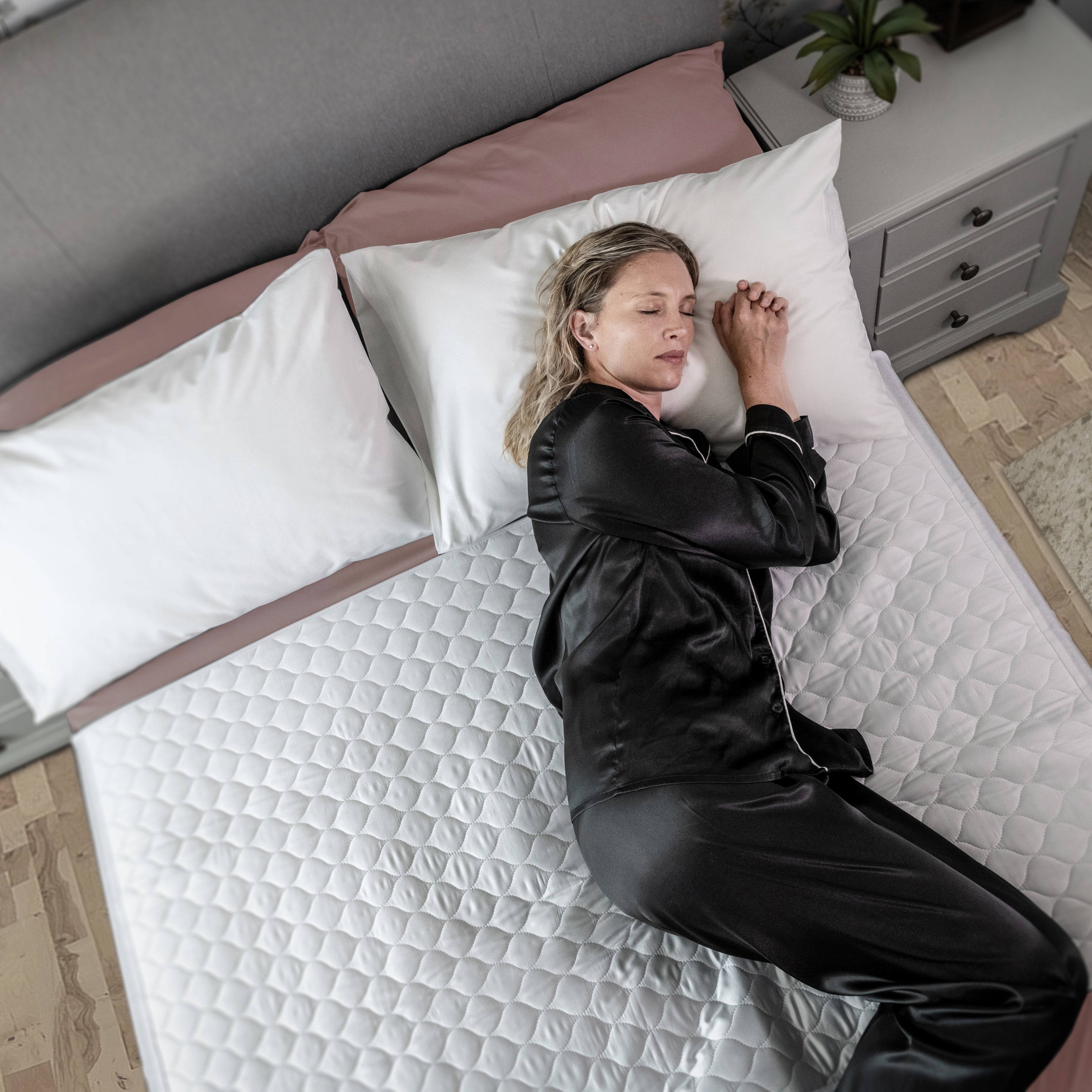
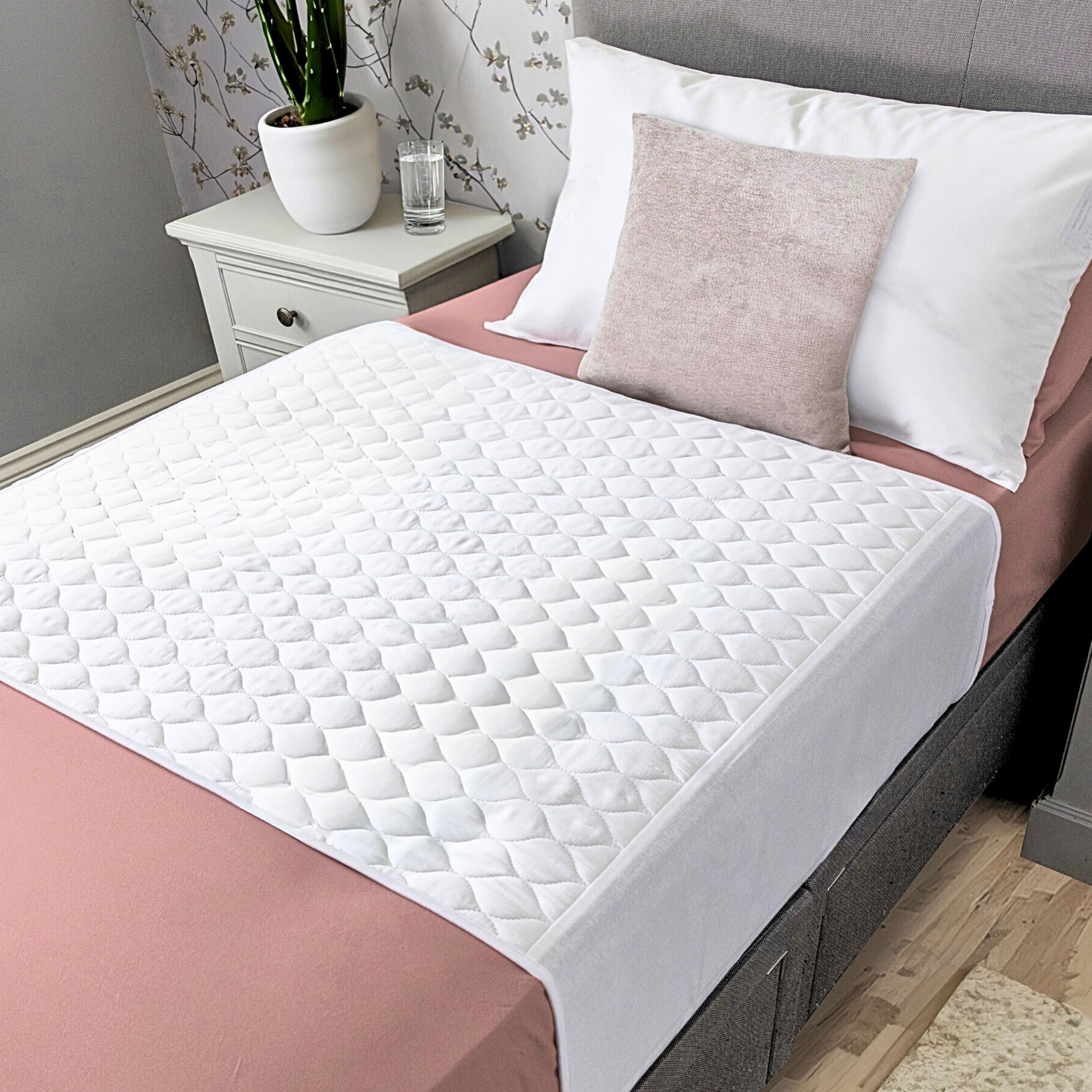
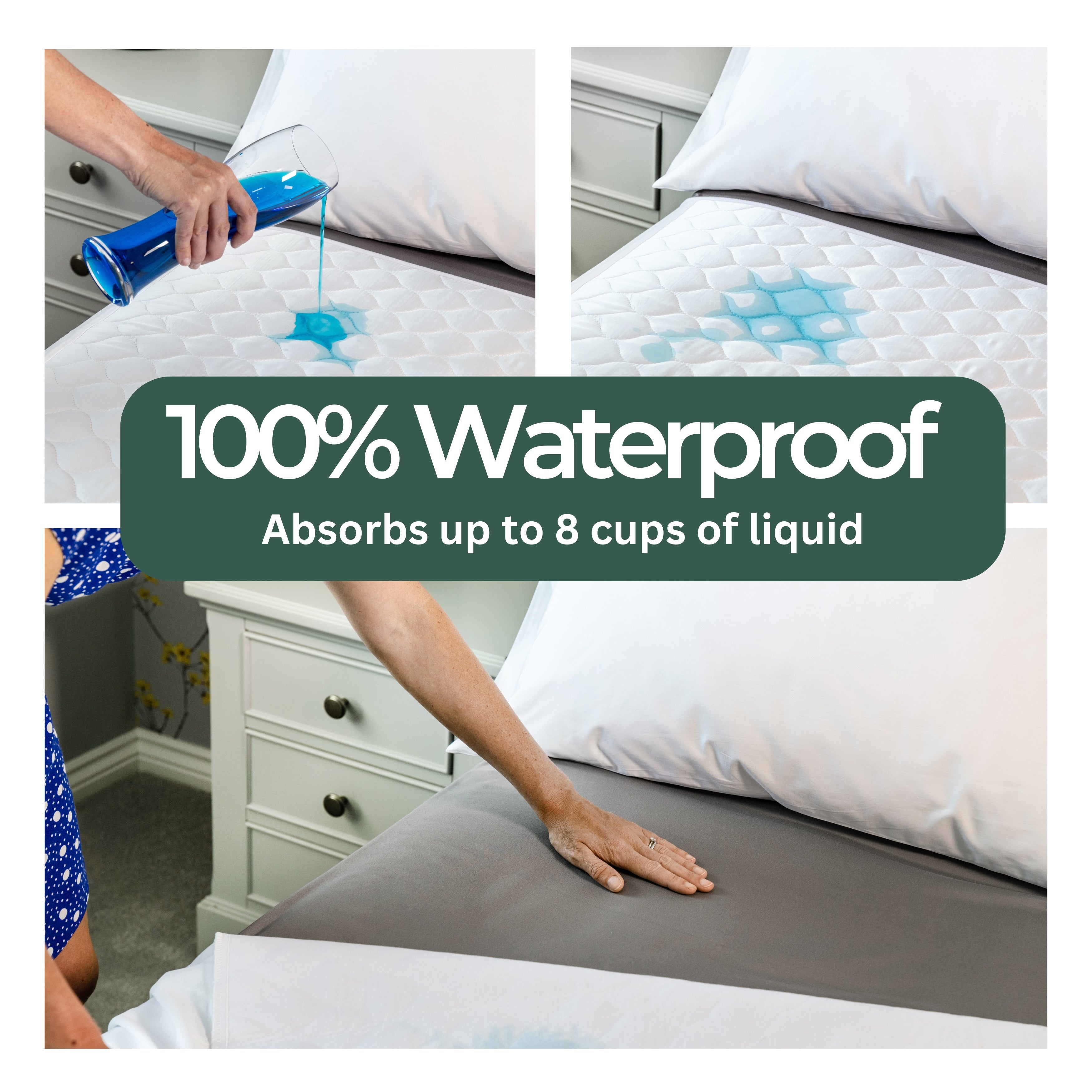
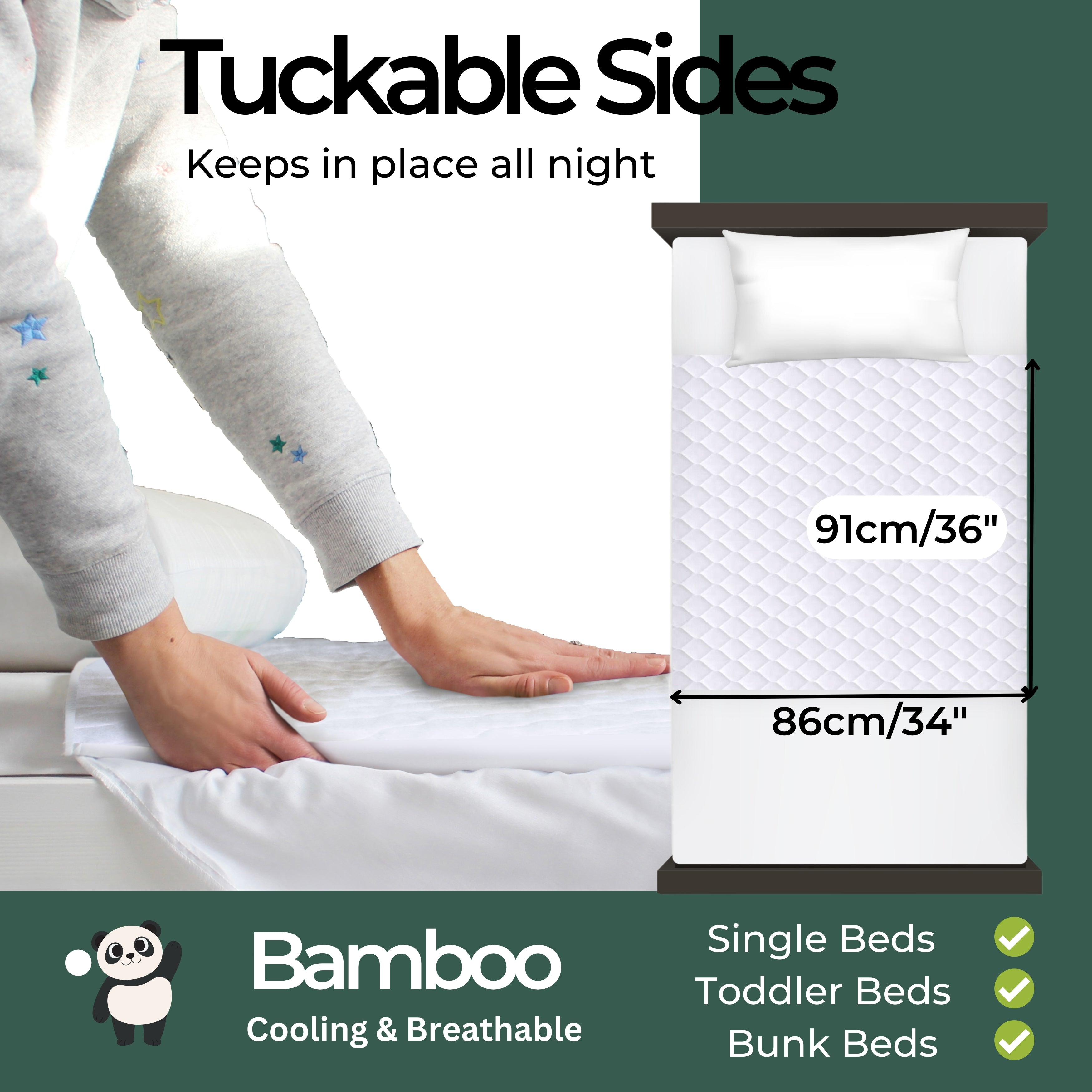
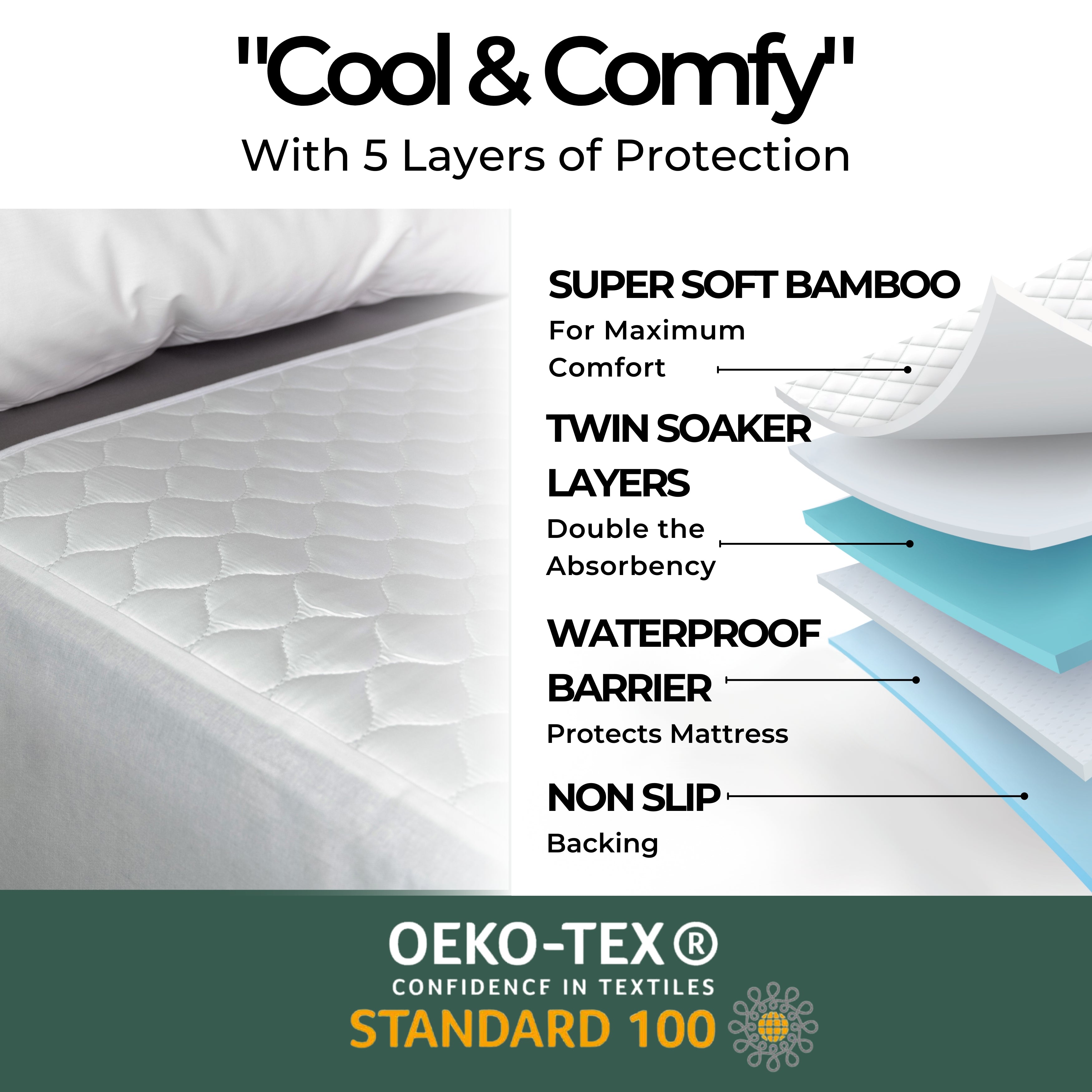
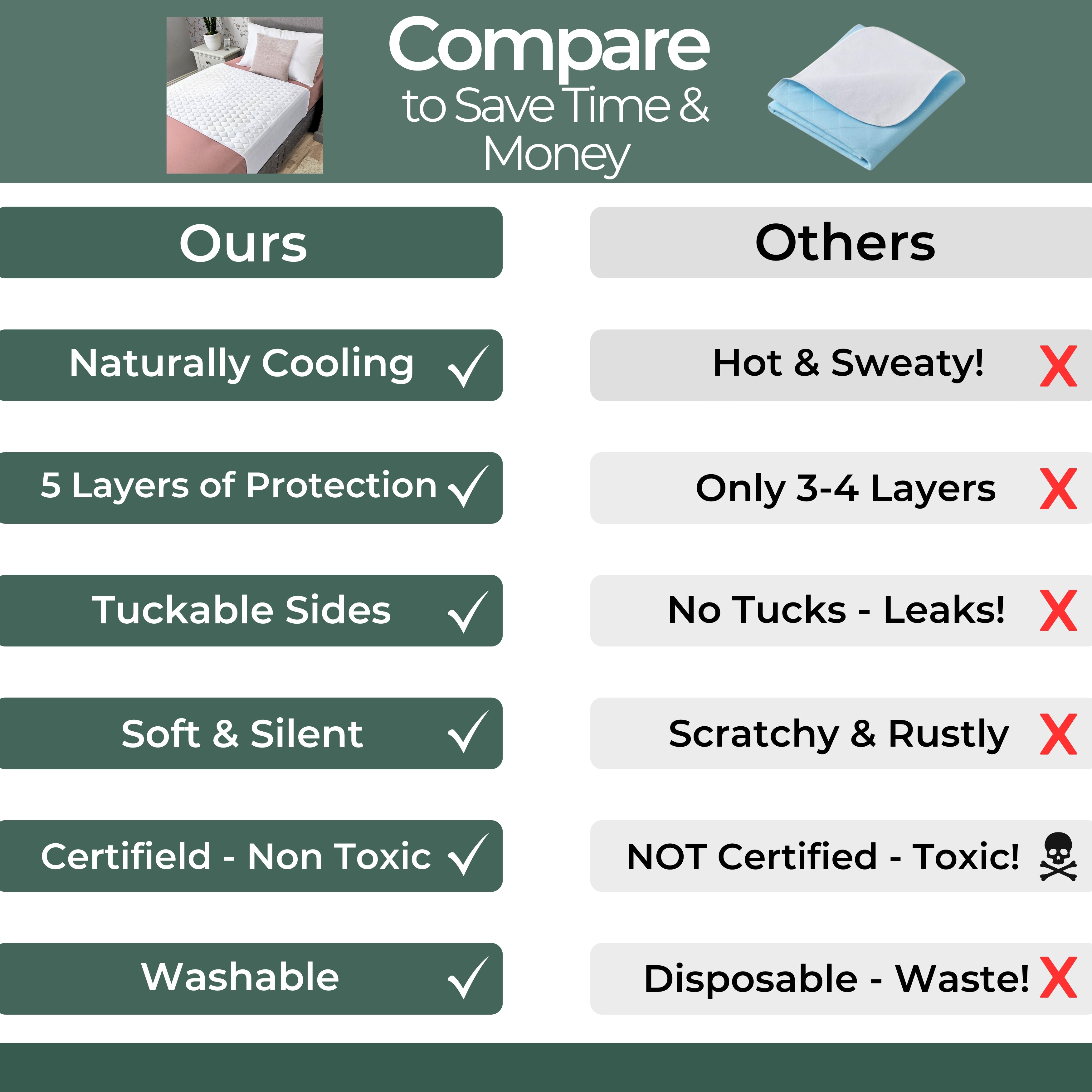
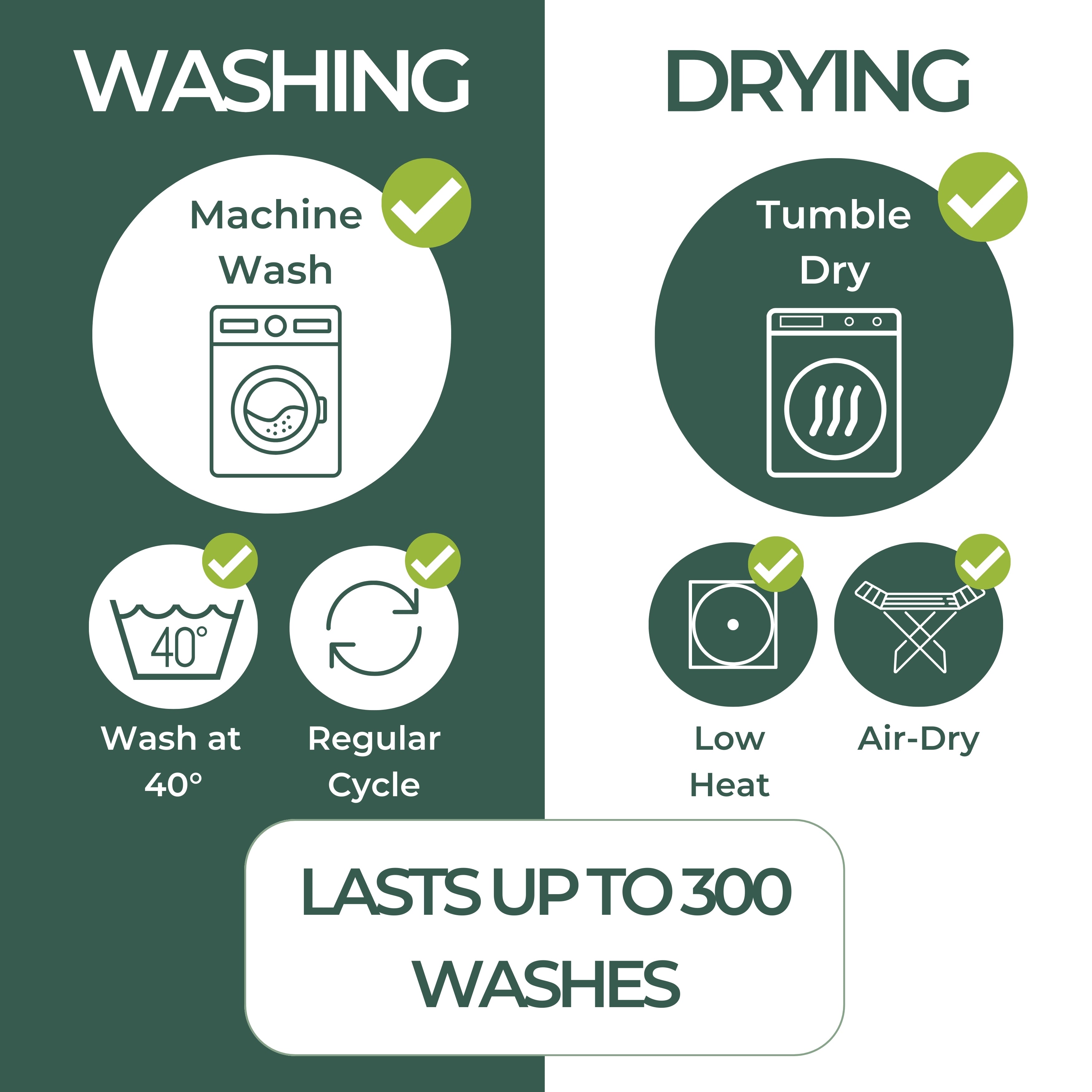
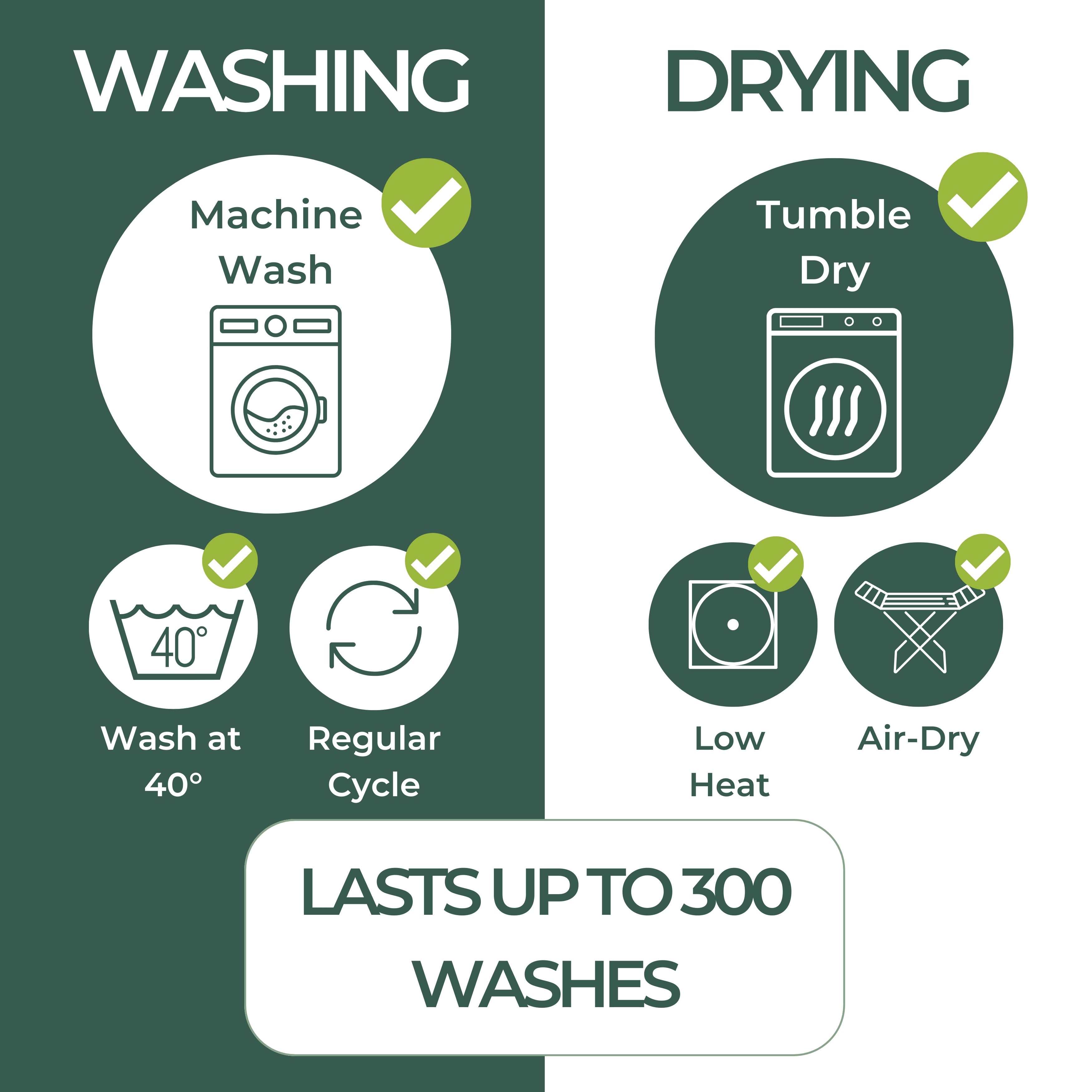
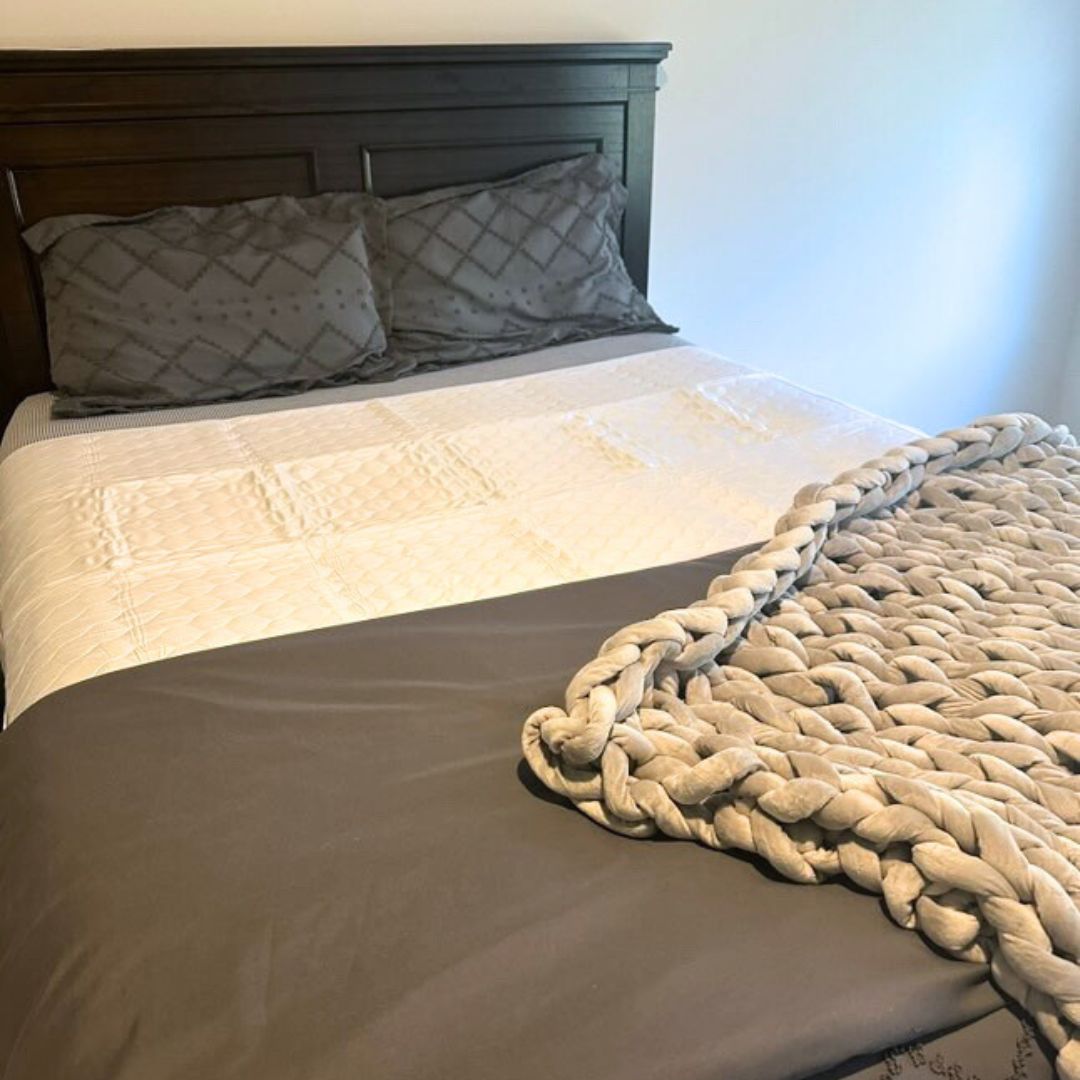
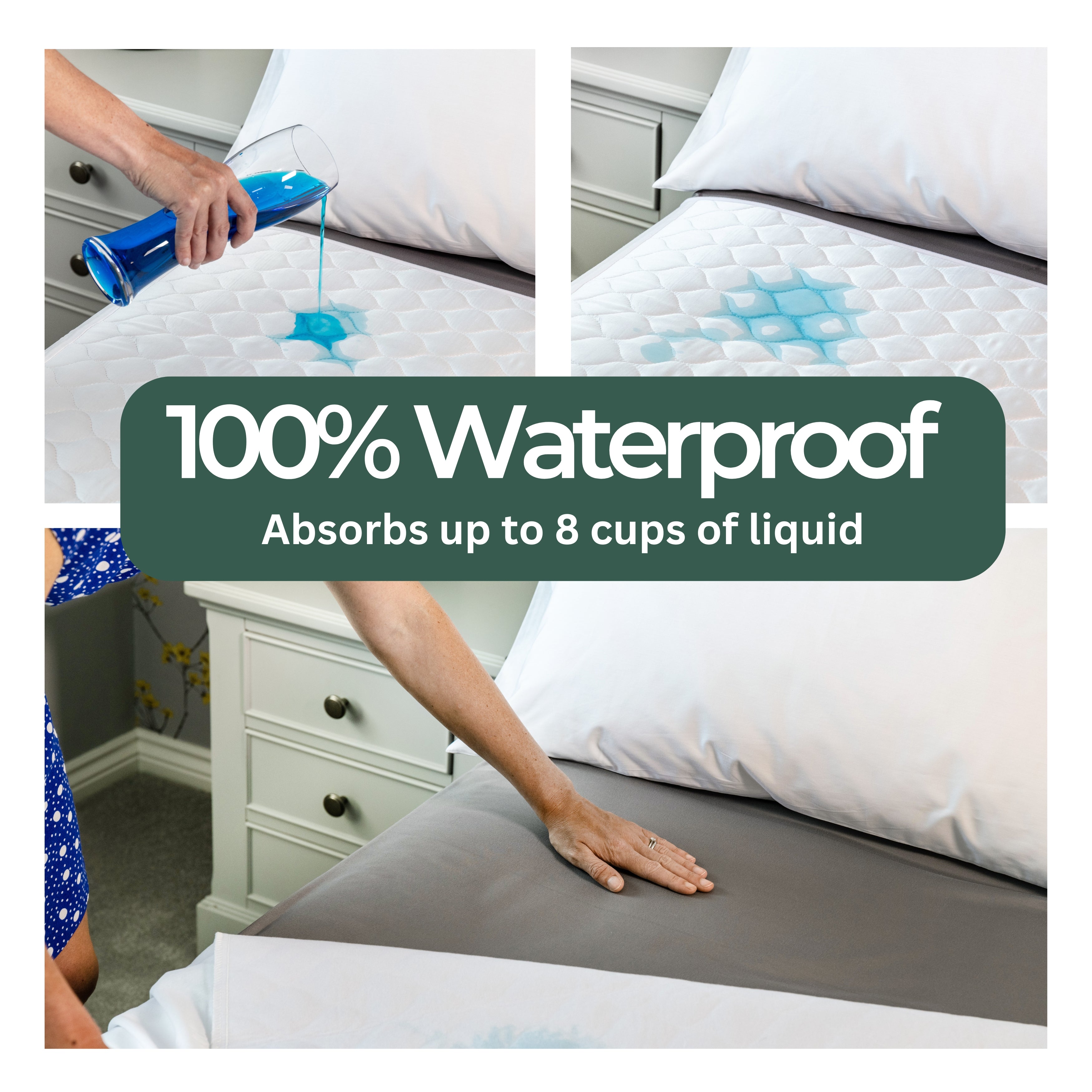
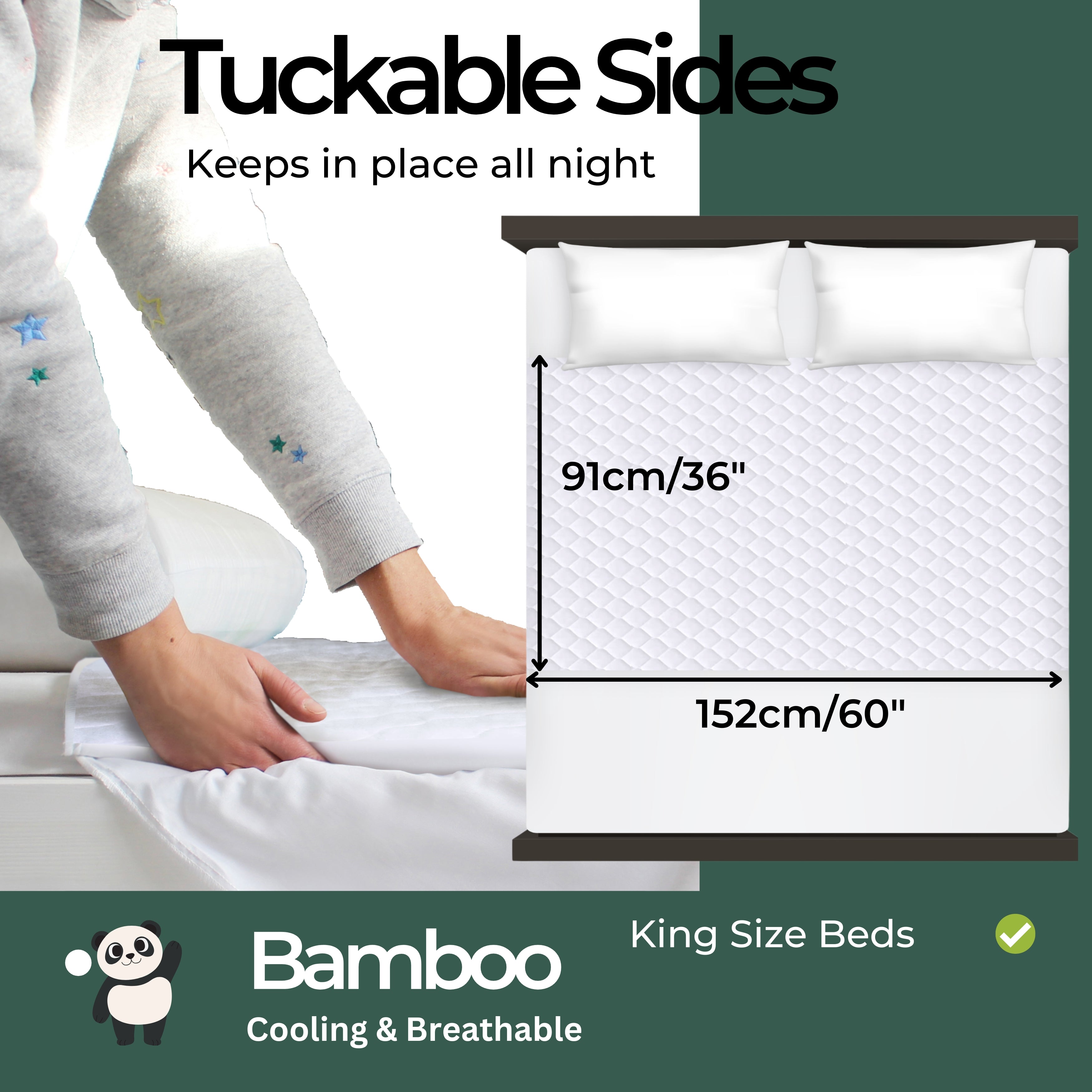
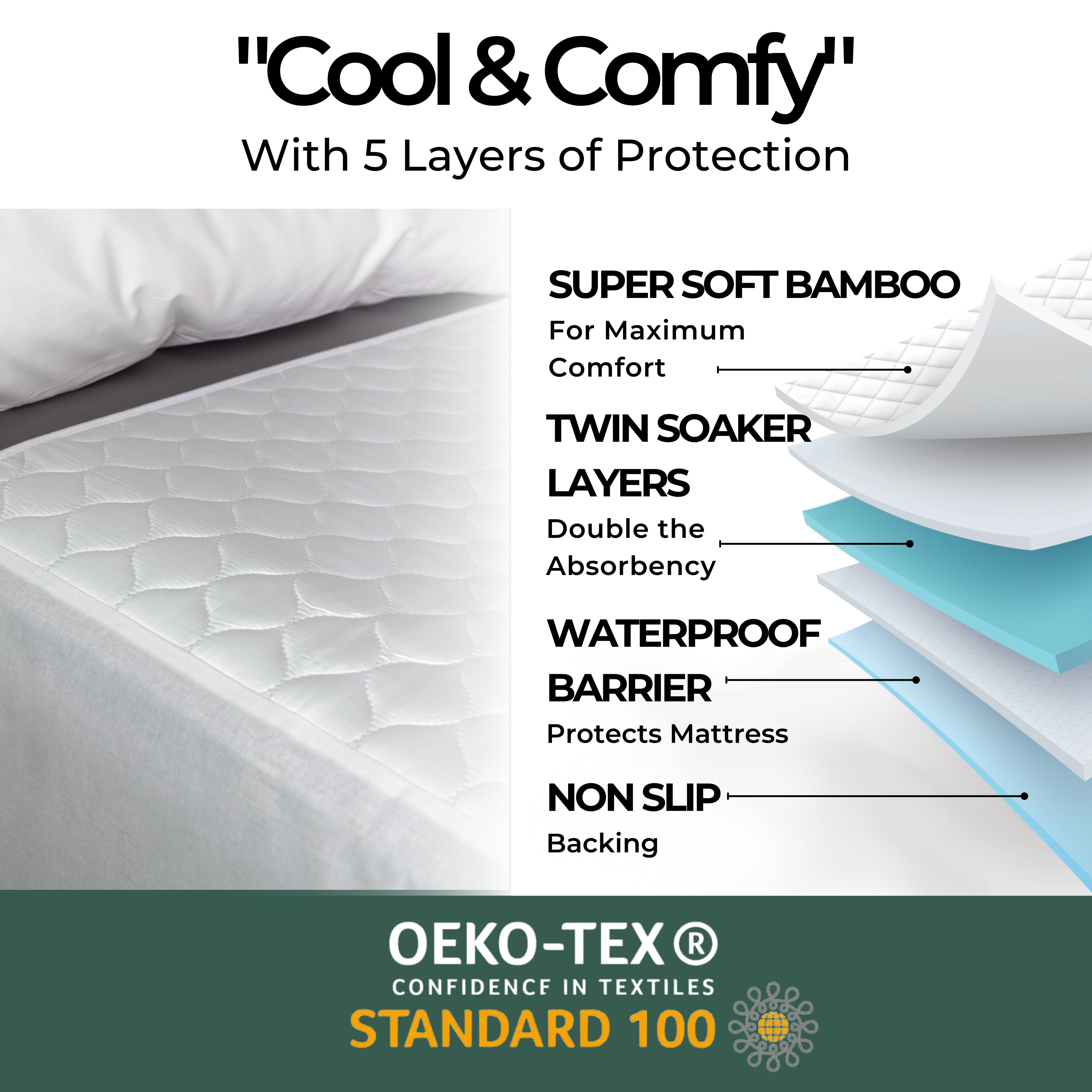
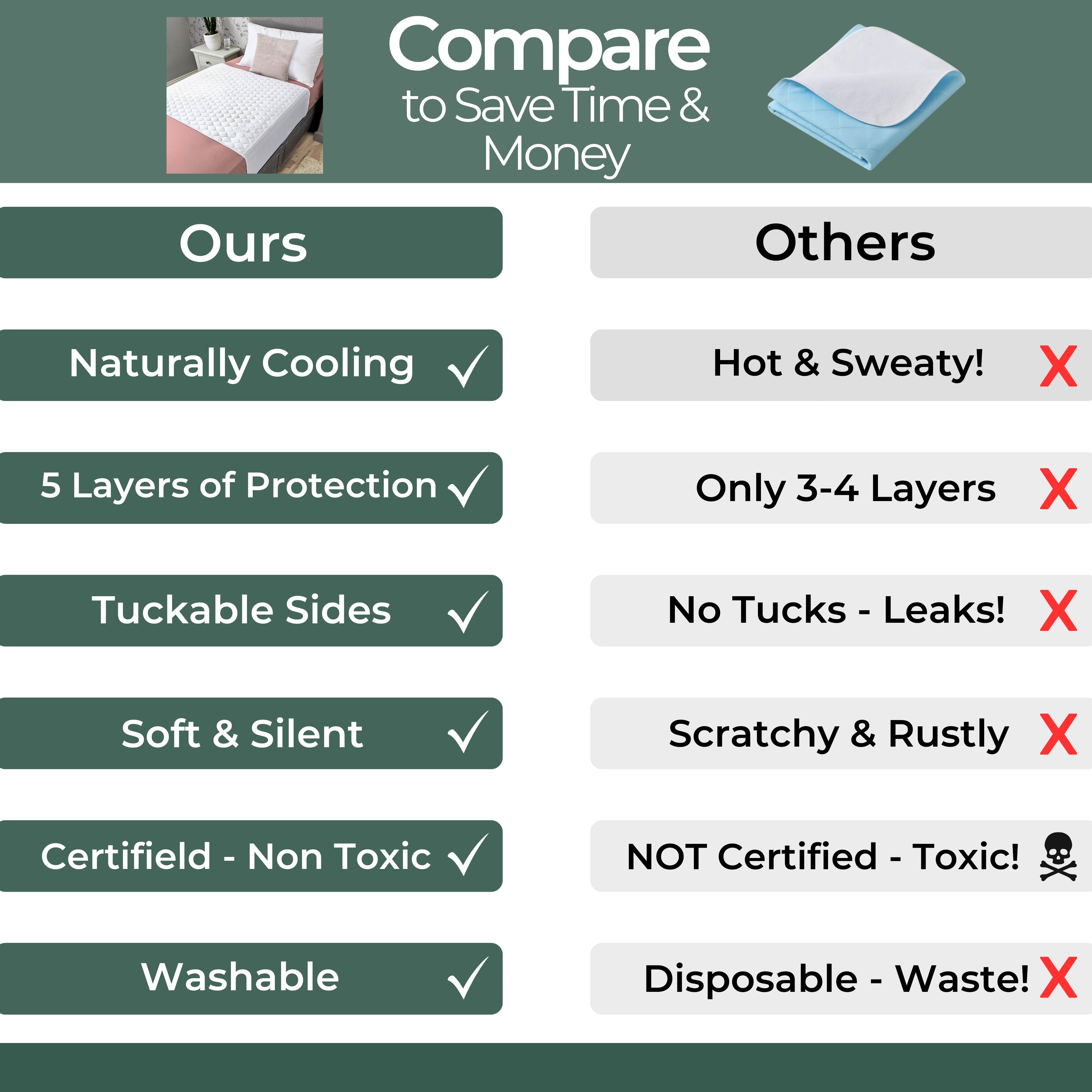
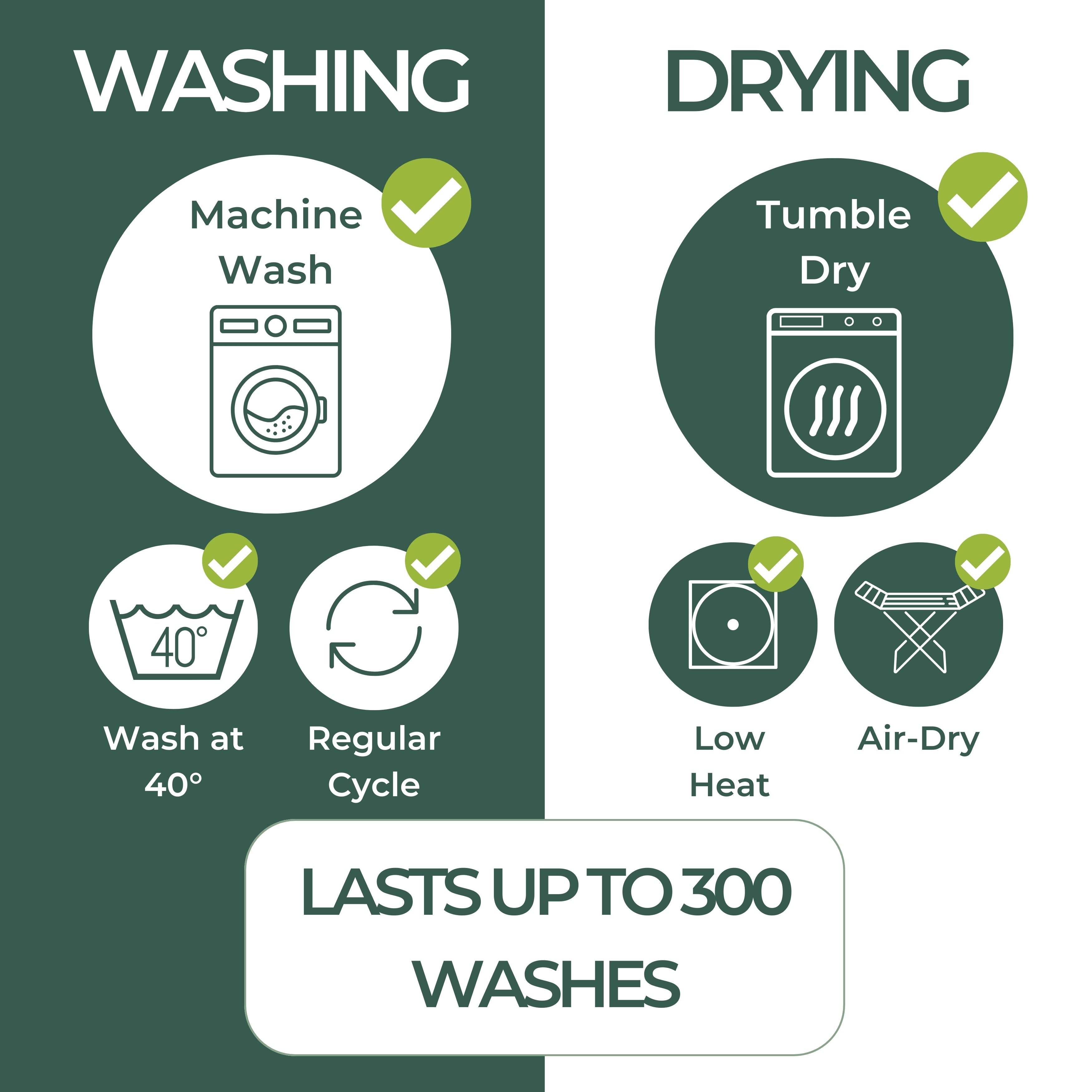
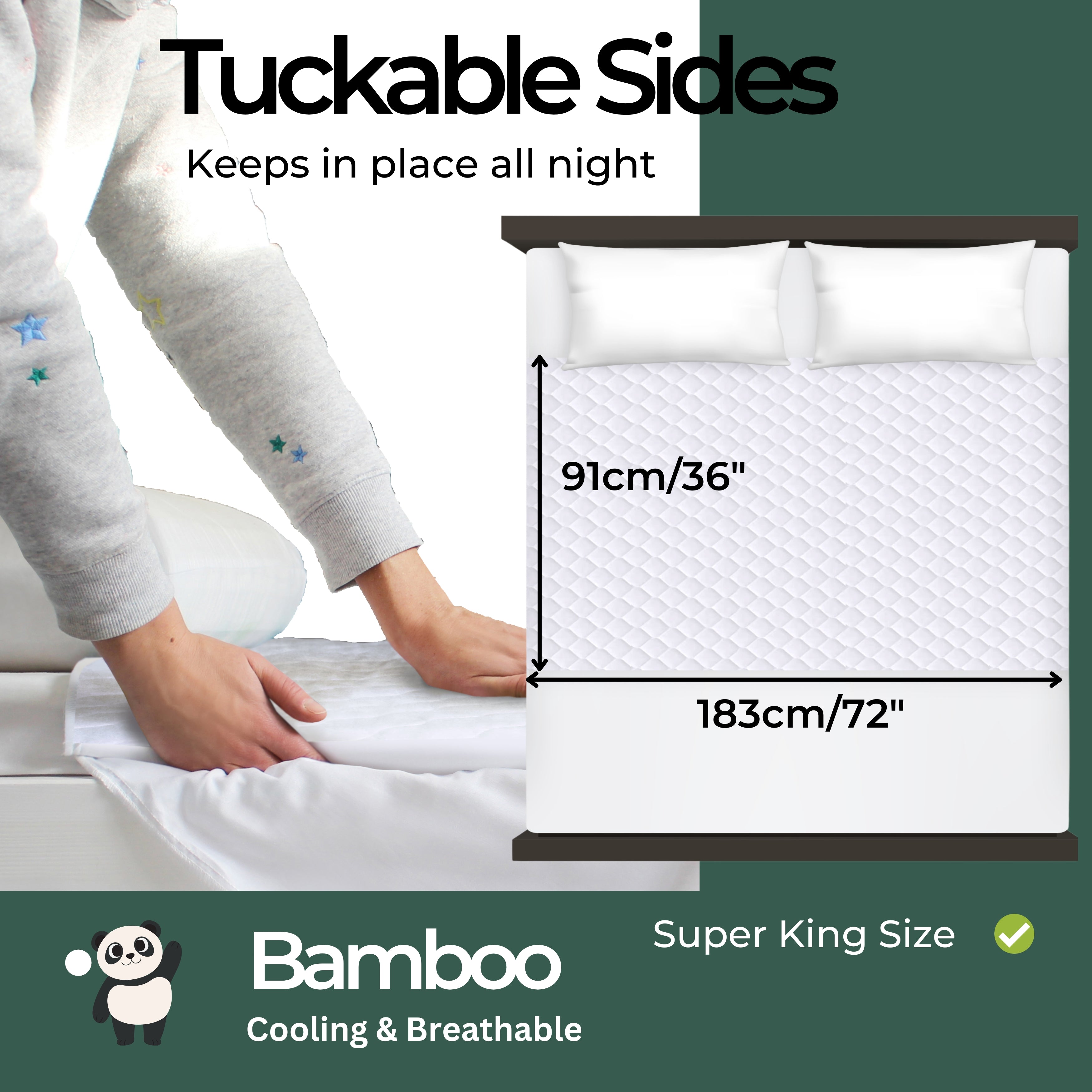
Prevention is always better than cure. A high-quality, waterproof mattress protector is your most effective line of defence. This is where we come in, our incontinence friendly protectors are designed specifically to guard memory foam mattresses against overnight leaks, while staying breathable, comfortable, and easy to care for.
By using one of these waterproof protectors, you significantly reduce the risk that accidents will reach your mattress surface. Making any future washing quicker, more effective, and less stressful. Over time, this not only helps preserve the hygiene and comfort of your mattress, but also prolongs its lifespan.
Why This Matters
Caring properly for a memory foam mattress when adult bedwetting is part of your life is not a matter of vanity, it's about dignity, health, and peace of mind. Left unaddressed, moisture can encourage bacteria, mildew, or allergens that may affect your wellbeing. But with a prompt cleaning process and use of a mattress protector for future accidents you can maintain a safe, clean, and comfortable sleeping environment.
Using Hygge Sheets’ waterproof, incontinence-safe protectors helps you build that secure foundation. Not only do they shield the mattress, but they also offer the kind of reassurance that makes accidents less stressful.
