























Over the past few weeks, I’ve been reflecting on the new UK potty training guidance released by Institute of Health Visiting and ERIC charity, so I can share an accurate, parent friendly update with you all. Although it can feel like advice in our daily lives is always changing, I believe this update is genuinely a step forward and one that can also make a real difference to bedwetting too. Because I always want to make sure the information I share is reliable, I checked everything in this post with potty learning expert Rebecca Mottram. Rebecca is incredible in this field and her book Positively Potty is a must-read for anyone navigating potty training.
Start Early
One of the biggest shifts in the new guidance is the encouragement to start toilet training earlier. Research shows that beginning earlier supports healthy bladder and bowel development. Modern nappies keep children so dry that many toddlers don’t feel wetness, and therefore never show the classic “readiness” cues. Some children may not show signs at all, meaning waiting for clear signals can actually delay learning.
When To Start
Experts now say:
-
Most children can begin independently learning to use the potty between 18 - 30 months.
-
You can lay the foundations even earlier..
-
There are no lower age limits for beginning gentle potty training.
Starting much after 2 1⁄2 - 3 years old may make it harder and is linked with a higher risk of bladder and bowel issues including constipation and withholding. And of course, using nappies for longer has an environmental impact too.
Old VS New Advice
For years, parents have been told to “wait for the signs”. But the updated guidance moves away from being entirely child-led. Because nappies mask wetness so well, many parents never see the traditional cues like discomfort when wet or asking to be changed. The new approach recognises this and empowers parents to take a more proactive, supportive role.
Night Time Dryness
Here’s something reassuring, being dry at night is a completely separate developmental milestone to daytime potty training. But night time dryness does follow on from daytime and some kids do stay dry all night soon after they're toilet trained in the day. However, many perfectly normal children still wet at night by 5 years old, at that stage, an assessment is recommended. Night time wetting can often be a learned behaviour and there are things that can be done to help.
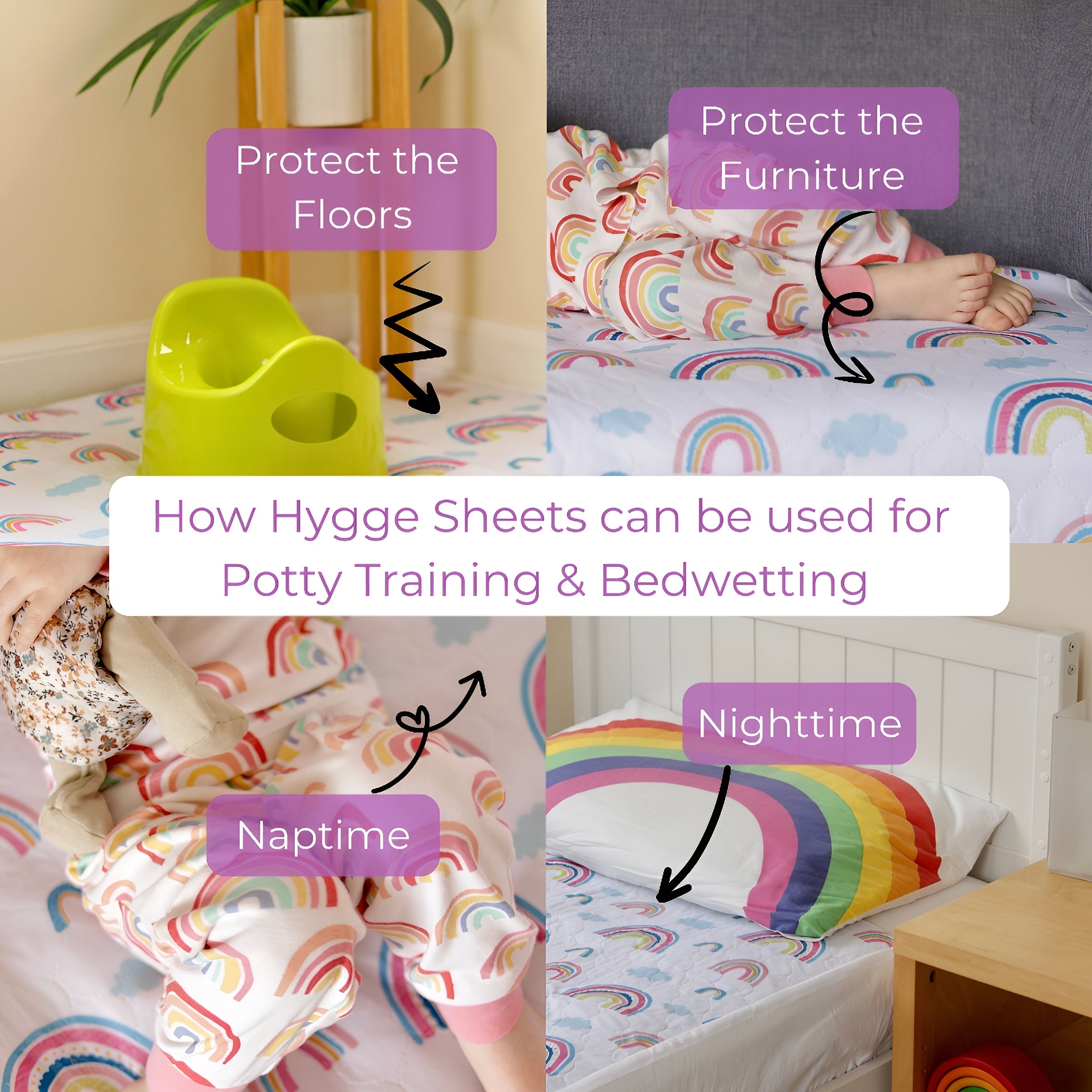
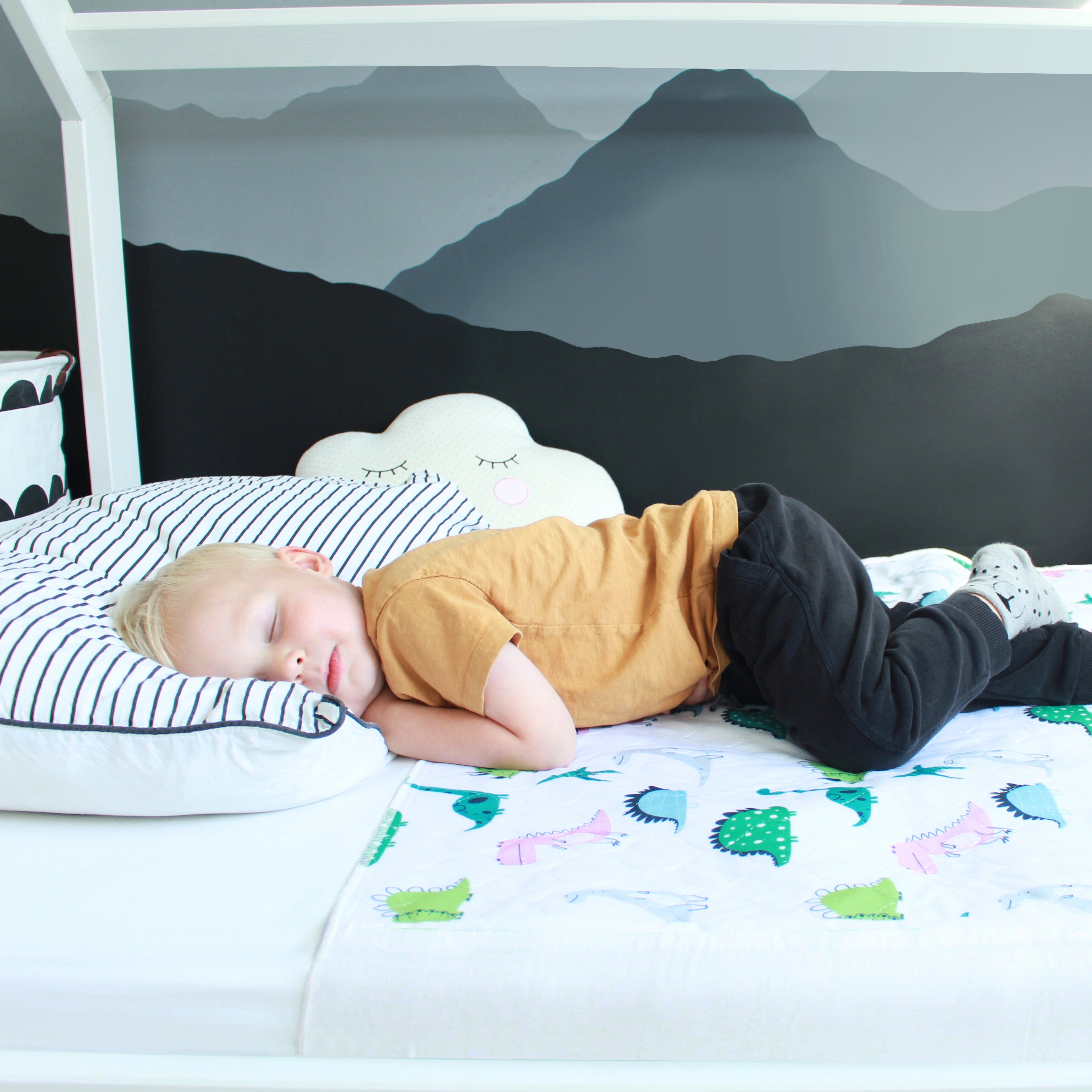
If bedwetting happens along the way, which is completely normal, having a waterproof, washable layer on the bed can make nighttime changes much calmer and quicker. Many families find that using a waterproof sheet removes a lot of the stress during this stage.
Bladder & Bowel Health
Early potty training may have other side benefits, it encourages healthy bowel and bladder patterns. This matters because constipation is a major cause of bedwetting. Hard poo can press against the bladder at night, making wetting more likely. By getting children used to using the toilet earlier and by keeping an eye on their poo routine you can spot constipation or bladder habits before they become bigger issues.
Earlier Awareness of Body Cues
Beginning potty training at a younger age helps children develop awareness of their bodily signals sooner.
This can support night time dryness because:
-
Using the potty before bed becomes part of the routine early on.
-
Children learn to empty their bladder fully at bedtime.
-
Some even begin waking in the night when they need a wee.
-
And importantly, early training helps them recognise what a full bladder feels like, a key skill for staying dry overnight.
If you’d like to read the full guidance, you can find the link here. All facts in this post have been checked by Potty Learning Expert and Children’s Nurse Rebecca Mottram. If you have questions about daytime, nighttime, or anything in between contact us today or follow our Instagram page, we’re always here to help!
